Why Moss Is Growing in Your Grass and When to Keep It Instead
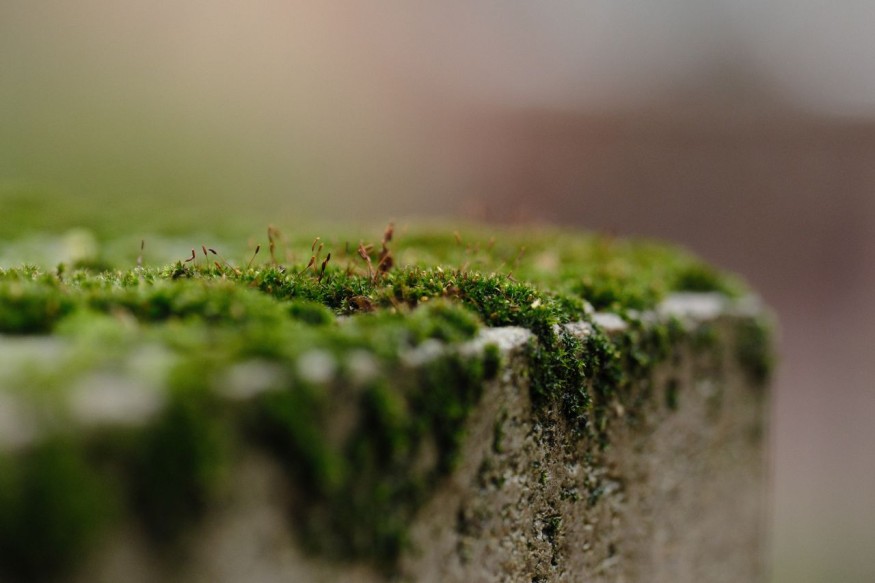
A lawn that once looked thick and green can gradually develop soft, velvety patches of moss, particularly beneath trees, along shaded borders, or in areas that remain damp after rainfall. Although the change may appear to be a simple landscaping problem, moss growth often reveals something important about the conditions beneath the grass.
Moss is not usually the cause of a lawn's decline. Instead, it tends to establish itself where grass is already struggling because of shade, compacted soil, poor drainage, low fertility, or unsuitable soil conditions. Understanding which factor is responsible is the first step toward restoring the lawn or deciding whether a different ground cover would work better.
According to Clemson Cooperative Extension, moss does not directly kill grass. It fills the spaces where turf has thinned or failed to grow, taking advantage of conditions that are less favorable for grass.
What Moss in a Lawn Can Tell Homeowners
Moss thrives under a range of conditions, but its presence can provide useful clues about why a lawn is becoming sparse. The pattern of growth, the amount of sunlight the area receives, and the condition of the soil can help narrow down the likely cause.
Too Much Shade
Heavy shade is one of the most common reasons moss develops in lawns. Grass needs adequate sunlight to produce the energy required for healthy growth, and many turf varieties struggle when trees, fences, buildings, or dense shrubs block the light.
A lawn that once received plenty of sun may become increasingly shaded as nearby trees mature. Moss can then spread across areas where the grass becomes thin.
Homeowners can assess whether branches or shrubs are restricting light and, where appropriate, prune vegetation to improve sunlight and air circulation. However, pruning should respect the health of the tree and should not compromise its structure.
Poor Drainage and Excess Moisture
Moss often appears in areas where water lingers after rain or irrigation. Compacted soil, low spots, heavy soil, and poorly designed drainage can keep the surface damp and make it harder for grass roots to access the air and conditions they need.
Homeowners should observe the lawn after rainfall to identify persistent puddles, soggy patches, or areas where the soil remains wet long after surrounding ground has dried.
Solutions depend on the source of the problem. Correcting a minor surface drainage issue may be relatively straightforward, while persistent pooling may require grading changes or a more carefully designed drainage system.
Compacted Soil
Soil compaction occurs when pressure from foot traffic, garden equipment, vehicles, or other activities compresses the soil and reduces the space between soil particles.
Compacted ground can restrict root development, reduce infiltration, and make it more difficult for grass to establish itself. Moss may then occupy the thinner areas.
Core aeration can help relieve compaction by removing small plugs of soil, allowing more air and water to move through the root zone. The most appropriate timing depends on the grass species and its active growing season.
Soil Acidity and Low Fertility
Soil pH influences nutrient availability, while nutrient deficiencies can limit grass growth. Some mosses are associated with acidic soil, but moss does not automatically mean the lawn's soil is too acidic.
The University of Wisconsin-Madison Division of Extension advises assessing the actual site conditions and testing soil pH before making amendments.
A soil test can help determine whether the lawn needs lime, fertilizer, or another adjustment. Applying lime without testing may be ineffective or even worsen conditions if the soil pH is already suitable or too high.
How to Remove Moss and Help Grass Recover
Removing visible moss can improve the appearance of a lawn, but the improvement may be temporary if the underlying problem remains. A more reliable approach combines removal with measures that help grass regain the area.
1. Identify the Underlying Problem
Before treating the moss, examine the affected area. Determine whether it sits beneath a tree, stays wet after rainfall, receives heavy foot traffic, or has noticeably thinner grass than the surrounding lawn.
A soil test is a useful starting point when fertility or pH may be involved. Where drainage or compaction appears to be the main issue, assess the soil and the way water moves through the property.
2. Rake Away Established Moss
Once the conditions are suitable, a spring-tine rake or suitable lawn rake can remove loose moss from the surface. Work carefully to avoid damaging the remaining healthy grass.
For extensive growth, homeowners may consider a lawn moss-control product specifically labeled for the intended use. Follow its instructions, including application rates, timing, protective measures, and any restrictions involving pets, children, or nearby paving.
Moss-control treatments can remove or discolor existing moss, but they do not resolve the reasons it developed.

3. Improve Growing Conditions
Address the problem identified during the assessment. This may involve improving drainage, reducing unnecessary watering, aerating compacted soil, adjusting soil pH based on test results, or increasing light where it is safe to do so.
Mowing practices also matter. Cutting grass too short can weaken turf and make it harder for the lawn to compete with moss and other unwanted growth. Maintain a mowing height appropriate for the grass variety rather than routinely removing excessive leaf growth.
4. Reseed Bare Patches
After moss removal and any necessary soil preparation, reseeding can help fill exposed areas. Choose a grass variety suited to the amount of sunlight, soil conditions, and local climate.
Fine fescues are commonly used in some temperate-climate lawns with partial shade, but the right choice depends on regional growing conditions. Seed should be established during the appropriate season for the selected grass, with adequate moisture and limited disturbance while it germinates.
If the site is too shaded or wet to support healthy turf, repeated reseeding may not be worthwhile. In those situations, a different landscaping approach may provide a more sustainable result.
A Healthier Lawn Starts With Understanding the Soil
Moss spreading across a lawn is best treated as a clue rather than an automatic sign that the garden is failing. It often indicates that conditions favor moss over grass, whether because of limited sunlight, excess moisture, compaction, or soil-related problems.
Removing moss may improve the immediate appearance, but lasting results depend on addressing the cause and choosing plants that suit the site. Where grass can thrive, better growing conditions and appropriate reseeding can help restore coverage. Where it cannot, a carefully planned alternative ground cover may be the more practical and attractive solution.
Frequently Asked Questions
1. Does moss kill grass?
No. Moss generally grows where grass has already become thin or weak. It does not directly kill healthy grass, although extensive moss coverage can occupy bare spaces where turf would otherwise grow.
2. Does moss in a lawn mean the soil is acidic?
Not necessarily. Moss can grow in soils with different pH levels. A soil test is the best way to determine whether acidity is contributing to the problem and whether lime is needed.
3. What is the fastest way to remove moss from a lawn?
Raking can remove loose moss relatively quickly, while a lawn-labeled moss-control product may help with more extensive growth. However, permanent improvement requires correcting the conditions that allowed moss to establish itself.


Bold Patterns, Warm Colors, and Festive Entrances Are Shaping This Season's Home Trends

Malibu's Celebrity Real Estate Market Faces New Challenges From Coastal Erosion

A Room-by-Room Guide to Better Home Lighting With the Right Lamps

Year-Round Garden Design: How to Create a Landscape With Lasting Interest

Built-In Wall Niche Ideas That Make Awkward Recesses Look Intentional


