Turn a Spare Room Into a Music Space That Sounds and Looks Exceptional
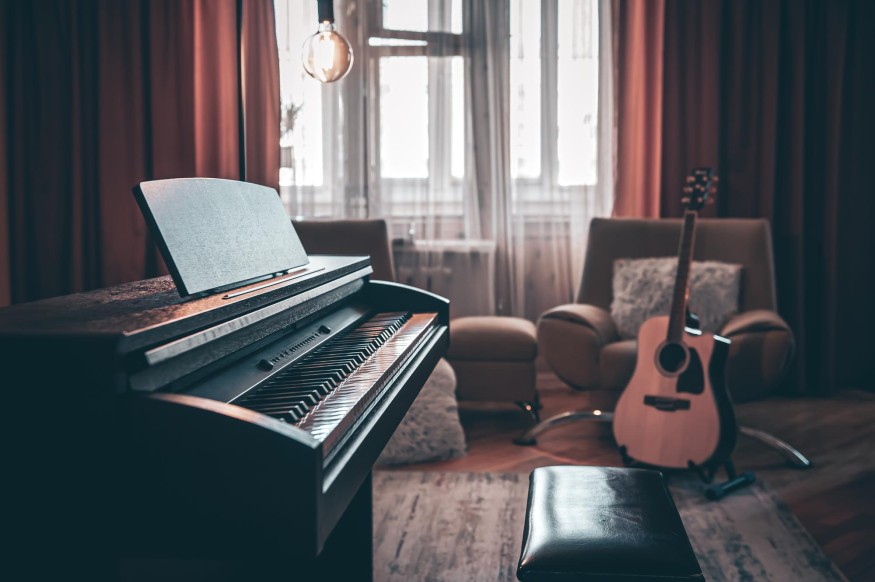
A music room can be much more than a place to store instruments or practice a favorite hobby. With thoughtful planning, it can become one of the most distinctive rooms in a home, combining acoustic performance with an interior design scheme that reflects the homeowner's personality.
Whether the space is intended for playing instruments, recording music, listening to vinyl records, or simply enjoying a carefully curated sound system, its design should balance practical requirements with visual appeal. Acoustic treatments, appropriate lighting, comfortable furniture, and dedicated storage all contribute to a room that feels as inviting as it sounds.
The key is to approach the space as both a functional environment and an extension of the home's overall interior style.
Start With the Room's Main Purpose
Before selecting furniture or choosing a color palette, it is important to establish how the music room will be used. A space designed for piano practice has different requirements from one intended for recording, rehearsing with a band, or listening to high-quality audio equipment.
A piano room, for example, may benefit from a comfortable seating arrangement and sufficient clearance around the instrument. A recording studio requires more attention to sound isolation, equipment placement, and acoustics. Meanwhile, a listening room should prioritize speaker positioning, seating distance, and balanced sound distribution.
The room's dimensions also influence its performance. Small, square spaces with parallel walls can create unwanted sound reflections and resonances. Understanding these limitations early allows homeowners to make better decisions about acoustic treatments and furniture placement.
According to the Acoustical Society of America's discussion of rehearsal-room design, the behavior of sound depends on room geometry, surface materials, absorption, and diffusion.
Make Acoustic Treatments Part of the Design
Acoustic performance is one of the most important considerations in a music room, but sound-control materials do not have to look industrial or disrupt an interior scheme.
Acoustic panels can be covered in decorative fabrics, arranged in geometric patterns, or incorporated into custom wall installations. Wood slat panels can also introduce warmth and texture while helping manage certain sound reflections when designed with appropriate acoustic backing.
The goal is to create a balance between absorption and diffusion. Absorptive materials reduce excessive reverberation, while diffusive surfaces scatter sound waves to create a more even acoustic environment.
Soft furnishings, upholstered furniture, curtains, and rugs can contribute to sound absorption, particularly at higher frequencies. However, these elements should not be mistaken for complete soundproofing.
Soundproofing addresses the transmission of noise between rooms and typically requires construction solutions such as additional wall mass, isolated framing, sealed openings, and appropriate door assemblies.
The distinction matters, especially when a homeowner intends to practice loud instruments without disturbing other occupants.
Choose Materials That Support the Room's Atmosphere
A music room offers an opportunity to experiment with materials that might feel too expressive in more formal areas of the home.
Wood is a natural choice because it introduces warmth and visual character. Walnut cabinetry, oak flooring, and timber shelving can create an inviting backdrop for instruments and audio equipment. Leather seating and textured upholstery add another layer of sophistication.
For a contemporary interior, concrete finishes, black metal details, and dark-colored cabinetry can establish a more studio-inspired atmosphere. Meanwhile, traditional spaces can incorporate patterned rugs, decorative molding, antique furniture, and rich wall colors.
Material selection should also consider maintenance and acoustics. Large expanses of glass, stone, and other hard surfaces can create excessive reflections if left untreated. Balancing them with softer finishes helps prevent the room from becoming acoustically uncomfortable.
Plan Storage Around Instruments and Equipment
Instruments should be treated as part of the room's visual identity rather than stored as an afterthought.
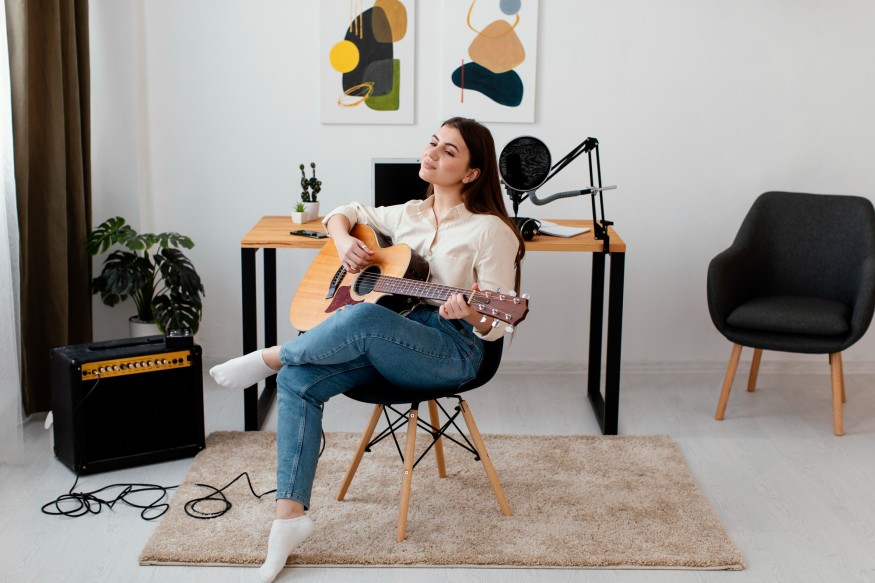
Wall-mounted guitar holders, custom keyboard cabinets, and built-in shelving can keep frequently used equipment accessible while creating an organized display. Dedicated cabinets are particularly useful for storing cables, microphones, sheet music, headphones, and smaller accessories.
For larger collections, floor-to-ceiling cabinetry can provide concealed storage without making the room appear cluttered.
It is also important to account for instrument-specific requirements. Pianos, wooden instruments, and certain audio components can be sensitive to changes in temperature and humidity. Direct sunlight, damp conditions, and poorly ventilated spaces should therefore be avoided.
Layer Lighting for Different Activities
Lighting should support both the room's atmosphere and its practical functions.
General ambient lighting provides an even foundation, while task lighting helps illuminate sheet music, keyboards, and work surfaces. Adjustable floor lamps and wall sconces can also create comfortable reading or listening areas.
Accent lighting introduces another design opportunity. Picture lights can highlight framed concert posters, while integrated LED lighting can emphasize shelving, instruments, or architectural details.
Dimmable fixtures are particularly useful because a music room may serve several purposes throughout the day. Bright lighting is appropriate for rehearsals and equipment adjustments, while softer illumination creates a more relaxed environment for listening.
Window treatments should also be considered. Heavy curtains can help control incoming light and contribute to acoustic absorption, although their sound-control performance depends on their material and installation.
Let Personal Collections Define the Space
Music rooms often benefit from personal details that give them a stronger identity.
Framed album artwork, vintage concert posters, record collections, and photographs can introduce color and personality. A collection of vinyl records can become a decorative feature when displayed on open shelving or in purpose-built cabinets.
However, displaying equipment and memorabilia should not compromise the room's functionality. Shelving must be accessible, instruments need appropriate protection, and decorative objects should not obstruct speakers or create unwanted vibrations.
Ultimately, the most successful music rooms are designed around the activities and collections that make them meaningful. With carefully considered acoustics, layered lighting, and comfortable furnishings, the space can deliver an enjoyable listening experience without sacrificing the character of the home.
Frequently Asked Questions
1. What should every home music room have?
A home music room should have appropriate acoustic treatments, comfortable seating, suitable lighting, instrument storage, and enough electrical outlets for its equipment.
2. How can a music room be soundproofed?
Effective soundproofing generally involves adding mass to walls, decoupling structural elements, sealing gaps, and using suitable doors and acoustic insulation. Professional assessment is recommended for demanding installations.
3. What colors work best in a music room?
Deep greens, navy, charcoal, warm neutrals, and rich wood tones can create an inviting atmosphere. The best palette depends on the home's overall interior style.
4. Can a small room become a music room?
Yes. A spare bedroom, converted attic, or unused corner can accommodate a compact music setup. Careful furniture placement and appropriately sized acoustic treatments help maximize limited space.


Meghan Trainor Puts Her Lavish Encino Estate on the Market for Nearly $18 Million

The High-Gloss Paint Trick Designers Use to Make Kitchens Look More Expensive

IKEA's New Art Collection Turns Everyday Home Decor Into Affordable Designer Art

Sherwin-Williams's 2027 Color Forecast Unveils 48 Rich Colors to Refresh Your Home in 2027

Modern Kids' Rooms Are Changing: The Kids' Bedroom Ideas Designers Want Now


