These Affordable Kitchen Organization Ideas Make Cabinets and Counters Work Harder
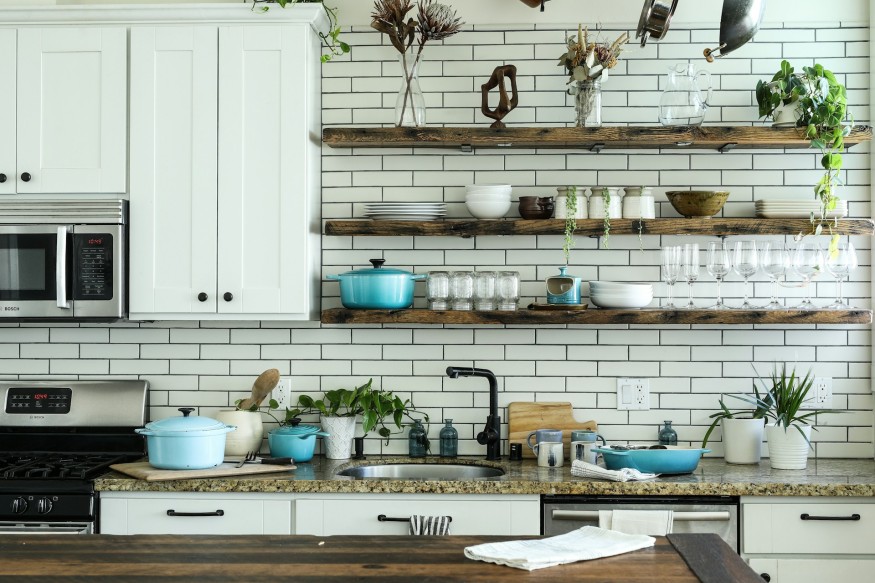
A functional kitchen depends as much on how its contents are arranged as on the size of the room. Crowded countertops, difficult-to-reach cabinets, mismatched food containers, and overflowing drawers can make everyday cooking unnecessarily complicated. However, creating a more organized kitchen does not necessarily require custom cabinetry, a pantry renovation, or a collection of expensive storage products.
The most effective kitchen organization ideas begin with understanding how the space is used. Cooking habits, household size, available storage, and frequently used equipment all influence which solutions will be most practical.
A budget-friendly approach prioritizes decluttering, rearranging existing storage, and purchasing only the items that solve specific problems. The result can be a kitchen that feels more spacious, supports efficient meal preparation, and remains easier to maintain.
1. Declutter Before Buying Storage Products
The first step toward an organized kitchen is removing items that no longer serve a purpose. Buying baskets, bins, and drawer dividers before assessing existing belongings can create more clutter rather than solving it.
Start with one area at a time, such as a utensil drawer, pantry shelf, or cabinet beneath the sink. Remove the contents, clean the surface, and group similar items together. Discard expired food and dispose of damaged or unusable items appropriately. Appliances, cookware, and serving pieces that are rarely used can be relocated to less accessible storage if they are still worth keeping.
Duplicates deserve particular attention. Multiple peelers, excess travel mugs, and containers without matching lids can occupy valuable space without providing much practical benefit.
The goal is not to own as little as possible. It is to make sure that the available storage accommodates the items the household genuinely uses.
2. Rearrange Cabinets Around Everyday Activities
A kitchen becomes easier to use when items are stored near the places where they are needed. Plates and glasses can be positioned near the dishwasher or dining area, while cooking utensils, oils, and frequently used seasonings belong near the stove or food preparation counter.
Group supplies according to activity rather than appearance alone. Baking equipment, for example, can be stored together so that measuring cups, mixing bowls, and baking ingredients are easy to locate.
Reserve the most accessible shelves for everyday essentials. Seasonal serving dishes and specialty appliances can occupy higher cabinets or less frequently used storage areas, provided they remain safe to retrieve.
This approach requires little or no spending. It also helps reveal which cabinets genuinely lack space and which simply need a more logical arrangement.
3. Use Vertical Space to Increase Storage Capacity
Many kitchens have unused vertical space inside cabinets, on walls, or beneath shelves. Making better use of these areas can improve accessibility without expanding the room.
Shelf risers create additional levels for mugs, bowls, plates, and pantry goods. Under-shelf baskets can provide space for lightweight items, while wall-mounted rails can hold frequently used utensils when the installation is suitable for the wall and kitchen layout.
Hooks may also help organize oven mitts, measuring cups, or lightweight kitchen tools. However, wall storage should not interfere with cooking, cleaning, ventilation, or movement through the room.
Before purchasing any organizer, measure the cabinet or shelf carefully. Check door clearance, shelf depth, and the height of the items being stored. A product that fits poorly can waste space rather than improve it.
4. Organize Drawers With Low-Cost Dividers
Kitchen drawers often become catch-all spaces for utensils, gadgets, batteries, clips, and miscellaneous household items. Dividing drawers into categories can make the contents easier to locate and prevent clutter from spreading.
Adjustable drawer organizers are useful when the budget allows, but inexpensive alternatives may work just as well. Small boxes, sturdy recycled containers, and repurposed trays can separate measuring spoons, cooking tools, and miscellaneous accessories.
The key is to measure first and avoid filling every available space with compartments. Oversized utensils may need a deeper drawer, while frequently used tools should remain easy to reach.
Knives require special care. Store them in an appropriate knife block, fitted drawer insert, or other secure arrangement designed to protect both the blades and the people using the kitchen.
5. Make Pantry Storage Easier to Navigate
A pantry does not need matching glass jars or professionally printed labels to function well. Clear categories and consistent placement can be enough to improve visibility and reduce food waste.
Group ingredients by type, including grains, canned goods, snacks, baking supplies, and breakfast items. Place frequently used products where they are easy to reach, and keep heavier containers on stable, lower shelves.
Use the first-in, first-out principle for suitable packaged foods: move older items forward when adding new purchases, while following expiration dates, storage instructions, and food-safety guidance. Airtight containers can be helpful for ingredients that benefit from protection against moisture or pests, but original packaging may be preferable when it contains important cooking instructions or product information.
Baskets can group loose packets and small products. Labels are useful when containers are opaque or several family members share the space.
Avoid decanting every ingredient simply for visual consistency. Storage should make food easier to identify and use, not create additional maintenance.
6. Free Up Countertops Without Hiding Everything
Clear countertops can make a kitchen appear more spacious and provide more room for meal preparation. However, removing every item is not always practical, particularly in smaller homes where counter space doubles as a daily work area.
Keep frequently used appliances accessible if they are used often enough to justify the space. Less frequently used appliances can be stored in cabinets or on dedicated shelves, provided their weight and dimensions make retrieval safe.
A tray can group cooking oils, salt, and frequently used seasonings into one manageable area. A utensil holder near the stove can also keep everyday tools together, as long as it does not crowd the cooking surface.
The objective is to preserve usable workspace while keeping essential items within easy reach.
7. Choose Storage Purchases That Solve Real Problems
When a kitchen genuinely needs additional storage products, prioritize items that address recurring frustrations.
Useful purchases may include:
- Adjustable shelf risers for cabinets with wasted vertical space.
- Stackable bins for snacks, packets, and small pantry goods.
- Drawer dividers for utensils and cooking tools.
- Turntables for suitable cabinets containing bottles or condiments.
- Airtight containers for ingredients that require protected storage.
Not every kitchen needs all five. Start with one problem area, compare dimensions, and determine whether a simple rearrangement could achieve the same result.
8. Establish a Simple Routine to Keep Clutter Under Control
Even a well-organized kitchen can become cluttered when items do not return to their designated places. A short daily reset can help maintain the system without requiring another major organizing project.
Return tools to their assigned drawers, wipe down counters, put away clean dishes, and check whether pantry items have migrated into unrelated areas. A weekly review can identify expired ingredients, duplicate purchases, and supplies that need replenishing.
Household members should understand where common items belong. If a storage system is difficult for everyone to follow, it may need to be simplified.
Create a Kitchen That Works Better Without Overspending
Organizing a kitchen on a budget is primarily a matter of making deliberate decisions about space, accessibility, and daily routines. Decluttering, rearranging cabinets, using vertical storage, and grouping similar items can deliver meaningful improvements before any money is spent.
When additional products are necessary, selecting a few well-fitted organizers is often more effective than purchasing a complete matching set. The best kitchen organization system is one that supports everyday cooking, accommodates the household's needs, and remains practical long after the initial cleanup.
Frequently Asked Questions
1. What is the cheapest way to organize a kitchen?
Decluttering, rearranging cabinets, grouping similar items, and repurposing sturdy containers are among the least expensive solutions. These steps can reveal unused storage capacity before new products are purchased.
2. How can a small kitchen feel more organized?
Use vertical space, keep countertops focused on essential tasks, store items near where they are used, and reserve accessible cabinets for everyday supplies. Avoid purchasing organizers before measuring the available space.
3. Which kitchen organizers are worth buying?
Shelf risers, drawer dividers, stackable pantry bins, and suitable airtight containers can be useful when they solve a specific storage problem. Their value depends on the kitchen's dimensions and the items being stored.
4. How often should a kitchen be reorganized?
A full reorganization is not necessary on a fixed schedule. A brief daily reset, regular pantry checks, and occasional reviews of cabinets and drawers can prevent clutter from accumulating again.


Little Greene Names Marle Its 2027 Color of the Year, a Warm Brown Made for Cozy Homes

Farrow & Ball's New Heritage Wallpapers Bring Historic Patterns Into Modern Homes

Tyler Perry's 22.5-Acre Beverly Hills Estate Hits the Market for $57 Million

Want a Brighter Room? 7 Designer Tricks That Don't Involve Repainting

Renovating a Bathroom? Designers Say to Fix This Before Anything Else


