6 Backsplash Trends for 2027 That Designers Say Will Stand the Test of Time
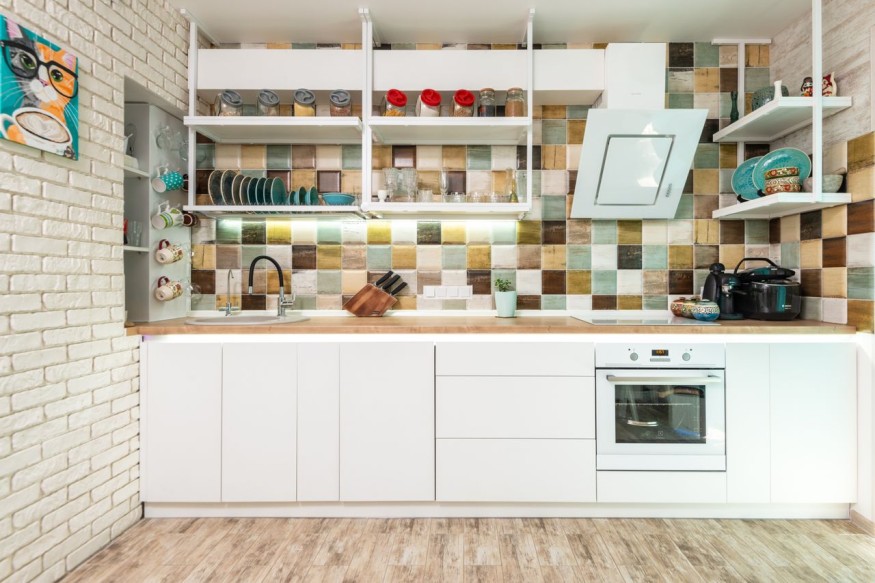
A kitchen backsplash can be one of the smallest surfaces in a kitchen, but it can have an outsized effect on the overall design. In 2027, designers are moving away from backsplashes that exist purely to make a visual statement and toward materials and details that feel connected to the architecture of the home.
According to Homes & Gardens, designers are increasingly treating the backsplash as an opportunity to introduce craftsmanship, texture and character rather than simply adding another decorative layer. Several of the looks gaining attention for 2027 also have roots in traditional interiors, which gives them more staying power than highly specific trend-driven finishes.
Here are six backsplash ideas designers expect to remain relevant well beyond 2027.
1. Countertop Material Continued Up the Wall
One of the most streamlined backsplash approaches is to continue the countertop material vertically onto the wall.
This can create a seamless visual transition between horizontal and vertical surfaces, particularly when natural stone or a stone-look material is involved. The uninterrupted finish can also make a kitchen appear calmer because there are fewer visual breaks between the countertop, backsplash and cabinetry.
Quartzite is one option designers are using for this approach, while porcelain and other engineered surfaces can provide a similar effect at different price points.
The appeal is less about following a specific color trend and more about creating continuity. That makes the look particularly suitable for kitchens designed around restrained palettes and natural materials.
2. Large-Format Tile
Large-format porcelain and natural stone tiles are another direction gaining momentum.
The appeal is practical as well as aesthetic. Larger tiles mean fewer grout joints, creating a cleaner appearance while potentially reducing some of the visual busyness associated with smaller tiles. Homes & Gardens reports that designers are increasingly turning to large-format porcelain as an alternative to expensive slab materials, with options available that replicate travertine, quartzite, stone and other surfaces.
For homeowners who want the appearance of a stone slab without committing to the fabrication costs associated with a full slab backsplash, large-format tile can provide a middle ground.
The key to keeping the look timeless is choosing a finish that resembles a genuine natural material rather than one that is overly tied to a short-lived color or pattern.
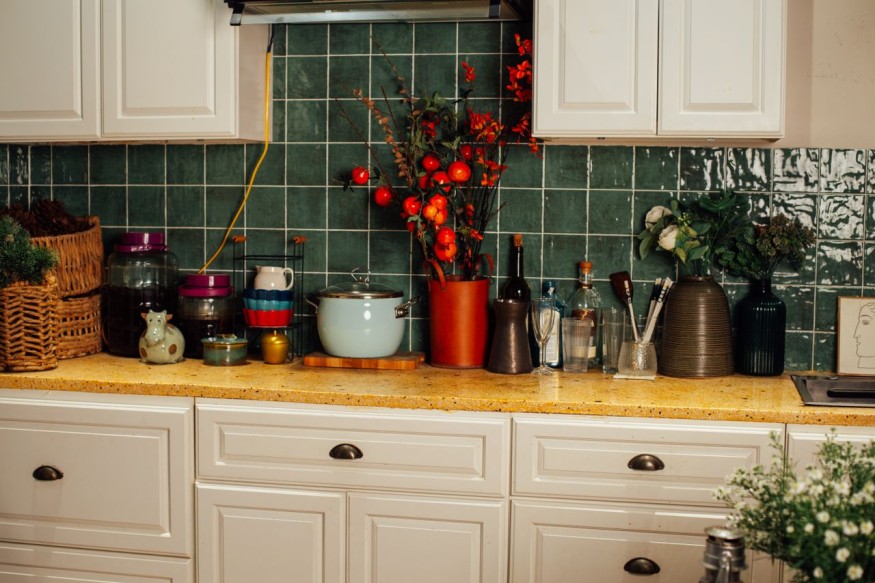
3. Artisanal and Handmade Tiles
Handmade tile is also having a moment, but its appeal is rooted in something much older than current trends: craftsmanship.
Slight variations in color, shape and surface give handmade tiles a sense of depth that perfectly uniform manufactured surfaces cannot always reproduce. Designers are particularly interested in tiles with heritage-inspired patterns, hand-painted details and subtle imperfections.
This approach works especially well in older homes, where a handcrafted backsplash can complement original architectural details. It can also add warmth to a newer kitchen that might otherwise feel overly polished.
The important distinction is restraint. A handmade backsplash does not necessarily need an elaborate pattern. A softly varied tile in a natural or muted color can introduce enough character without overwhelming the cabinetry or countertops.
4. Floor-to-Ceiling Subway Tile
Subway tile remains one of the strongest examples of a design classic that keeps being reinvented. For 2027, designers are looking beyond the traditional backsplash area and extending simple metro or subway tile across entire walls. The treatment can reach from countertop to ceiling, around windows or across the wall behind a range.
Interior designer Jessica Helgerson told Homes & Gardens that fully tiled kitchen walls have historical precedent and can provide both practical and aesthetic benefits. In period homes, the approach can also reinforce the character of the building.
For maximum longevity, classic proportions and a straightforward brick layout are safer choices than highly elaborate installation patterns. The result can feel historic without looking dated.
5. Sculptural Backsplashes
The backsplash is increasingly being treated almost like architectural millwork. Instead of simply choosing a tile, designers are considering the shape, edges and relationship between the backsplash and surrounding cabinetry. Curved details, framed sections and shaped edges can create a focal point around a range, sink or niche.
This approach works particularly well when the backsplash echoes another architectural element in the room. A curved backsplash edge, for example, can repeat the shape of an arched doorway or rounded cabinetry.
That connection is what helps make the design feel intentional rather than decorative for decoration's sake.
6. Small-Format Mosaic Tile Used More Intentionally
Small tiles are returning, but designers are approaching them differently than they might have in previous trend cycles. Rather than covering every available surface with a highly contrasting mosaic, designers are using smaller tiles to create texture and subtle variation. Tonal mosaics can introduce visual interest without becoming the dominant feature of the kitchen.
Natural stone, marble, soapstone and warm wood can provide an effective counterpoint to a textured backsplash.
The historical use of mosaics also gives this approach a built-in sense of longevity. When the colors remain restrained and the materials feel authentic, the backsplash can age gracefully instead of looking tied to a particular decorating era.
How to Choose a Backsplash That Will Age Well
The most enduring backsplash is not necessarily the most expensive or dramatic one. Instead, it tends to be the option that works with the architecture, materials and proportions already present in the kitchen.
Homeowners should consider the cabinetry, countertops, flooring and lighting before selecting a backsplash. A material that looks beautiful on its own may become overwhelming when combined with several other strong finishes.
It is also worth considering maintenance. Kitchens are high-use environments, so grout requirements, stain resistance and cleaning needs should be part of the decision alongside appearance.
Ultimately, the backsplash trends designers are highlighting for 2027 have one thing in common: they prioritize materials, craftsmanship and architectural context over novelty. That makes them more likely to remain appealing after the next trend cycle arrives.
Frequently Asked Questions
1. What backsplash material is most timeless?
Classic subway tile, natural stone and restrained handmade tile are among the options with the strongest historical staying power. The exact choice should still complement the home's architecture and other finishes.
2. Are large-format backsplash tiles difficult to maintain?
Large-format tiles can be relatively easy to maintain because they require fewer grout joints. The specific cleaning requirements depend on whether the surface is porcelain, natural stone or another material.
3. Should a backsplash match the countertop?
It does not have to. Matching or continuing the countertop material creates a seamless look, while contrasting tile can introduce texture and character.
4. Is subway tile still a good choice for a kitchen?
Yes. Subway tile has been used for generations and can remain relevant when installed in a simple, classic layout and paired with finishes appropriate to the home's style.


10 Low-Light Houseplants That Can Thrive in Your Home's Shadiest Corners

Staud Home Has Arrived With Playful Ceramics, Leather Goods and More

Don't Leave Your Empty Fireplace Bare: Designers Share What to Do Instead

The Essential Guide to Designing a Root Cellar for Winter Produce

Cold Minimalism Is Losing Ground. This Is What Designers Want Instead


