Dinettes Are the Small-Kitchen Seating Solution That Makes Every Inch Count
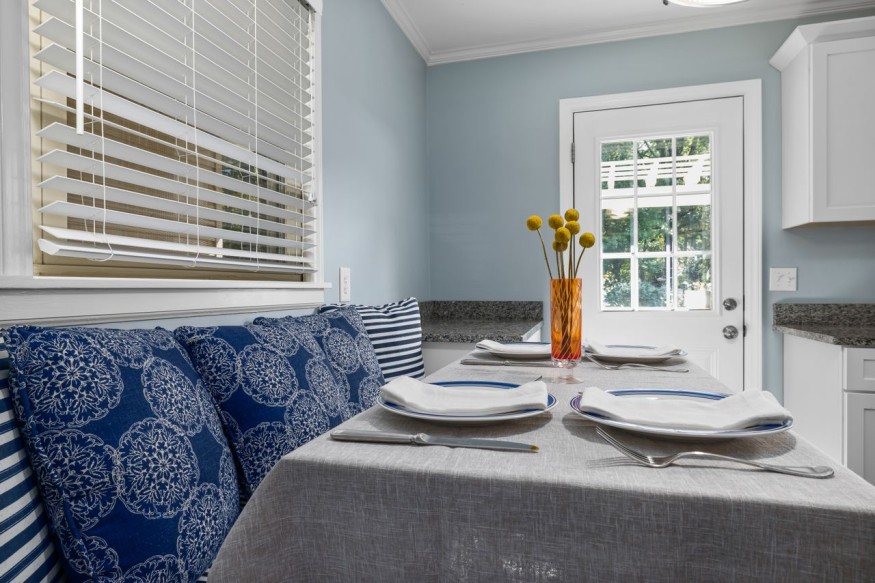
A small kitchen does not need to sacrifice comfortable dining to preserve valuable floor space. Dinettes offer a practical alternative to oversized dining tables and bulky islands, creating a dedicated place to eat, work, or enjoy a morning coffee without overwhelming the room.
Typically made up of a compact table and a small arrangement of chairs, a bench, or a banquette, a dinette can fit into a corner, an alcove, or an otherwise underused section of the kitchen. Its appeal lies in its ability to make a room more functional while adding a welcoming, lived-in quality.
Designers have increasingly highlighted these intimate seating areas as a way to make smaller kitchens feel intentional rather than limited. Instead of forcing a conventional dining arrangement into a tight layout, homeowners can build a seating area around the space they actually have.
Why Dinettes Work So Well in Small Kitchens
The main advantage of a dinette is its efficient footprint. Traditional dining tables generally require room for chairs to be pulled out on every side, along with enough clearance for people to move comfortably around them. A dinette positioned against a wall can reduce the amount of floor space needed.
A bench or built-in banquette can also accommodate several people along one side of a table without introducing multiple chair legs into a narrow walkway. For households that do not need a large formal dining area, this arrangement can provide all the seating required for everyday meals.
Dinettes also create a clear purpose for awkward corners. An unused kitchen alcove can become a breakfast nook, while a small section beside a window can provide a comfortable spot for coffee or casual conversation.
Choose the Right Table Shape
The shape of the table influences how easily people can move around a dinette. Round tables are often useful in tight spaces because they eliminate sharp corners and allow people to circulate more easily. A pedestal base can further improve legroom by removing the obstruction of table legs at the corners.
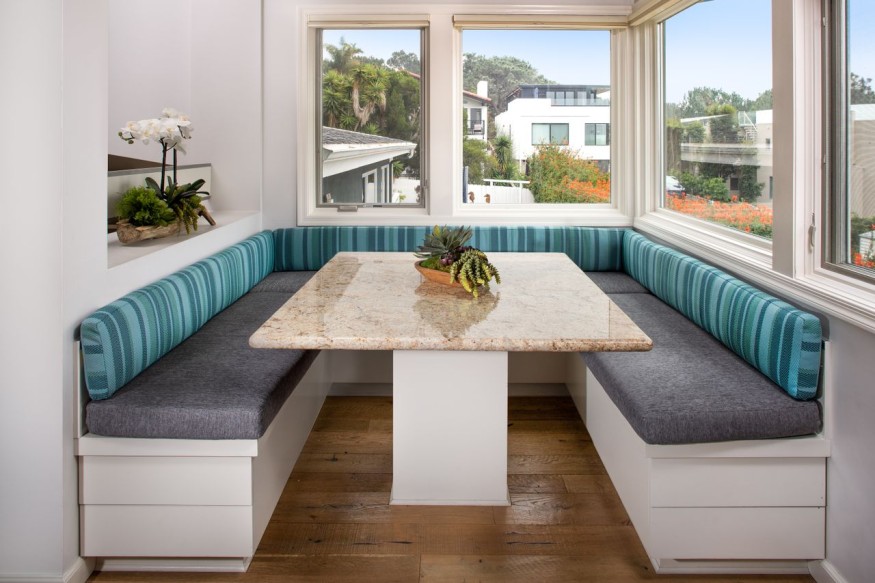
Square tables work well in compact, symmetrical nooks, particularly when they are paired with a built-in bench along two walls. Rectangular tables can suit longer kitchen layouts, provided there is enough clearance on the open side for chairs and movement.
A drop-leaf or extendable table offers additional flexibility. Its surface can remain compact for everyday use and expand when guests arrive. This approach is particularly helpful in apartments and small homes where the kitchen serves several purposes.
Before buying a table, homeowners should measure the available area and account for chair movement, access to cabinets, and nearby appliances. A table that fits on paper may still make the room uncomfortable if it obstructs a frequently used route.
Make a Banquette the Main Feature
A banquette is one of the most effective ways to maximize a dinette's seating capacity. Because the bench sits against a wall or in a corner, it does not require the same clearance as individual chairs on every side.
Built-in banquettes can be designed to follow the shape of an alcove, creating a tailored appearance that makes an awkward area feel intentional. Freestanding benches and small upholstered settees offer a less permanent alternative for renters or homeowners who prefer furniture they can rearrange.
Storage can make the arrangement even more useful. A bench with drawers or a lift-up seat can hold table linens, reusable shopping bags, small kitchen accessories, or other items that would otherwise occupy valuable cabinet space.
Upholstery introduces an opportunity to soften the kitchen's harder surfaces. A striped fabric, subtle check, or muted green cushion can add personality without requiring a major renovation. In a busy household, removable covers and durable, easy-to-clean materials may be more practical than delicate textiles.
Make Every Inch Count With These Five Design Choices
- Use the corners: Position the dinette in an alcove or against a wall to reduce the need for circulation space around every side.
- Choose a pedestal table: A central base can provide more legroom and make it easier to slide a bench underneath.
- Add concealed storage: Select a bench with drawers or a lift-up seat to keep linens and small household items out of sight.
- Keep the palette cohesive: Coordinate the table, seating, and cabinetry through related wood tones, upholstery colors, or finishes.
- Protect the walking route: Leave enough clearance for people to reach appliances, open drawers, and move between the kitchen and adjoining rooms.
Use Lighting to Give the Dinette Its Own Identity
A small dining area can feel more deliberate when its lighting distinguishes it from the surrounding kitchen. A pendant centered above the table creates a focal point, while a wall light can work in a nook where ceiling fixtures are difficult to install.
The scale of the fixture matters. An oversized pendant may overwhelm a tiny seating area, while a fixture that is too small can appear disconnected from the table. Homeowners should also consider the height of the ceiling, the table's dimensions, and whether the light will interfere with sightlines.
Where hardwired lighting is impractical, a portable lamp on a nearby shelf or sideboard can create a softer atmosphere, provided it is positioned safely away from cooking splashes and other hazards.
Natural light is equally valuable. A dinette beside a window can feel brighter and more spacious, particularly when the surrounding window treatments are simple and do not block the view.
Keep the Styling Comfortable, Not Cluttered
The temptation to decorate a small dinette with numerous accessories can quickly undermine its space-saving benefits. A small vase, a bowl of fruit, or a compact centerpiece may be enough to make the table feel finished.
Wall-mounted artwork or a mirror can add interest without occupying the tabletop. A washable rug can help define the dining area, but it should be sized so chairs remain stable and can move without catching on the edges.
The materials should also relate to the rest of the kitchen. Wood introduces warmth, upholstered seating adds softness, and metal accents can connect the dinette to cabinet hardware or lighting fixtures.
Rather than trying to make the nook look like a separate room, the goal is to give it a distinct identity while maintaining a visual connection to the kitchen.
A Small Dinette Can Transform Everyday Kitchen Living
Dinettes prove that functional kitchen design is not simply about fitting more furniture into a room. It is about choosing pieces that suit the way a household actually lives.
With a thoughtfully sized table, space-conscious seating, useful storage, and considered lighting, even a narrow corner can become a comfortable place to gather. The result is a kitchen that feels more welcoming without requiring a larger footprint or a full renovation.
Frequently Asked Questions
1. What is a dinette?
A dinette is a compact dining arrangement, usually consisting of a small table and a few chairs, a bench, or a built-in banquette. It is designed for casual meals and works particularly well in kitchens with limited space.
2. Are dinettes suitable for very small kitchens?
Yes. A dinette can fit into a corner, an alcove, or a narrow section of the room. Round tables, pedestal bases, and wall-side benches can help preserve circulation space.
3. Is a built-in banquette better than dining chairs?
A built-in banquette can maximize seating and use awkward corners efficiently. However, individual chairs offer more flexibility and are easier to move. The better option depends on the layout, budget, and household needs.
4. How can a small kitchen dinette look more stylish?
Coordinate the table and seating with the kitchen's existing finishes, introduce a suitable pendant or wall light, and use a few carefully chosen accessories. Avoid excessive decoration that makes the tabletop feel crowded.


Farrow & Ball's New Heritage Wallpapers Bring Historic Patterns Into Modern Homes

Little Greene Names Marle Its 2027 Color of the Year, a Warm Brown Made for Cozy Homes

Tyler Perry's 22.5-Acre Beverly Hills Estate Hits the Market for $57 Million

Want a Brighter Room? 7 Designer Tricks That Don't Involve Repainting

Renovating a Bathroom? Designers Say to Fix This Before Anything Else


