The Essential Fall Home Maintenance Checklist Every Homeowner Should Follow
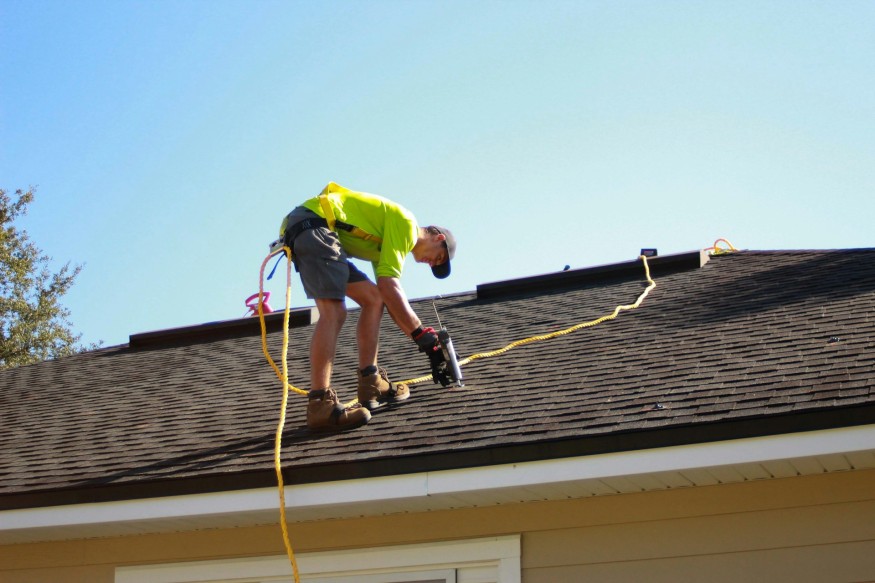
Fall is an important season for home maintenance because it gives homeowners an opportunity to address minor repairs before colder temperatures, heavy rainfall, and winter storms make them more difficult or expensive to manage. A loose roof shingle, clogged gutter, or drafty window may seem like a minor inconvenience, but neglecting these issues can contribute to water damage, heat loss, and costly repairs.
A well-planned fall home maintenance checklist prioritizes the parts of a property most vulnerable to seasonal weather changes. Exterior drainage, roofing, heating equipment, insulation, and safety devices deserve particular attention, although the exact tasks will depend on the home's climate and construction.
Homeowners do not need to complete every project in one weekend. Dividing the work into manageable tasks makes it easier to identify problems, budget for professional services, and keep the property in good condition throughout the year.
1. Inspect the Roof and Clean the Gutters
The roof and drainage system are among the first places to inspect before winter. Leaves, twigs, and other debris can accumulate in gutters, preventing rainwater from flowing freely through downspouts. When water overflows, it can damage fascia boards, stain exterior walls, erode landscaping, and contribute to moisture problems near the foundation.
Clear gutters and check that downspouts direct water away from the house. Look for sagging sections, loose brackets, visible leaks, and damaged seams. Homeowners should also inspect the roof from the ground for missing shingles, damaged flashing, or areas that appear uneven.
Roof inspections involving steep slopes or significant heights should be left to qualified professionals. Fall is also a practical time to arrange repairs before severe weather makes access more difficult.
2. Service Heating Equipment and Replace Filters
Heating systems often receive little attention during warmer months, making fall an ideal time to check their condition. A professional inspection can identify worn components, ventilation problems, or maintenance needs before the system is used regularly.
Homeowners with furnaces, heat pumps, or other heating equipment should follow the manufacturer's recommended service schedule. Filters should be inspected and cleaned or replaced according to the equipment's specifications. A clogged filter can restrict airflow, increase energy consumption, and place unnecessary strain on the system.
Fireplaces and wood-burning stoves also require attention. Chimneys and flues should be inspected and cleaned as recommended, particularly when the appliances are used frequently.
3. Check Windows, Doors, and Insulation
Gaps around windows and exterior doors can allow conditioned air to escape and outdoor air to enter. These leaks may make rooms uncomfortable and increase heating costs when temperatures fall.
Inspect weatherstripping, door sweeps, window seals, and visible caulking. Replace deteriorated materials where appropriate, and check that windows close securely. Homes with older windows may benefit from suitable draft-reduction measures, although the right solution depends on the window type and local climate.
Attics and accessible crawl spaces should also be checked for signs of damaged insulation, moisture, or unwanted air movement. Insulation should remain dry and should not obstruct required ventilation.
Homeowners should avoid covering intentional ventilation openings or sealing areas that require specific clearances around heating equipment. When the source of a draft or moisture problem is unclear, a qualified contractor can help determine the appropriate repair.
4. Examine the Foundation and Outdoor Drainage
Water management is essential to protecting a home's structure. Walk around the property after rainfall and look for areas where water collects near the foundation, pools beside exterior walls, or flows toward the house.
Check downspout extensions, drainage channels, and the slope of soil near the building. Small drainage issues can sometimes be corrected with straightforward maintenance, while persistent basement leaks or foundation cracks may require professional assessment.
Inspect exterior walls for peeling paint, deteriorated sealant, damaged siding, and openings around pipes or cables. Repairing vulnerable areas before prolonged wet weather can help limit moisture intrusion.
Landscaping should also be reviewed. Trim branches that threaten the roof, remove dead limbs where practical, and keep plants from obstructing drainage routes or making exterior walls difficult to inspect.
5. Test Smoke Alarms and Carbon Monoxide Detectors
Seasonal maintenance should include safety checks, not just repairs intended to protect the building.
Test smoke alarms and carbon monoxide detectors according to their manufacturers' instructions. Replace batteries where required, confirm that devices are positioned appropriately, and replace expired or malfunctioning units. Homes with fuel-burning appliances, fireplaces, or attached garages should pay particular attention to carbon monoxide protection.
Keep heating equipment clear of combustible materials, and make sure fireplace tools and ashes are handled safely. Portable heaters should be used according to their instructions and kept away from curtains, bedding, furniture, and other materials that could ignite.
Households should also review emergency contacts, first-aid supplies, flashlights, and backup lighting before severe weather arrives.

6. Prepare Outdoor Fixtures and Seasonal Equipment
Outdoor maintenance helps protect equipment and reduces the likelihood of preventable damage. Inspect exterior faucets, hoses, irrigation systems, and exposed pipes where freezing temperatures are possible. Drain and store hoses as appropriate, and follow the recommended winterization procedure for irrigation equipment.
Clean outdoor furniture, check deck railings, and repair loose steps or handrails. Store cushions and other weather-sensitive materials in a dry location.
If the property has a swimming pool, outdoor kitchen, or other seasonal installation, follow the manufacturer's instructions for shutting down or protecting the equipment. Homes in mild climates may require less winterization, but drainage, storm preparation, and routine inspections remain important.
7. Create a Maintenance Schedule Instead of Tackling Everything at Once
An effective checklist distinguishes urgent repairs from improvements that can wait. Water leaks, damaged roofing, faulty safety alarms, and heating-system problems should receive prompt attention. Cosmetic repairs and optional upgrades can be scheduled according to available time and budget.
Homeowners can record inspection dates, photograph existing damage, save contractor receipts, and maintain reminders for recurring tasks. This documentation makes it easier to notice deterioration and can help when planning future maintenance expenses.
Keep the Home Protected With a Consistent Seasonal Routine
Fall home maintenance is most effective when it focuses on prevention rather than waiting for problems to become emergencies. Checking the roof, managing water drainage, servicing mechanical equipment, improving air sealing, and testing safety devices can help homeowners protect their investment and prepare for changing weather.
A property-specific checklist is more useful than a generic schedule because climate, building materials, equipment, and local risks vary. Regular inspections, timely repairs, and qualified professional support can make seasonal maintenance more manageable.
Frequently Asked Questions
1. When should homeowners start fall home maintenance?
Homeowners should begin before severe seasonal weather arrives. The ideal timing depends on the local climate, but inspections are most useful when there is enough time to arrange repairs before temperatures drop or storms become frequent.
2. What is the most important fall home maintenance task?
Roof and gutter inspections, drainage checks, and heating-system maintenance are among the highest priorities. Homes with known leaks, damaged roofing, or faulty heating equipment should address those issues first.
3. How can homeowners prepare their houses for winter on a budget?
Start with visual inspections, cleaning gutters safely, replacing appropriate filters, checking weatherstripping, testing safety alarms, and removing debris from drainage routes. Set aside funds for professional repairs involving roofs, electrical systems, or heating equipment.
4. Which fall maintenance tasks require a professional?
Roof repairs at height, heating-system servicing, chimney inspections, significant foundation problems, and electrical repairs may require qualified professionals. The appropriate level of expertise depends on the task and applicable local requirements.


Little Greene Names Marle Its 2027 Color of the Year, a Warm Brown Made for Cozy Homes

Farrow & Ball's New Heritage Wallpapers Bring Historic Patterns Into Modern Homes

Tyler Perry's 22.5-Acre Beverly Hills Estate Hits the Market for $57 Million

Want a Brighter Room? 7 Designer Tricks That Don't Involve Repainting

Renovating a Bathroom? Designers Say to Fix This Before Anything Else


