Is Your Home Too Coordinated? Designers Share 5 Ways to Add Character
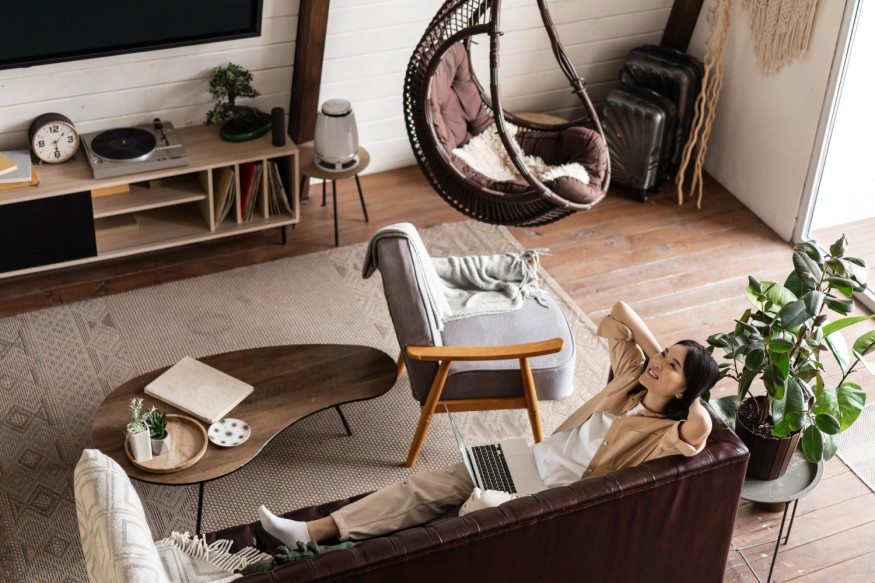
A beautifully coordinated home can feel polished and harmonious, but when every piece of furniture, accessory, and finish looks as though it came from the same collection, the result can sometimes feel predictable. While matching furniture sets and carefully coordinated color palettes offer an easy starting point for decorating, designers increasingly favor interiors that feel collected, layered, and personal.
The secret to creating a more interesting home is not abandoning cohesion altogether. Instead, it involves introducing contrast through furniture, materials, colors, and decorative objects without making individual rooms feel disconnected. A vintage side table beside a contemporary sofa, an unexpected combination of textiles, or artwork collected over time can give a room the character that a perfectly coordinated space sometimes lacks.
For homeowners who feel their interiors are looking a little too uniform, a few thoughtful adjustments can make a significant difference.
1. Mix Furniture From Different Design Periods
One of the easiest ways to break up a matchy-matchy interior is to combine furniture from different design periods. Rather than purchasing an entire living room set, homeowners can pair contemporary seating with vintage occasional tables, antique cabinets, or midcentury-inspired accent chairs.
The contrast creates a sense of history and individuality. For example, a streamlined modern sofa can look particularly interesting alongside a traditional wooden coffee table, while a vintage dresser can bring warmth to a bedroom furnished with contemporary pieces.
The key is to establish a relationship between the different styles. Similar wood tones, complementary silhouettes, or a shared color can help seemingly unrelated furniture pieces feel intentional.
Designers often recommend choosing one dominant aesthetic and introducing another through smaller furnishings. This prevents the room from becoming visually confusing while allowing individual pieces to stand out.
Read more: Australia's 2026 Architecture Awards Highlight Sustainability and Community-Focused Design
2. Introduce Contrasting Textures and Materials
A room decorated almost entirely in one material can feel flat, even when its color palette is attractive. Mixing textures creates visual depth and makes an interior feel more thoughtfully assembled.
A linen sofa, for instance, can be complemented by velvet cushions, a chunky wool throw, and a natural wood coffee table. Elsewhere, polished metal accessories can provide contrast against matte ceramics, while woven baskets introduce an organic element to more contemporary surroundings.
The combination of smooth, rough, soft, and reflective finishes helps create a layered environment without requiring an entirely new decorating scheme.
Homeowners can also experiment with unexpected material combinations. Marble and reclaimed wood, glass and woven rattan, or brushed brass and natural stone can create a more distinctive look than repeating the same finish throughout a room.
Rather than introducing every texture at once, it is better to select a few complementary materials and distribute them throughout the space.
3. Break Up a Uniform Color Palette
A consistent color palette is useful for creating visual harmony, but relying too heavily on a single shade can make a room feel one-dimensional.
For example, an entirely beige living room can benefit from accents in olive green, rust, chocolate brown, burgundy, or muted blue. These colors introduce contrast while maintaining the warmth of a neutral foundation.
The same principle works in more colorful interiors. A room dominated by blue can incorporate warm wood, terracotta, or ochre to prevent the palette from feeling overly coordinated.
Homeowners do not necessarily need to repaint their walls or replace their larger furniture pieces. Smaller additions, including cushions, artwork, lampshades, rugs, and decorative accessories, can introduce enough variation to change the overall impression.
It is also worth considering the undertones of existing finishes. Warm neutrals tend to work naturally with other earthy shades, while cooler palettes can benefit from carefully selected contrasting accents.
4. Incorporate Vintage Finds and Personal Objects
Interiors become more interesting when they reflect the people who live in them. Vintage objects, inherited furniture, travel souvenirs, and personal collections can introduce a sense of individuality that coordinated decorative sets rarely achieve.
An antique mirror above a contemporary console, an old ceramic vase on a modern dining table, or framed artwork collected from different places can make a room feel more authentic.
These objects also help create visual variety. Their differences in age, finish, shape, and craftsmanship make the overall arrangement feel less manufactured.
Homeowners looking for inspiration can explore flea markets, antique shops, estate sales, and secondhand stores. Even a single distinctive object can become a focal point when placed thoughtfully.
However, collecting does not mean displaying everything at once. Editing decorative arrangements is just as important as introducing new pieces. Leaving some breathing room allows meaningful objects to receive attention rather than competing with one another.
5. Experiment With Asymmetry and Unexpected Arrangements
Perfectly symmetrical arrangements can look elegant, but repeating the same composition throughout a home may contribute to a overly predictable atmosphere.
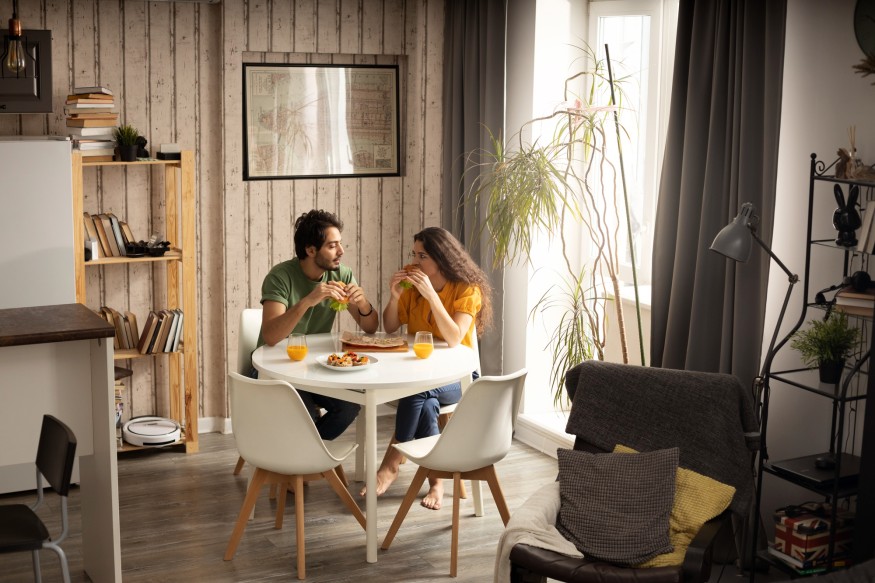
Introducing asymmetry is an effective way to create movement. Instead of placing identical lamps on both sides of a console, homeowners can combine a table lamp with a sculptural vase or a stack of books. A pair of different bedside tables can also bring personality to a bedroom while maintaining a balanced appearance.
The goal is to achieve visual equilibrium rather than identical placement. Objects can differ in height, shape, and material while still creating a composition that feels intentional.
The same approach can be applied to wall decor. A gallery wall featuring different frame sizes, artwork styles, and personal photographs often feels more collected than a perfectly uniform arrangement.
Creating a More Personal Interior Without Losing Cohesion
A home does not need to follow a single decorating formula to feel well designed. In fact, some of the most inviting interiors are those that combine different periods, materials, colors, and personal objects in a thoughtful way.
The most successful approach is to identify what already works in a room and introduce contrast gradually. A vintage accent, an unexpected textile, or a different furniture silhouette can make a familiar space feel refreshed without requiring a complete redesign.
Ultimately, the aim is not to make everything look different. It is to create a home where each piece contributes something distinctive while still belonging to the larger design story.
Frequently Asked Questions
1. What does matchy-matchy mean in interior design?
Matchy-matchy decorating refers to an interior where furniture, accessories, colors, and finishes coordinate so closely that the room can appear overly uniform or predictable.
2. How can a homeowner mix furniture styles successfully?
Start with one dominant design style and introduce contrasting pieces through accent furniture, vintage finds, or decorative accessories. Repeating a shared color or material can help maintain cohesion.
3. Do all the wood tones in a room need to match?
No. Different wood tones can create depth and visual interest. The key is to consider their undertones and distribute them throughout the room rather than concentrating every finish in one area.
4. How can a neutral home feel less boring?
Introduce contrasting textures, personal artwork, vintage accessories, sculptural lighting, and occasional accent colors. These details can add character without sacrificing a neutral aesthetic.


Herzog & de Meuron Reveal Ambitious Plans for Eames Institute Museum and Archives

Australia's 2026 Architecture Awards Highlight Sustainability and Community-Focused Design

Iris Ceramica Group Expands Its Global Presence With New Dubai Design Gallery

IKEA's New Art Collection Turns Everyday Home Decor Into Affordable Designer Art

Sherwin-Williams's 2027 Color Forecast Unveils 48 Rich Colors to Refresh Your Home in 2027


