Antique Furniture Can Hide These 7 Problems—Here’s What to Check
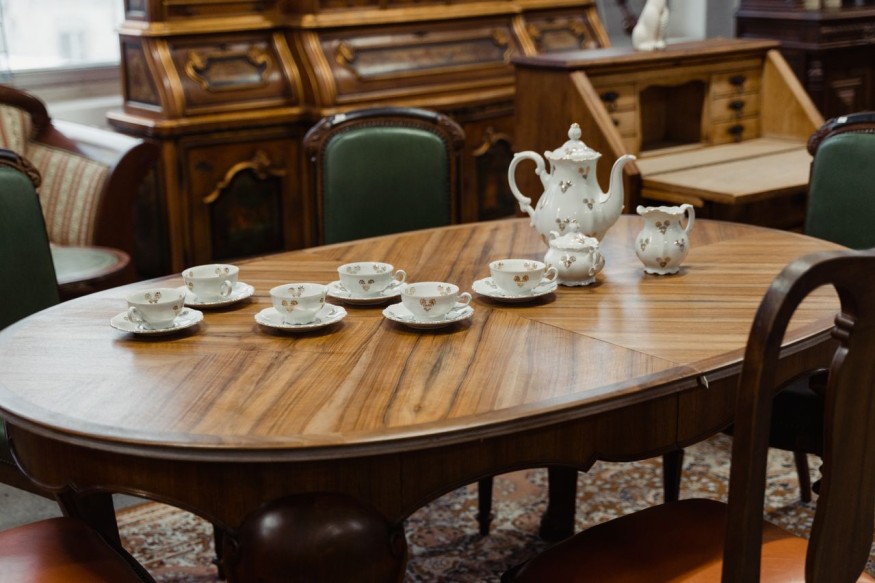
Antique furniture can give a room something that new pieces often cannot: visible history. The wear, materials, craftsmanship, and imperfections can make an interior feel collected rather than newly assembled.
But not every imperfection is simply patina. Before bringing an antique chest, chair, table, cabinet, or upholstered piece into your home, it is worth inspecting it for problems that may be expensive, or difficult, to resolve later. House Beautiful recently consulted antiques and design professionals about the warning signs shoppers should look for, ranging from active insect infestations to unstable frames and outdated electrical wiring.
1. Fresh Insect Damage
Tiny holes in old wood do not automatically mean an antique is ruined. The more important question is whether the infestation appears to be active.
Fresh piles of fine powder resembling sawdust can be a major warning sign of active wood-boring insects. Experts recommend checking underneath and inside furniture rather than examining only the visible exterior.
Woodworm specialists similarly identify small exit holes and fresh bore dust as signs that deserve investigation.
If active infestation is suspected, the safest approach is to keep the piece isolated rather than placing it immediately beside other wooden furniture.
2. A Wobbly or Unstable Frame
A little wear is expected from furniture that has survived decades—or centuries—but structural instability is another matter.
Chairs deserve particular attention. Sit in each chair individually rather than assuming that a matching set is equally stable. House Beautiful's experts recommend checking the joints, legs, and overall stability before purchase.
Tables, cabinets, and other furniture should also be checked for loose joints, leaning frames, or movement that seems excessive.
A repairable loose joint is not necessarily a reason to walk away, but the cost and complexity of the repair should be considered before the purchase.
3. Soft, Crumbling, or Rotting Wood
Water damage can become a serious problem when it has progressed into wood rot.
Look particularly closely at the underside of furniture, legs, corners, and joints. Water stains, warped surfaces, splitting, softness, or crumbling edges can indicate that the piece has been exposed to moisture.
House Beautiful's experts specifically advise avoiding antique furniture where wood rot has already set in. The underside matters because damage may be hidden from view when a piece is standing normally.
4. Missing or Improper Hardware
Drawers and doors should be tested before you buy.
Open and close every drawer. Check cabinet doors. Test locks when possible. If a piece requires a key, make sure the key is actually present and works.
Missing hinges, brackets, handles, or other specialized hardware can become surprisingly expensive when replacements need to be fabricated. Restoration costs can increase substantially when obsolete components have to be recreated.
Replacement hardware also matters from an authenticity standpoint. Modern pieces installed on an old frame may not necessarily make an antique undesirable, but buyers should know what has been replaced.
5. Mold, Mildew, or a Strong Musty Smell
Furniture that has spent years in a damp basement, storage unit, or water-damaged property can carry more than surface stains.
Moisture can contribute to mold and deterioration, while upholstered furniture can retain odors from smoke, mildew, or poor storage conditions. Experts quoted by House Beautiful recommend taking particular care with upholstered pieces because problems may not be immediately visible.
This is one situation where your sense of smell can be as useful as your eyes. A strong mildew or smoke odor should prompt further investigation rather than being dismissed as simply part of the furniture's age.
6. Chipping Paint
Painted antique furniture deserves an additional level of caution. Older painted surfaces may contain lead. Lead was widely used in paint before its 1978 ban in the United States and recommends professional testing for suspicious painted surfaces, particularly when the furniture will be used around children or as a dining surface.
Do not sand or disturb questionable old paint simply to investigate it. If the finish is significantly deteriorated, professional assessment is the safer route.
7. Exposed or Outdated Electrical Wiring
A vintage lamp may look beautiful enough to overlook its wiring, but electrical components can present a completely different set of concerns.
Aging electrical wiring can deteriorate and create risks including shock and fire. Old lamps may also have plugs or electrical configurations that are unsuitable for modern use. Any vintage lighting with questionable cords, plugs, sockets, or wiring should be evaluated by a qualified lighting or electrical professional before being put into service.
Know the Difference Between Character and Damage
None of this means antique furniture should be perfectly pristine.
Small scratches, faded finishes, uneven coloration, old repairs, and other signs of use can be part of what makes an antique appealing. The Henry Ford's furniture-conservation guidance similarly emphasizes that handling, environmental conditions, cleaning, and repairs all affect the preservation of wooden objects.
The goal is not to eliminate every imperfection. It is to distinguish normal age from problems that could affect safety, stability, preservation, or cost.
A beautiful antique can be an exceptional addition to a modern home, but the best purchase is one made with both appreciation and scrutiny. Before you fall for the finish or silhouette, inspect the underside, test the moving parts, look for signs of pests and moisture, and ask questions about previous repairs.
That extra time at the market, estate sale, or dealer's showroom could prevent an expensive surprise once the piece is already inside your home.
Frequently Asked Questions
1. What should I check before buying antique furniture?
Inspect the piece for structural instability, wood-boring insects, rot, mold, missing or replaced hardware, damaged finishes, and signs of previous repairs. Upholstered and painted pieces may require additional checks.
2. How can you tell if antique furniture has woodworm?
Look for small holes in the wood and, particularly, fresh powdery material around or beneath the furniture. Fresh-looking frass can indicate active insect activity and warrants further inspection.
3. Is damaged antique furniture worth buying?
It depends on the extent of the damage, the furniture's value, and the cost of restoration. Minor cosmetic wear can be part of an antique's character, while serious structural damage, rot, or active infestation can make restoration considerably more complicated.


From Craft Rooms to Music Studios: Why Dedicated Hobby Spaces Are Trending

Dr. Phil Lists Beverly Hills Mansion for $67.5 Million, More Than Double Its Purchase Price

From Bold Paint to Wood Paneling: Ceiling Ideas That Elevate Interiors

The Best Flooring Transitions for a Seamless Look Between Different Materials

How to Use Floating Furniture to Create Zones in an Open-Plan Home


