Dreaming of a Home Library? These 6 Ideas Are Both Cozy and Timeless
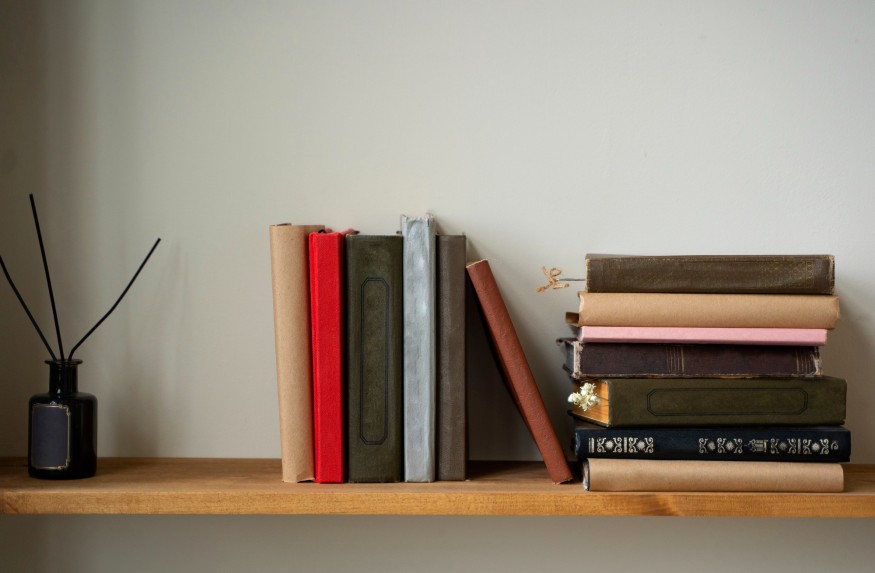
A home library can be one of the most inviting spaces in a house, offering a dedicated place to read, relax, and display a personal collection. While traditional libraries are often associated with expansive rooms lined with floor-to-ceiling bookshelves, creating a comfortable reading retreat does not necessarily require an entire room.
A thoughtfully designed home library can occupy an unused corner, a window alcove, or even part of an existing living room. The most successful designs balance practical book storage with comfortable seating, appropriate lighting, and decorative details that reflect the homeowner's personality.
Unlike decorating trends that change with the seasons, certain library design elements remain appealing because they prioritize comfort, functionality, and materials that age gracefully.
Whether the goal is to create a traditional reading room or a small book-filled retreat, these six home library ideas offer inspiration for spaces that can remain stylish and functional for years.
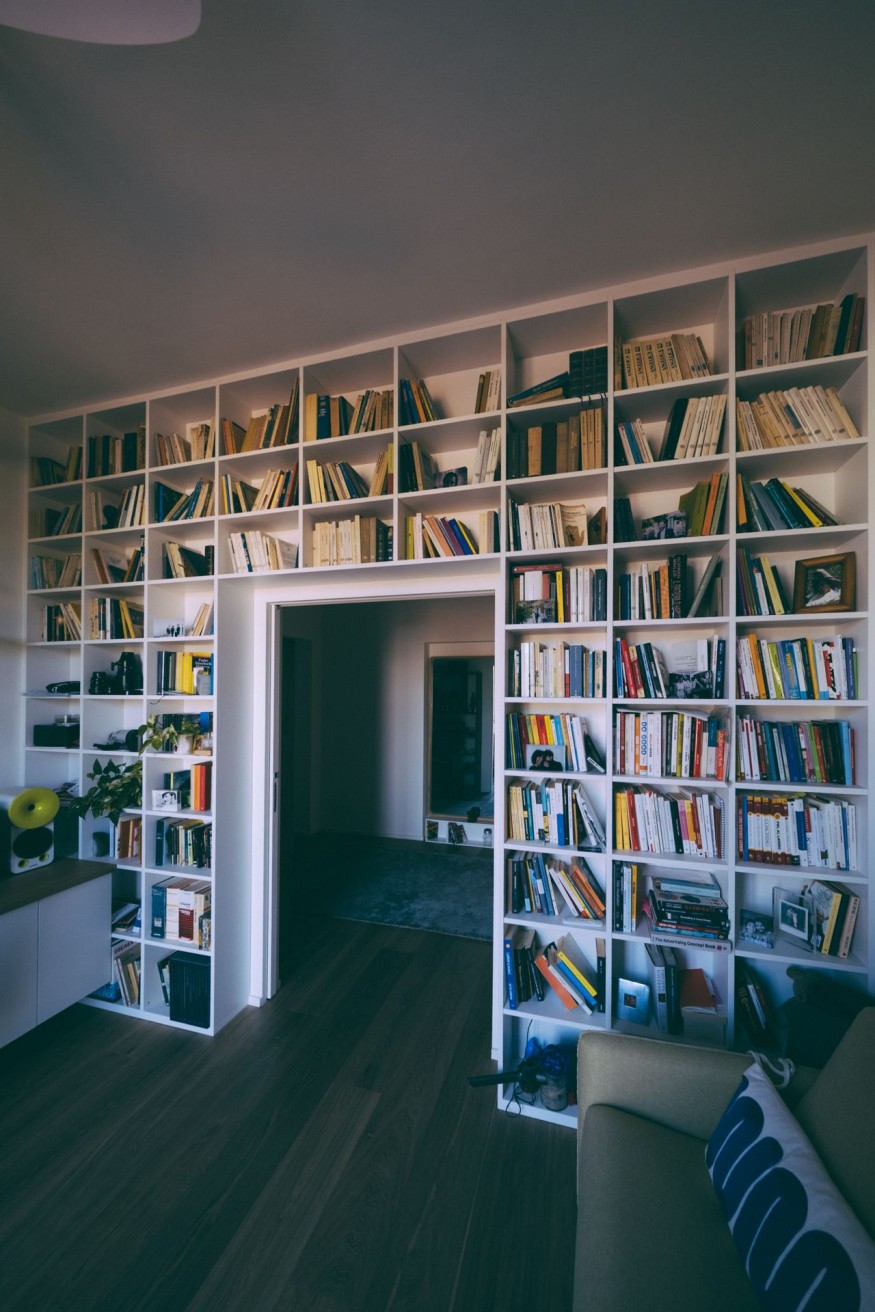
1. Install Floor-to-Ceiling Bookshelves
Floor-to-ceiling bookshelves are among the most recognizable features of a traditional home library. They make use of vertical space while creating an architectural focal point that can give an ordinary room a more established appearance.
Built-in shelving is particularly effective because it can be customized to accommodate different book sizes, decorative objects, and storage requirements. Homeowners can also incorporate lower cabinets to conceal less attractive items while keeping frequently used books within easy reach.
Natural wood finishes, including walnut and oak, offer enduring appeal because they introduce warmth and complement a wide range of interior styles. For a more traditional look, painted cabinetry with decorative molding can create the appearance of a classic study.
A rolling library ladder can add character to taller installations, although it should be selected according to the shelving system and available space.
2. Create a Window-Side Reading Nook
A window-side reading nook can transform an overlooked architectural feature into a comfortable destination.
Bay windows, wide window alcoves, and spaces beside large windows are particularly suitable because they offer natural light during the day. A built-in bench with a cushioned seat can provide a practical place to read while creating additional storage underneath.
To make the area more inviting, homeowners can incorporate supportive pillows, soft throws, and a small side table for books and beverages.
The surrounding walls can also accommodate shelving, creating a compact library without requiring a separate room. This arrangement works especially well in bedrooms, living rooms, and upstairs landings.
3. Choose Comfortable, Timeless Seating
A home library should be designed around the experience of reading, making comfortable seating one of its most important features.
An oversized armchair, upholstered lounge chair, or compact sofa can establish a welcoming atmosphere while providing enough support for longer reading sessions.
Classic furniture silhouettes tend to work particularly well because they can adapt to changing decorative preferences. Leather armchairs, traditional wingback chairs, and softly upholstered seating can all complement different library styles.
A matching ottoman can make the arrangement more comfortable, while a small table provides space for reading glasses, notebooks, and other essentials.
Homeowners should also consider the available floor area. A large chair may look appealing in a spacious library but can overwhelm a compact reading nook. Choosing furniture with appropriate proportions helps maintain a balanced layout.
4. Incorporate Warm, Layered Lighting
Lighting can significantly influence how comfortable a home library feels. While natural daylight is valuable, a reading space also needs appropriate illumination for evenings and darker areas of the room.
Rather than relying on one overhead fixture, designers often combine several lighting sources to create a more inviting environment.
A floor lamp positioned beside an armchair can provide focused illumination for reading. Wall sconces can brighten shelving and architectural features, while small table lamps introduce softer ambient light.
Picture lights are another useful detail, particularly when bookshelves incorporate artwork or framed photographs.
Warm-toned lighting can make wood finishes, textiles, and traditional furnishings feel more inviting. However, the light should still be bright enough for comfortable reading without creating excessive glare or harsh shadows.
The placement of switches and outlets should also be considered during the planning stage to avoid inconvenient wiring around seating areas.
5. Mix Books With Personal Collections and Artwork
A home library should reflect the person who uses it. Incorporating personal collections and meaningful objects can make the space feel more distinctive than a room filled exclusively with matching books.
Ceramic vases, framed photographs, travel souvenirs, sculptures, and vintage accessories can all be displayed alongside books to create a layered arrangement.
The key is maintaining enough open space for the collection to remain visually organized. Filling every shelf with decorative objects can make the room feel crowded and reduce the practical storage available for books.
A balanced arrangement can include horizontal and vertical book groupings, with smaller decorative pieces positioned between collections.
Homeowners can also incorporate artwork above shelving or lean framed pieces against the backs of deeper shelves. These details help establish a collected appearance without requiring expensive renovations.
The result is a library that feels connected to the homeowner's interests, experiences, and personal history.
6. Turn an Unused Corner Into a Compact Library
An entire room is not necessary to create a functional home library. Unused corners, spaces beneath staircases, and awkward alcoves can all accommodate compact reading areas.
Floating shelves are a practical option when floor space is limited. They provide storage without requiring bulky furniture, while a comfortable chair and small floor lamp can establish a dedicated reading area.
Another option is to combine a home library with an existing room. A living room corner can accommodate a narrow bookcase and lounge chair, while a home office can incorporate additional shelving without sacrificing workspace.
For smaller homes, multifunctional furniture can make the arrangement even more practical. Storage benches, compact bookcases, and nesting side tables help maximize available space.
The goal is to create a clear distinction between the reading area and the rest of the room, even when no physical wall separates the two.
How to Make a Home Library Feel Timeless
A lasting home library should prioritize comfort and personal expression over temporary decorating trends. Natural materials, durable furniture, flexible shelving, and thoughtful lighting provide a foundation that can adapt as a homeowner's collection grows.
It is also worth considering how the room will function over time. Adjustable shelves can accommodate books of different sizes, while additional storage can prevent collections from becoming overcrowded.
Homeowners who are planning custom shelving should consider how it relates to the architecture of the house. As Architectural Digest's guide to designing a home library explains, material and shelving choices can help the space feel connected to its surroundings.
Ultimately, the most inviting home libraries are not necessarily the largest or most elaborate. They are spaces that make reading comfortable, keep favorite books accessible, and provide a welcoming place to spend time away from everyday distractions.
Frequently Asked Questions
1. How much space is needed for a home library?
A home library does not require an entire room. A small corner, window alcove, or unused area beneath a staircase can accommodate shelving and comfortable seating.
2. What furniture should a home library have?
Essential furniture typically includes bookshelves, a comfortable reading chair, and a side table. An ottoman, sofa, or desk can be added depending on the available space and intended use.
3. What are the best colors for a cozy home library?
Warm neutrals, deep greens, navy, burgundy, and rich wood tones can create an inviting atmosphere. The best palette depends on the room's natural lighting and the overall interior style.


Forget Stainless Steel: Colorful Ranges Are Becoming the Star of Designer Kitchens

Costco's 10 Best Holiday Décor Finds for a Designer-Looking Christmas

From Maximalism to Renovation Advice: 11 Interior Design Books Worth Reading in 2026

Mexico's COLECTIVO C733 Takes Home the Inaugural Siza Award for Public Architecture

&Matcha Three Yards Puts Philippine Interior Design on the Global Map


