Can You Keep a Swimming Pool Open All Winter? Here’s What Experts Recommend
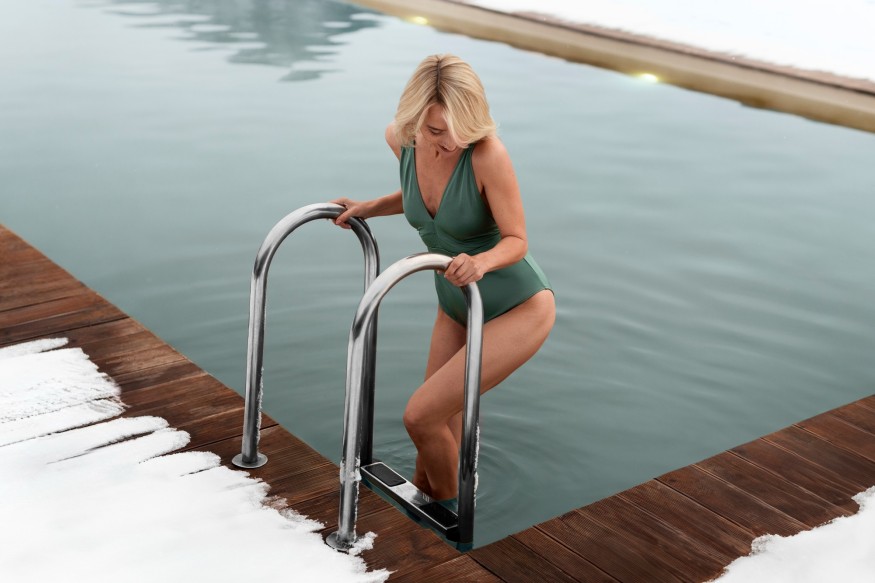
For many homeowners, swimming pools are associated with warm afternoons, summer entertaining, and outdoor relaxation. However, a growing interest in cold-water swimming and year-round wellness experiences is encouraging some pool owners to reconsider the traditional swimming season.
Instead of closing their pools when temperatures drop, some are exploring ways to keep the water accessible throughout the colder months. The idea may sound appealing, particularly for those interested in cold-water immersion, but maintaining a functioning pool during winter requires more than simply leaving the water in place.
Heating systems, water circulation, chemical balance, pool covers, and safe access all play important roles in keeping a pool operational. The costs can also vary considerably depending on the pool's size, location, and equipment.
According to experts interviewed by House Beautiful, homeowners should evaluate these considerations before deciding whether winter swimming is a practical investment.
Why More Homeowners Are Keeping Their Pools Open
Cold-water swimming has become increasingly associated with wellness routines, particularly among people interested in cold exposure and recovery practices.
The American College of Sports Medicine's 2026 Worldwide Fitness Trends report placed cold therapies, including cold plunges and cryotherapy, at number 17. This reflects growing interest in cold-based wellness activities, although it does not mean every homeowner needs a year-round swimming pool.
Karen Larson, co-founder of Soake Pools, told House Beautiful that winter swimming has become more visible as people see others enjoying the experience, including through social media.
However, the decision to keep a pool open should consider both practical and safety concerns. Cold-water immersion can trigger an immediate physiological response, including involuntary gasping, rapid breathing, and an increase in heart rate and blood pressure.
A 2025 systematic review published in PLOS ONE examined the effects of cold-water immersion and reported potential benefits involving stress, sleep, and quality of life. Nevertheless, cold exposure is not risk-free, and individual responses can differ.
What It Takes to Maintain a Pool During Winter
Keeping a swimming pool operational throughout winter requires consistent maintenance and appropriate equipment. The following considerations can help homeowners determine whether the investment makes sense.
1. An Efficient Pool Heating System
Heating is often the largest expense associated with keeping a pool open during colder weather.
According to Jim Eisch Jr., vice president of operations at Pinch A Penny Pool Patio Spa, interviewed by House Beautiful, routine maintenance generally remains similar throughout the year, although chemical consumption may decrease depending on how frequently the pool is used.
The heating system, however, can significantly affect operating costs.
Eisch provided estimates for a 10,000-gallon pool in Florida, placing annual heating expenses at approximately $2,467 for natural gas, $741 for a traditional heat pump, and $434 for an inverter heat/cool pump.
These figures are location-specific examples rather than universal estimates. Actual costs depend on electricity and fuel prices, outdoor temperatures, desired water temperature, and how frequently the pool is used.
Homeowners should compare the efficiency of different heating options before committing to year-round operation.
2. A Pool Cover That Retains Heat
A properly fitted pool cover can help reduce heat loss and limit debris entering the water.
This is particularly important during winter because exposed water loses heat to the surrounding air. Wind and colder nighttime temperatures can make maintaining a comfortable swimming temperature more expensive.
Smaller pools may benefit significantly from covers because their surface areas are easier to protect.
Larson notes that smaller cocktail pools and plunge pools can be more practical candidates for year-round use than conventional large swimming pools.
Automatic pool covers can make daily maintenance easier, although homeowners should consider installation costs and whether the mechanism is suitable for their pool.
3. Consistent Filtration and Water Chemistry
Winter operation does not eliminate the need for routine pool maintenance.
The filtration system must continue circulating water appropriately, while chemical levels need regular monitoring. Poor circulation can contribute to water quality problems, while imbalanced chemistry may affect swimmers and damage pool surfaces or equipment.
Larson recommends checking filtration regularly, monitoring water chemistry, and preparing for possible power outages.
Homeowners should follow manufacturer recommendations and consult pool professionals to establish an appropriate maintenance schedule.
4. A Backup Power Plan
Power interruptions can become particularly problematic when a pool depends on heating and circulation equipment.
If the pump stops operating, water may become stagnant, and freezing conditions can create additional risks for plumbing and equipment.
A properly sized backup generator may help maintain essential systems during an outage. However, generator installation and operation should follow applicable electrical and safety requirements.
Homeowners should also understand how to protect exposed pipes and equipment if temperatures approach freezing.
5. Safe Access Around the Pool
Maintaining the water is only one part of preparing a pool for winter. The surrounding outdoor area must also remain safe.
Neha Gupta, interior designer and founder of NU Curations, told House Beautiful that a clear route between the home and the pool is important.
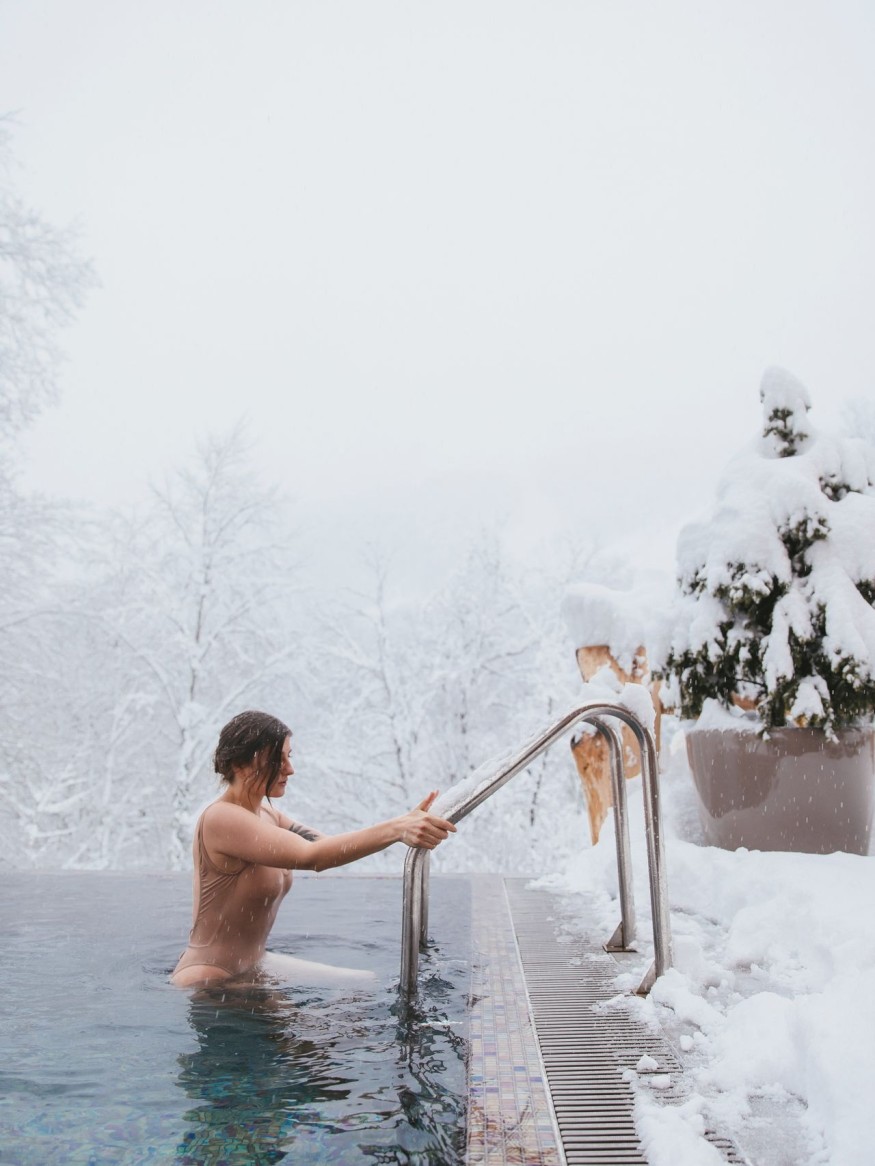
Nonslip surfaces, effective drainage, and sufficient lighting can help reduce the risk of slips and falls. In areas where ice or snow occurs, homeowners should also consider how swimmers will safely exit the water and return indoors.
Warm towels, accessible changing areas, and nearby shelter can make the experience more comfortable.
Is Every Swimming Pool Suitable for Winter Use?
Not necessarily. Pool size, climate, equipment, and operating costs all influence whether year-round swimming is realistic.
Large pools generally require more energy to heat, while smaller plunge pools can be easier to cover and maintain. Homes in regions with mild winters may also have an advantage over properties exposed to prolonged freezing temperatures.
Homeowners should consult a qualified pool technician before making modifications to heating, filtration, or plumbing systems.
What Homeowners Should Consider Before Winter Swimming
Keeping a pool open throughout winter can extend its usefulness, but the decision requires careful planning. Heating efficiency, water maintenance, protective covers, and safe access all contribute to the overall cost and practicality of the project.
Cold-water swimming should also be approached cautiously. Swimmers should acclimate gradually, avoid prolonged exposure, never swim alone, and seek medical advice before attempting cold immersion if they have cardiovascular conditions or other relevant health concerns.
Ultimately, a successful winter pool setup depends on more than maintaining a desirable water temperature. It requires a properly equipped, consistently maintained, and safe outdoor environment.
Frequently Asked Questions
1. Can a swimming pool stay open throughout winter?
Yes. A swimming pool can remain operational during winter with appropriate heating, filtration, water treatment, and protective covers. However, the feasibility depends on local temperatures, pool size, and equipment.
2. Is it expensive to heat a swimming pool during winter?
Heating costs vary depending on the pool's size, location, desired temperature, and heating system. Natural gas heaters and traditional heat pumps may have different operating costs from newer inverter systems.
3. Does a pool need regular maintenance during winter?
Yes. Pools that remain open require regular filtration checks, water chemistry monitoring, cleaning, and equipment inspections to maintain water quality and prevent damage.
4. Should a pool be covered when not in use during winter?
Yes. A properly fitted pool cover helps retain heat, reduce evaporation, and prevent debris from entering the water. It can also make ongoing maintenance more manageable.


Forget Stainless Steel: Colorful Ranges Are Becoming the Star of Designer Kitchens

Costco's 10 Best Holiday Décor Finds for a Designer-Looking Christmas

From Maximalism to Renovation Advice: 11 Interior Design Books Worth Reading in 2026

Mexico's COLECTIVO C733 Takes Home the Inaugural Siza Award for Public Architecture

&Matcha Three Yards Puts Philippine Interior Design on the Global Map


