Cold Minimalism Is Losing Ground. This Is What Designers Want Instead
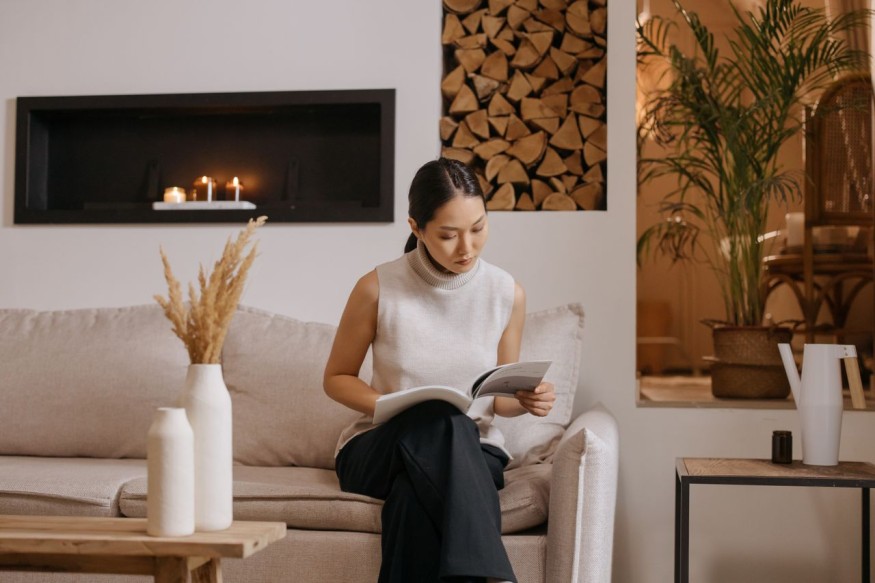
Minimalism is not disappearing from interiors, but its colder interpretation is increasingly being reconsidered. For years, minimalist spaces were associated with white walls, limited furnishings, sharp architectural lines and highly controlled palettes.
The aesthetic offered visual clarity and a sense of order, but contemporary designers are increasingly interested in retaining that restraint while making spaces feel warmer and more personal. The shift is often described as warm minimalism.
Minimalism Is Being Reinterpreted Rather Than Rejected
The current movement is not necessarily a rejection of minimalism itself. Instead, designers are separating two ideas that were once closely linked: simplicity and austerity.
A room can have very few objects without feeling empty. It can have clean architectural lines without appearing severe. It can use a restrained palette without relying exclusively on white, gray and black.
Warm minimalism keeps the editing process but changes the sensory experience. That means fewer objects, but better materials. Cleaner surfaces, but softer textures. Simpler furniture, but greater attention to comfort.
Natural Materials Are Replacing Glossy Surfaces
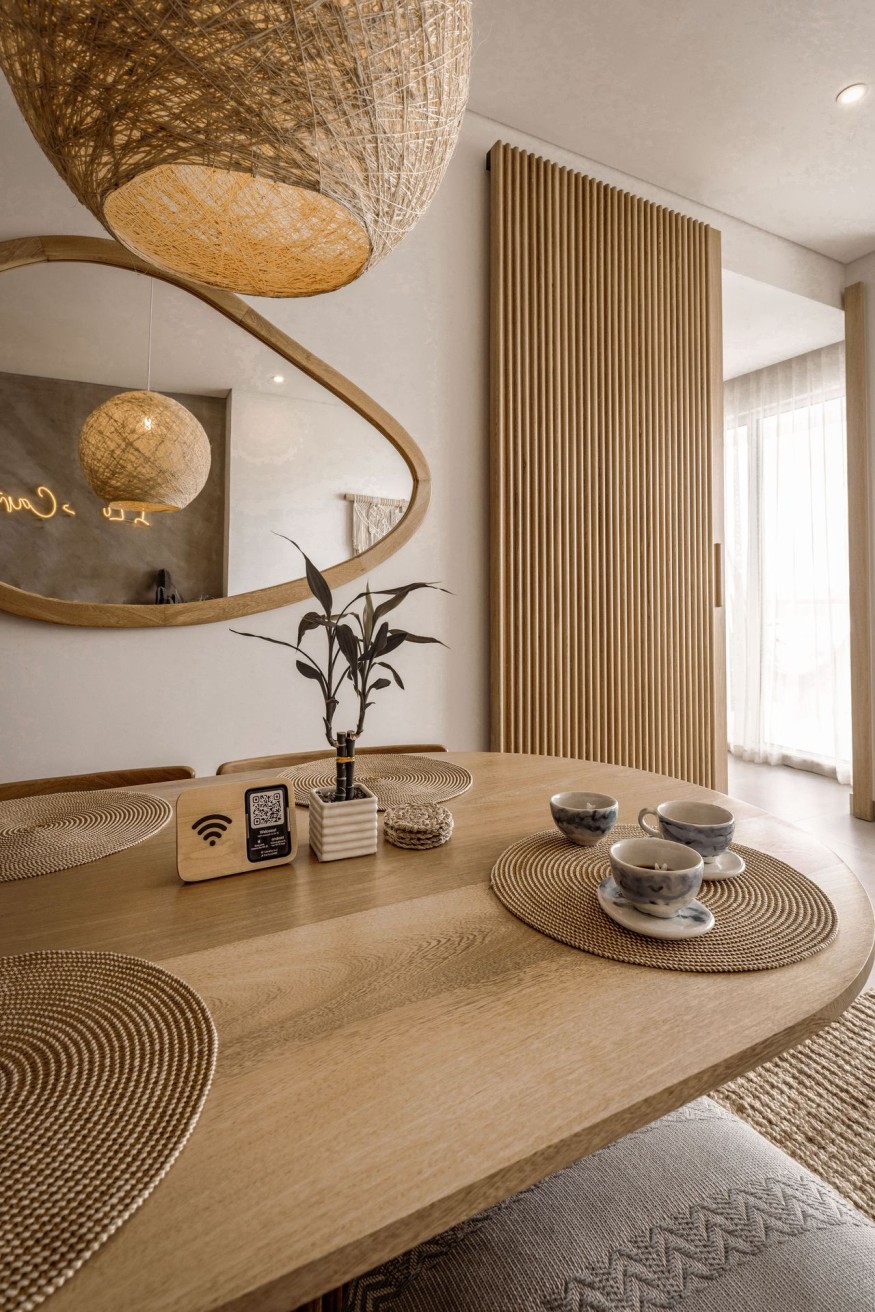
Materiality is central to this change. Wood, stone, plaster, linen, wool, rattan and ceramic bring visual variation to rooms without requiring excessive decoration. Their natural irregularities prevent large surfaces from looking completely uniform.
A pale oak cabinet, for example, can provide the visual simplicity of a minimalist built-in while introducing grain and warmth. Honed stone can replace a highly polished surface with something that feels quieter and more tactile.
The emphasis is increasingly on how materials age and feel rather than simply how pristine they look when new.
Color Is Getting Warmer
Cold minimalism often relied on a narrow palette of bright white, cool gray and black. Warm minimalism expands the range without becoming highly colorful.
Cream, sand, camel, taupe, clay, terracotta, olive and warm brown can all work within a restrained palette. Deeper colors may appear as accents through artwork, upholstery or cabinetry. This approach allows a room to remain visually calm while avoiding the clinical quality that can occur when every surface is starkly neutral.
Curves Are Softening Architectural Lines
Furniture silhouettes are changing too. Sharp, angular pieces remain available, but curved sofas, rounded chairs, circular tables and sculptural forms have become increasingly common. Curves can soften the visual language of a room while maintaining a relatively restrained furniture count.
This is particularly effective in living rooms, where comfort is usually a primary function. A large upholstered sofa with rounded corners can become the room's central feature without requiring numerous decorative accessories.
Lighting Has Become More Atmospheric
Cold minimalism often depended heavily on recessed ceiling lighting. Contemporary warm interiors are increasingly layered. Table lamps, floor lamps, wall sconces, pendants and indirect lighting can create different levels of illumination throughout the room.
The approach also encourages homeowners to think about lighting as an atmospheric tool rather than merely a functional necessity. A warm, low-level lamp can make a room feel entirely different from the same room under bright overhead lighting.
Personal Objects Are Finding Their Way Back In
Perhaps one of the clearest changes is the return of personal items. Highly minimalist interiors can sometimes prioritize visual consistency over individuality. Current interiors increasingly allow books, artwork, inherited objects, travel finds and collections to become part of the design.
The key is editing. Warm minimalism does not require filling every shelf. Instead, a small number of meaningful objects can create more personality than a large collection of generic accessories.
This also makes the approach more sustainable because it can encourage homeowners to work with pieces they already own rather than continually replacing decor to match a trend.
How to Warm Up a Minimalist Home
- Swap cold finishes for natural ones. Consider wood, stone, plaster, linen and wool.
- Introduce warmer neutrals. Cream, taupe, sand and earthy browns can soften a stark palette.
- Layer lighting. Add table lamps, sconces and floor lamps to supplement ceiling fixtures.
- Choose comfortable silhouettes. Rounded upholstery can soften an otherwise angular room.
- Display meaningful objects. A few personal pieces can make a restrained room feel inhabited.
The Future of Minimalism May Be More Human
The movement away from cold minimalism does not mean that cluttered interiors are replacing clean-lined spaces. Instead, designers are exploring a middle ground in which restraint and comfort can coexist.
That shift reflects a broader understanding of what a home needs to accomplish. It should provide order, but it should also support everyday life.
Warm minimalism offers one way to achieve both. By using natural materials, tactile surfaces, atmospheric lighting and personal objects, designers can maintain the visual discipline associated with minimalism while creating interiors that feel more welcoming and lived in.
Frequently Asked Questions
1. What is cold minimalism?
Cold minimalism generally refers to highly restrained interiors dominated by sparse furnishings, cool neutral colors, hard surfaces and limited decorative elements.
2. What is warm minimalism?
Warm minimalism retains minimalism's emphasis on simplicity and edited spaces while introducing natural materials, warmer colors, texture and greater attention to comfort.
3. Is minimalism still popular in 2026?
Minimalism remains influential, but current interpretations increasingly incorporate warmer materials, softer forms and more personalized details.
4. How can a minimalist home feel less cold?
Adding wood, textured textiles, warmer lighting, natural stone, curved furniture and meaningful personal objects can make a minimalist room feel more inviting.


Staud Home Has Arrived With Playful Ceramics, Leather Goods and More

Don't Leave Your Empty Fireplace Bare: Designers Share What to Do Instead

The Essential Guide to Designing a Root Cellar for Winter Produce

5 Home Decor Items Interior Designers Skip, and What They Choose Instead

10 Low-Light Houseplants That Can Thrive in Your Home's Shadiest Corners


