Placemats Are Losing Their Appeal. These 5 Alternatives Make Dining Tables Look More Expensive
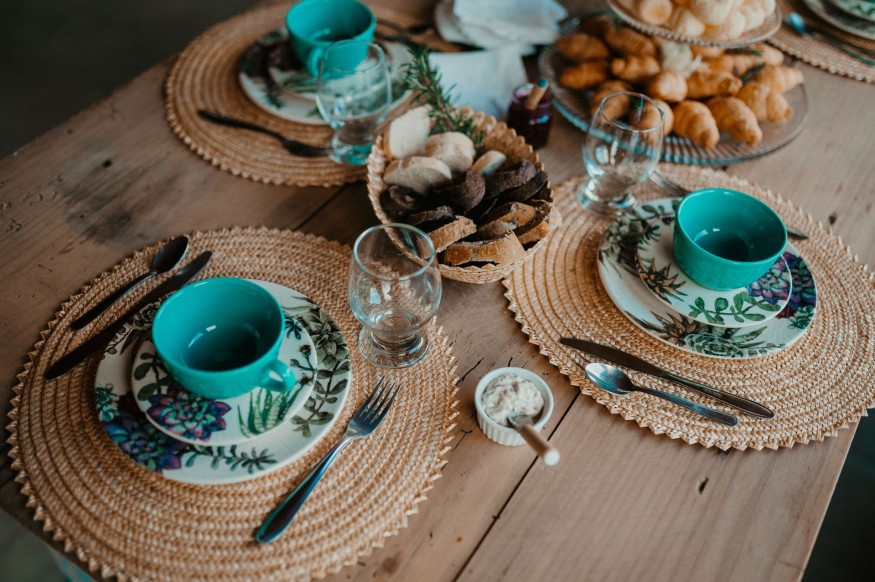
Placemats have long been a dining table staple, offering an easy way to introduce color, texture, and personality while protecting surfaces from spills and scratches. From woven rattan designs to embroidered linen styles, they have traditionally played an important role in creating a polished tablescape. However, some interior designers are beginning to rethink their place in modern dining rooms.
Rather than relying on individual mats to define every setting, designers are increasingly exploring alternatives that create a more cohesive and layered appearance. Tablecloths, charger plates, decorative napkins, and personalized place cards are among the details receiving renewed attention.
The shift does not necessarily mean placemats have become obsolete. Instead, it reflects a growing preference for dining arrangements that feel less structured and more thoughtfully assembled. As entertaining becomes an opportunity to express personal style, the focus is moving toward how individual elements work together rather than treating each place setting as a separate decorative arrangement.
Why Some Designers Are Moving Away From Placemats
One reason designers are reconsidering placemats is their tendency to visually divide a dining table. Although individual mats create a defined space for each guest, they can interrupt the appearance of an otherwise beautiful tabletop, particularly when the table itself features distinctive wood grain, stone, or decorative finishes.
Mallory Robins, co-founder of Kansas City-based design studio Kobel + Co, explained in an interview with House Beautiful that placemats can sometimes chop up a table visually. Her preferred alternative is a beautiful tablecloth layered with charger plates, which creates a more continuous foundation while still giving each guest a designated setting.
Designer Sarah Stacey shares a similar preference, explaining that oversized or bulky placemats can sometimes make tablescapes feel less flexible. Tablecloths, on the other hand, provide more room to experiment with dinnerware, centerpieces, and decorative accessories.
However, the preference is not universal. Designer Johanna Lyle of Jo Lyle & Co continues to appreciate placemats for their ability to introduce texture and pattern while protecting tablecloths from everyday messes.
The conversation is therefore less about eliminating placemats entirely and more about choosing table accessories that complement the overall dining room aesthetic.
What Designers Are Using Instead of Placemats
For homeowners interested in refreshing their dining tables, several alternatives can provide the same decorative appeal without making individual place settings feel overly segmented.
1. Layered Tablecloths
A tablecloth is one of the most straightforward alternatives to traditional placemats. Instead of covering only the area beneath each dinner plate, it creates a continuous decorative foundation across the entire table.
Linen, cotton, and textured woven fabrics are particularly versatile because they can introduce subtle dimension without overwhelming the rest of the arrangement. Neutral shades such as ivory, oatmeal, and soft taupe work well in understated interiors, while patterned fabrics can bring personality to more traditional dining spaces.
Tablecloths also offer practical benefits, protecting the tabletop from scratches, spills, and heat-related marks when paired with suitable serving accessories.
2. Decorative Charger Plates
Charger plates are another designer-favored alternative. Traditionally placed underneath dinner plates, they provide an additional layer that makes a table setting feel more intentional.
Unlike placemats, chargers create a defined place setting through the shape and material of the plate itself. Metallic finishes, ceramic designs, woven textures, and natural stone-inspired styles can all contribute to different dining room aesthetics.
They are particularly effective when paired with simple dinnerware because the additional layer introduces visual interest without requiring elaborate decorations.
3. Linen Napkins
For hosts who still want fabric details, linen napkins provide an easy way to introduce texture and color.
They can be folded neatly beside dinner plates, draped casually across the table, or styled with decorative napkin rings. Their softer appearance also works particularly well with natural materials, including wooden tables, ceramic dinnerware, and glass accessories.
Choosing napkins in complementary colors rather than matching every element can make the arrangement feel more collected and personal.
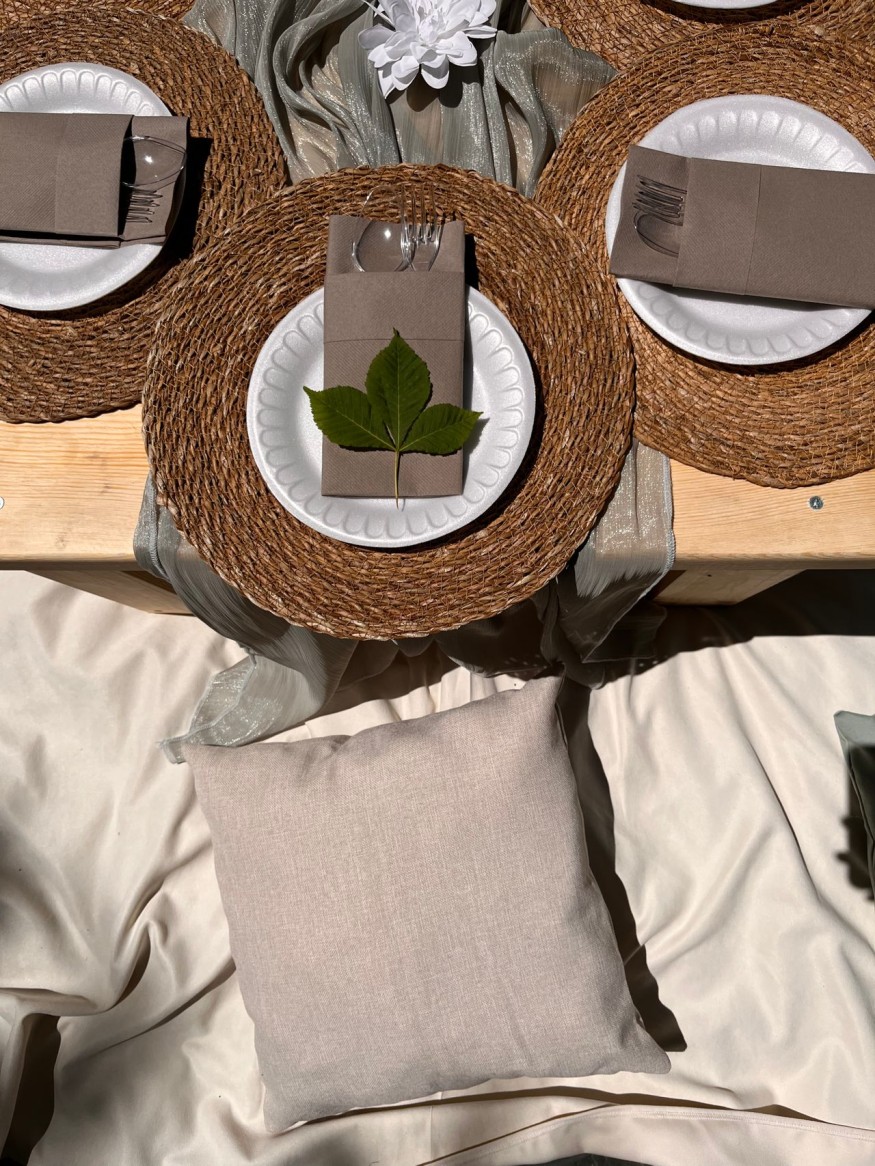
4. Decorative Place Cards
Place cards offer something placemats cannot: a personalized experience for guests.
According to Robins, place cards can help hosts organize seating arrangements while making guests feel welcomed. They also introduce a decorative detail that can be customized for different occasions.
Handwritten cards, miniature framed notes, and sculptural holders can all contribute to the tablescape. For formal dinners, they can be coordinated with the menu or floral arrangement to create a cohesive presentation.
5. Natural Table Surfaces
Another approach is to let the dining table itself become the main decorative feature. This works particularly well with solid wood, marble, and other distinctive materials that deserve to remain visible.
A simple arrangement of dinnerware, glassware, candles, and a centerpiece can create an elegant setting without requiring additional layers beneath every plate.
Homeowners who prefer this approach should still consider practical protection, particularly when serving hot dishes or using delicate tabletop finishes.
Are Placemats Completely Out of Style?
Despite the renewed interest in alternative table accessories, placemats are not necessarily disappearing from contemporary dining rooms.
In fact, Architectural Digest continues to highlight placemats as useful decorative pieces, showcasing designs that range from embroidered textiles to natural fibers and sculptural silhouettes. This suggests that the accessory still has a place in modern entertaining, particularly when its material and proportions complement the table.
The key is selecting placemats that enhance rather than compete with the rest of the arrangement. Oversized designs may feel visually heavy on smaller tables, while overly decorative patterns can clash with statement dinnerware.
For everyday dining, washable and durable options remain practical choices. For special occasions, more elaborate materials can help establish a distinct atmosphere.
A More Personal Approach to Modern Tablescapes
The changing conversation around placemats reflects a broader interest in dining spaces that feel personal, relaxed, and thoughtfully layered. Whether homeowners choose tablecloths, charger plates, linen napkins, or uncovered tabletops, the most successful arrangements are those that balance appearance with everyday functionality.
Rather than following a strict decorating rule, designers are encouraging hosts to consider the dining table as a complete composition. Placemats can still be part of that picture, but they no longer have to be the starting point.
Frequently Asked Questions
1. Are placemats going out of style?
Placemats are not completely outdated, but some designers are moving toward more layered tablescapes featuring tablecloths, charger plates, and decorative linens.
2. What can be used instead of placemats?
Popular alternatives include linen tablecloths, charger plates, fabric napkins, decorative runners, and uncovered natural wood tabletops.
3. Are tablecloths more stylish than placemats?
Tablecloths can create a more cohesive and layered appearance because they cover the entire dining surface rather than defining individual place settings. However, the best choice depends on the table's material and overall decorating style.
4. Are placemats still appropriate for formal dining?
Yes. Placemats remain appropriate for formal and casual dining. Choosing refined materials such as linen, leather, or woven natural fibers can make them feel more sophisticated.


Forget Stainless Steel: Colorful Ranges Are Becoming the Star of Designer Kitchens

Costco's 10 Best Holiday Décor Finds for a Designer-Looking Christmas

From Maximalism to Renovation Advice: 11 Interior Design Books Worth Reading in 2026

Mexico's COLECTIVO C733 Takes Home the Inaugural Siza Award for Public Architecture

&Matcha Three Yards Puts Philippine Interior Design on the Global Map


