Smart Home Technology for Modern Homes: Top Features, Smart Home Design, and Automation Ideas
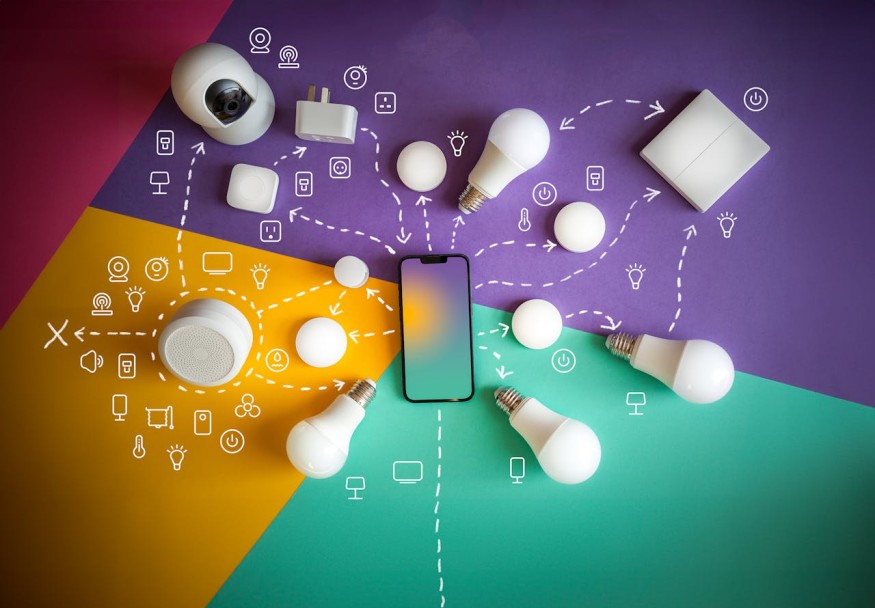
Smart home technology has moved far beyond simple voice assistants and connected light bulbs. Today's homeowners can create highly functional living spaces that improve comfort, security, convenience, and energy management through carefully selected smart devices. Whether upgrading a single room or planning a whole-home system, choosing the right products is essential for building a seamless connected home.
This guide explores must-have smart home products, practical home automation ideas, and smart home design considerations that can help transform an ordinary house into a modern, connected living environment.
What Is Smart Home Technology?
Smart home technology refers to devices that connect to the internet and communicate with one another through a centralized platform or app. These products can be controlled remotely, automated based on schedules, or activated through voice commands.
The most effective smart home design focuses on products that work together smoothly, creating a connected home that simplifies daily life instead of adding complexity.
Smart Security Products Every Home Should Consider
Security remains one of the strongest reasons homeowners invest in smart home technology. Modern security devices offer real-time visibility and remote control from virtually anywhere.
Recommended products include:
- Google Nest Doorbell
- Ring Battery Doorbell Plus
- Arlo Pro 5 Security Camera
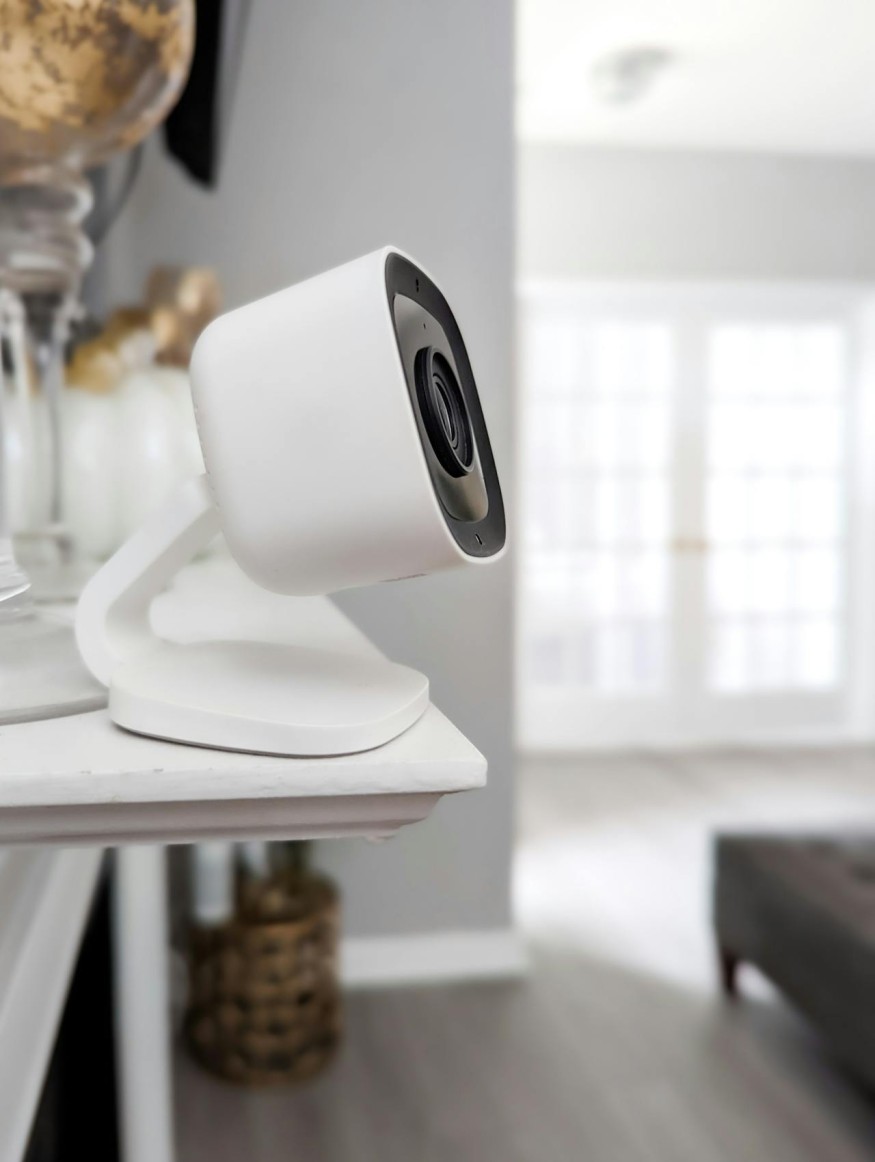
- Google Nest Cam (Outdoor or Indoor)
- Yale Assure Lock 2
- Schlage Encode Smart WiFi Deadbolt
These devices allow homeowners to monitor entrances, receive alerts, manage access remotely, and review recorded footage directly from a smartphone.
Why Smart Security Matters
A connected home security system can:
- Provide instant notifications when activity is detected
- Allow remote door access for guests or service providers
- Help monitor deliveries
- Increase awareness when homeowners are away
Smart Lighting That Enhances Everyday Living
Lighting is one of the easiest entry points into home automation. Smart lighting improves convenience while contributing to a more flexible and attractive interior environment.
Popular smart lighting products include:
- Philips Hue White and Color Ambiance Bulbs
- Lutron Caséta Smart Dimmer Switch
- Nanoleaf Essentials Smart Bulbs
- Govee Smart LED Light Strips
- TP-Link Kasa Smart Light Switches
These products allow users to create schedules, adjust brightness, control lighting remotely, and set different moods for work, relaxation, or entertaining.
Home Automation Ideas Using Smart Lighting
- Turn lights on automatically at sunset
- Create movie-night lighting scenes
- Simulate occupancy during vacations
- Dim lights automatically before bedtime
Smart Thermostats for Comfort and Efficiency
Climate control is another category where smart home technology delivers noticeable benefits. Smart thermostats can learn routines and automatically adjust temperatures throughout the day.
Top choices include:
- Google Nest Learning Thermostat
- Ecobee Smart Thermostat Premium
- Honeywell Home T9 Smart Thermostat
- Amazon Smart Thermostat
Key advantages include:
- Remote temperature control
- Customized schedules
- Occupancy-based adjustments
- Integration with voice assistants
These features help create a more comfortable environment while reducing unnecessary heating and cooling.
Smart Speakers and Home Hubs
A connected home often relies on a central control system that allows devices to work together.
Popular smart home hubs and speakers include:
- Amazon Echo (4th Gen)
- Amazon Echo Show 8
- Google Nest Audio
- Google Nest Hub Max
- Apple HomePod (2nd Generation)
These devices act as command centers for smart home technology, enabling voice control and automation routines across multiple devices.
Useful Automation Examples
A simple voice command can:
- Lock doors
- Turn off lights
- Lower the thermostat
- Activate security systems
- Start music throughout the home
Smart Appliances Worth Adding
Today's appliances offer more than basic functionality. Smart features help streamline household tasks and improve convenience.
Recommended smart appliances include:
Kitchen
- Samsung Bespoke Smart Refrigerator
- LG InstaView Refrigerator
- Breville Joule Smart Oven Air Fryer Pro
Cleaning
- Roborock S8 MaxV Ultra
- iRobot Roomba Combo j9+
- Dyson 360 Vis Nav
Laundry
- LG ThinQ Smart Washer and Dryer
- Samsung Smart Dial Washer and Dryer
These products allow homeowners to monitor performance, receive maintenance alerts, and manage tasks remotely.
Smart Home Design Tips for Product Placement
Successful smart home design requires strategic planning. Simply purchasing devices is not enough.
Consider the following:
Prioritize Strong WiFi Coverage
Smart devices depend on reliable connectivity. Mesh WiFi systems can improve performance throughout the home.
Recommended systems include:
- eero Pro 6E
- Google Nest WiFi Pro
- TP-Link Deco XE75
Choose a Single Ecosystem
Building around one primary platform often simplifies management.
Common ecosystems include:
- Apple HomeKit
- Google Home
- Amazon Alexa
Plan for Future Expansion
Select products that support Matter, the growing smart home standard designed to improve compatibility across brands.
Creating a Fully Connected Home
The most effective connected home combines multiple systems into a seamless experience.
For example, a "Leaving Home" automation could:
- Lock all doors.
- Turn off interior lights.
- Adjust the thermostat.
- Activate security cameras.
- Close smart blinds.
Products that support these automations include:
- SwitchBot Curtain 3
- Aqara Smart Sensors
- Philips Hue Lighting
- Ecobee Smart Thermostat
- Yale Assure Lock 2
When integrated properly, smart home technology can create routines that work automatically in the background.
The Best Smart Home Technology Investments for Long-Term Value
Building a connected home does not require purchasing every device at once. Many homeowners start with smart lighting, security devices, and a voice assistant before expanding into advanced automation. By selecting compatible products and incorporating thoughtful smart home design principles, it becomes easier to create a home that is secure, comfortable, efficient, and ready for future innovations. Smart home technology continues to evolve, making today's investments increasingly valuable as new devices and automation capabilities emerge.
Frequently Asked Questions
1. What is the best smart home technology for beginners?
Smart speakers such as the Amazon Echo or Google Nest Hub, along with smart bulbs like Philips Hue, are often the easiest starting points because they are simple to install and use.
2. Which smart thermostat is considered one of the best options?
The Google Nest Learning Thermostat and Ecobee Smart Thermostat Premium are frequently recommended due to their automation features, user-friendly controls, and broad compatibility.
3. What products are needed to create a connected home?
Most connected homes start with a smart hub or voice assistant, smart lighting, security devices, a thermostat, and reliable WiFi infrastructure.
4. How can homeowners improve smart home design?
Focus on device compatibility, network coverage, strategic product placement, and automation routines that support everyday habits rather than adding unnecessary complexity.


Rotundas, Towers, and Turrets: The Architectural Details That Make Buildings Stand Out

The Growing Appeal of Multigenerational Home Design: How to Create Space for Every Generation

Building Atriums Becoming Social Spaces Instead of Empty Voids

The Forgotten Space Under the Stairs Can Become One of the Most Useful Areas in a Home

Flexible Rooms Are Changing Modern Home Design. Here's How to Make Them Work


