The First 7 Things Pro Organizers Declutter to Make Small Spaces Feel Instantly Bigger
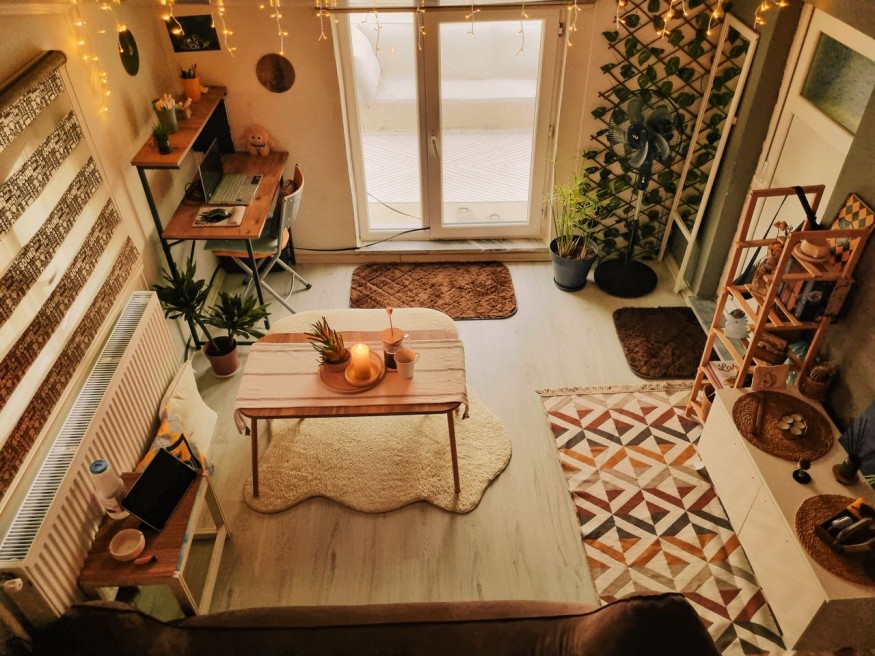
Small homes, apartments, and studio spaces can feel cozy and inviting, but they also fill up quickly. Even a few unnecessary items can make a room appear crowded, reduce storage, and make everyday routines more stressful. While many people focus on buying bins, baskets, and shelving, professional organizers often recommend a different first step. Before adding more storage, remove the items that no longer serve a purpose.
The best organizing tips begin with thoughtful decluttering. Once unnecessary belongings are gone, it becomes much easier to create a functional home using practical small space hacks instead of expensive furniture or remodeling projects. Here are seven things organizing experts often suggest letting go of to reclaim valuable space.
1. Oversized Furniture That Takes Over the Room
Large furniture may look beautiful in a showroom, but it can overwhelm a compact home. An oversized sectional, bulky coffee table, or wide entertainment center limits movement and makes a room feel smaller than it actually is.
Professional organizers recommend choosing furniture that fits the scale of the room. Pieces with slim profiles, raised legs, or built-in storage create a more open appearance while still providing everyday function. Swapping one oversized item for a more appropriately sized alternative often has a bigger impact than adding more storage containers.
2. Duplicate Kitchen Gadgets You Rarely Use
Kitchen cabinets often become crowded with multiple versions of the same tool. Extra measuring cups, duplicate spatulas, several can openers, or specialty gadgets that are only used once a year can quickly consume valuable storage.
Instead of keeping every appliance and utensil, organizers recommend evaluating what is used regularly. Multipurpose tools save space while making cooking easier. Keeping only the essentials also makes cabinets easier to organize and maintain over time.
3. Decorative Accessories That Create Visual Clutter
Decorating adds personality to a home, but displaying too many decorative objects can have the opposite effect in a small space. Shelves filled with collectibles, candles, picture frames, and seasonal décor often make a room feel busy instead of relaxing.
Rather than displaying every favorite piece at once, professional organizers suggest editing decorative collections. Rotating accessories throughout the year keeps the home feeling fresh while preventing surfaces from becoming overcrowded. A few carefully chosen pieces usually have a stronger visual impact than dozens of smaller items.
4. Clothes That Have Not Been Worn in a Long Time
Closets are among the fastest places for clutter to build up. Clothing that no longer fits, does not match a person's lifestyle, or has not been worn for a long period takes up valuable storage that could be used for everyday essentials.
Regular wardrobe reviews make it easier to identify items worth donating, selling, or recycling. This approach also makes getting dressed simpler because the closet contains pieces that are actually worn instead of forgotten purchases.
5. Storage Bins Filled With "Just in Case" Items
Storage bins are useful, but they can also become hiding places for clutter. Boxes filled with random cables, outdated electronics, old paperwork, or miscellaneous household items often remain untouched for years.
Professional organizers recommend asking whether each stored item has a realistic purpose. If it has not been needed despite being stored for a long time, it may be time to let it go. Storage should protect important belongings, not postpone decluttering decisions.
What is the fastest way to declutter a small space?
The quickest way is to focus on one small area at a time instead of trying to organize an entire home in one day. Organizers often recommend beginning with a single drawer, shelf, or cabinet, removing everything, and only returning items that are useful or meaningful. Small, manageable sessions create steady progress and are easier to maintain.
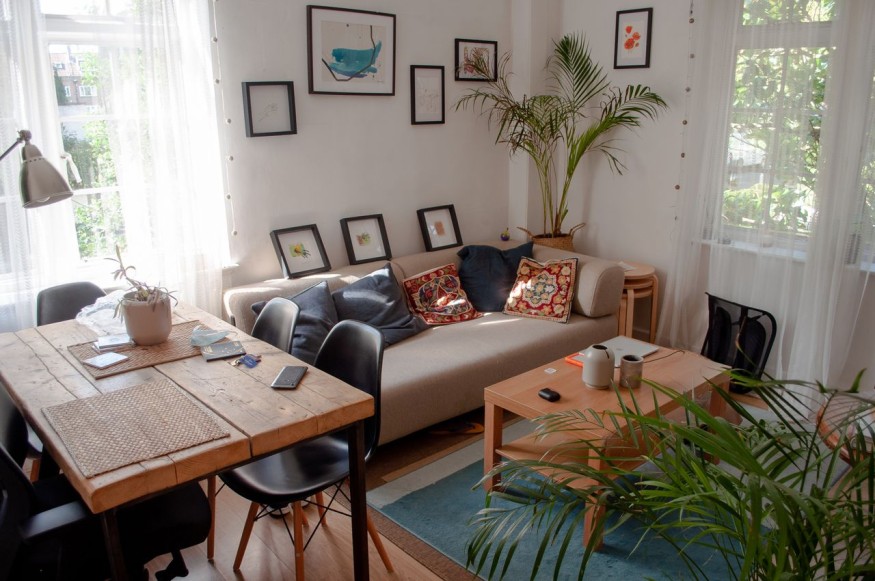
6. Paper Piles That Keep Growing
Mail, receipts, instruction manuals, school papers, and old documents can accumulate surprisingly fast. Without a system, these papers spread across kitchen counters, desks, and tables, creating constant visual clutter.
A simple filing system combined with digital copies of important documents can significantly reduce paper storage. Recycling junk mail immediately and shredding outdated paperwork also prevents piles from growing again.
7. Empty Boxes and Packaging You No Longer Need
Many people keep product boxes because they think they might need them someday. While it makes sense to save packaging for recent purchases until return periods expire, keeping boxes for years rarely serves a practical purpose.
Phone boxes, appliance packaging, shoe boxes, and shipping cartons can quickly fill closets and shelves. Unless they have a specific purpose, recycling these boxes frees up valuable storage without affecting daily life.
Small Space Hacks Professional Organizers Recommend
Creating an organized home does not always require expensive storage systems. Many experts rely on simple habits that help prevent clutter from returning.
- Choose furniture that offers hidden storage whenever possible.
- Store everyday items close to where they are used.
- Make use of vertical wall space with shelves or hooks.
- Follow a one item in, one item out habit for frequently purchased belongings.
- Spend a few minutes each week putting misplaced items back where they belong.
These practical small space hacks work because they focus on daily routines instead of one time organizing projects. Combined with consistent organizing tips, they help maintain a home that feels tidy and functional throughout the year.
Smart Organizing Tips That Help Small Spaces Feel Bigger
Professional organizers agree that the secret to maximizing a small home is not finding room for everything. It is deciding what deserves a place in the home in the first place. Removing oversized furniture, duplicate items, unused clothing, unnecessary papers, and forgotten storage bins creates space that no storage product can provide on its own.
When clutter is reduced, every room becomes easier to clean, navigate, and enjoy. Pairing thoughtful decluttering with practical organizing habits allows even the smallest living spaces to feel more comfortable, efficient, and welcoming.
Frequently Asked Questions
1. How often should a small home be decluttered?
Many professional organizers recommend reviewing belongings every season while tidying high traffic areas weekly to prevent clutter from building up.
2. What room should be organized first in a small home?
Starting with the area that causes the most daily frustration, such as the kitchen, entryway, or bedroom closet, often provides the quickest sense of progress.
3. Do storage bins solve clutter problems?
Storage bins are helpful for organizing necessary belongings, but they should not be used to hide items that no longer have a purpose.
4. What are the best small space hacks for apartments?
Using multifunctional furniture, maximizing vertical storage, reducing duplicate items, and maintaining regular decluttering habits are among the most effective ways to make a small apartment feel larger and more organized.


Is Your Wall Paint Looking Dull? Here's Why It Happens and How to Bring Your Walls Back to Life

Inside Madrid's Brand-New F1 Circuit: The Designer Explains the Dramatic Ideas Behind the Madring

MAD's Lucas Museum Is Set to Open in Los Angeles on September 22

Paris Design Week 2026 Is Underway and Is Bringing New Energy to the Design Scene

Glidden's New 2027 Color of the Year Makes a Strong Case for Smoky Blue


