These Interior Design Tips Will Transform Layered Home Decor Into a Cozy, Inviting Space
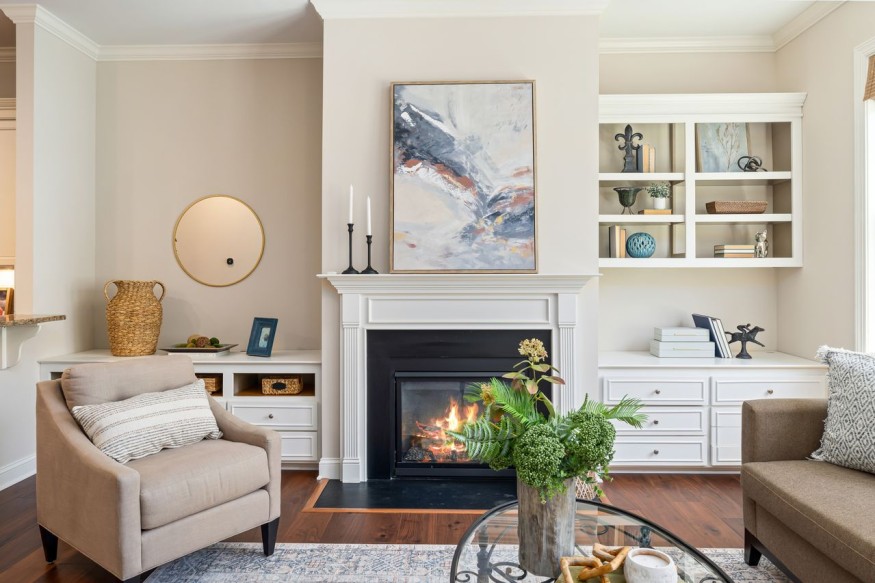
A well designed room rarely comes together because of one expensive sofa or a single statement light fixture. Instead, it feels inviting because every element works together to create warmth, personality, and depth. This is where layered home decor makes all the difference. Layering is the art of combining textures, colors, lighting, furniture, and decorative accents so a space feels collected instead of staged.
Many professional designers rely on simple interior design tips rather than dramatic renovations to transform a room. Thoughtfully placed accessories, natural materials, and varied finishes can make even the most minimal space feel welcoming. For homeowners wondering how to make a room feel cozy without filling it with clutter, the answer often lies in adding visual depth rather than adding more things.
What Is Layered Home Decor?
Layered home decor refers to decorating with intention by building a room piece by piece. Instead of relying on matching furniture sets, designers mix materials, shapes, finishes, and decorative objects to create visual interest.
A layered room often includes soft textiles, natural wood, metal accents, greenery, artwork, and varied lighting sources. Each element contributes something different while still supporting a cohesive style.
The goal is balance. Every object should have a purpose, whether it adds comfort, texture, function, or personality. When done well, layered home decor creates spaces that feel lived in, timeless, and comfortable.
Read more: Art Deco Meets Luxury Furniture in Louis Vuitton's New Cocoon Chair at Milan Design Week 2026
How Can You Make a Room Feel Cozy Without Adding Clutter?
One of the biggest misconceptions about cozy interiors is that they require filling every surface with decorations. In reality, thoughtful styling often creates a greater sense of warmth than overcrowded shelves.
A cohesive color palette helps establish harmony from the beginning. Soft neutrals, earthy tones, or muted colors create a calming foundation, while subtle contrasts keep the room from feeling flat.
Texture also plays a significant role. Mixing woven baskets, soft throws, linen curtains, and upholstered furniture creates depth that appeals to both the eye and the sense of touch.
Negative space is equally important. Leaving room around furniture and accessories allows each design element to stand out while making the room feel open and comfortable.
Layer Different Textures for Lasting Warmth
Among the most valuable interior design tips is learning to layer texture rather than simply adding more color.
A plush area rug placed over hardwood flooring immediately softens a room. Linen drapes bring movement to windows, while velvet or boucle pillows introduce contrast on a fabric sofa. Leather accents paired with natural wood add richness without overwhelming the space.
Texture becomes even more important in neutral interiors. When a room relies on shades of white, beige, gray, or taupe, varying the materials prevents the design from feeling one dimensional.
Natural fibers such as jute, cotton, wool, and rattan work especially well because they introduce warmth while remaining versatile enough to complement many decorating styles.
Why Is Lighting Essential for a Cozy Home?
Lighting influences how every other design detail is experienced. Even beautifully decorated rooms can feel cold when illuminated by a single overhead fixture.
Designers typically combine multiple light sources to create dimension throughout the day and evening. Table lamps soften corners, floor lamps brighten reading areas, and wall sconces add architectural interest.
Warm lighting enhances wood finishes, textiles, and artwork while creating a welcoming atmosphere. Decorative candles also contribute both ambient light and visual warmth.
Natural daylight should not be overlooked either. Lightweight window treatments allow sunlight to filter through while maintaining privacy, making rooms feel brighter and more inviting.
Bring Nature Indoors for Organic Warmth
Natural materials instantly make interiors feel more comfortable and grounded. Wood furniture, stone accessories, ceramic vases, woven baskets, and linen fabrics create subtle variation that adds depth without appearing busy.
Indoor plants introduce another layer that changes with the seasons. Whether it's a large fiddle leaf fig in the corner or fresh greenery arranged on a dining table, living plants soften hard edges and bring movement into a room.
Even smaller natural accents such as dried branches, handcrafted pottery, or marble trays contribute to a collected look that feels authentic instead of overly decorated.
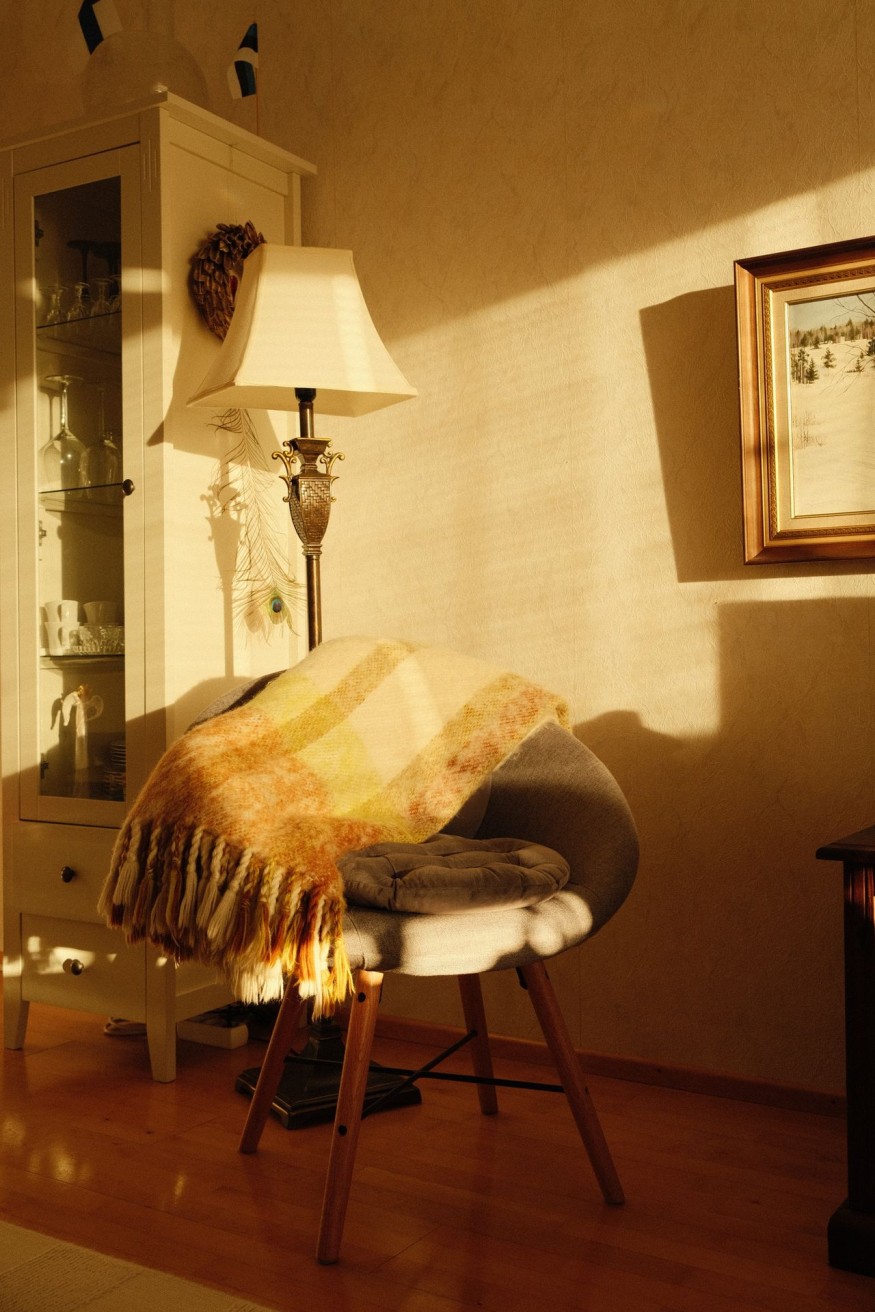
Decorative Details That Bring a Room to Life
Sometimes the smallest finishing touches have the greatest impact. These interior design tips help create depth without requiring a complete redesign.
- Layer artwork instead of hanging every piece at the same height.
- Style coffee tables with books, candles, and decorative trays.
- Mix vintage finds with newer furniture for character.
- Hang curtains higher and wider to make windows appear larger.
- Use mirrors to reflect natural light and visually expand the room.
These details encourage the eye to travel naturally throughout the space while adding personality that cannot be achieved through furniture alone.
What Decorating Mistakes Make a Room Feel Flat?
Many homes feel unfinished because every piece looks too similar. Matching furniture collections often eliminate the contrast that gives rooms character.
Another common mistake is relying only on overhead lighting. Without secondary light sources, shadows become harsh and the room loses visual depth.
Scale also matters. Tiny artwork placed above a large sofa or small accessories scattered across oversized furniture can make a room feel disconnected. Choosing decor that suits the proportions of the space creates a stronger sense of balance.
Finally, resist the urge to buy every decorative item at once. Rooms naturally become more layered over time as meaningful objects, travel souvenirs, family heirlooms, and favorite books are added. This gradual approach often results in interiors that feel more personal and timeless.
Interior Design Tips That Make Every Room Feel Cozy and Collected
Beautiful interiors are rarely defined by expensive furniture or perfectly coordinated accessories. Instead, they reflect thoughtful choices that balance texture, lighting, natural materials, and personal touches. Layered home decor allows each room to evolve naturally while remaining functional and welcoming. For anyone wondering how to make a room feel cozy, focusing on these simple interior design tips can transform even the simplest space into one that feels warm, lived in, and full of character.
Frequently Asked Questions
1. What is layered home decor?
Layered home decor is a decorating approach that combines different textures, materials, lighting, colors, and accessories to create depth, warmth, and visual interest while maintaining a cohesive overall style.
2. How can someone make a room feel cozy on a budget?
Simple updates such as adding textured throw blankets, area rugs, table lamps, indoor plants, and decorative pillows can make a room feel cozier without requiring a major renovation.
3. Why is lighting important in interior design?
Lighting affects the mood, highlights architectural features, enhances textures, and helps create a comfortable atmosphere. Using multiple light sources produces a more inviting space than relying on a single ceiling fixture.
4. What materials work best for layered home decor?
Natural materials such as wood, linen, cotton, wool, rattan, stone, leather, and ceramics are excellent choices because they introduce texture, warmth, and timeless appeal to almost any interior style.


Is Your Wall Paint Looking Dull? Here's Why It Happens and How to Bring Your Walls Back to Life

Inside Madrid's Brand-New F1 Circuit: The Designer Explains the Dramatic Ideas Behind the Madring

MAD's Lucas Museum Is Set to Open in Los Angeles on September 22

Paris Design Week 2026 Is Underway and Is Bringing New Energy to the Design Scene

Glidden's New 2027 Color of the Year Makes a Strong Case for Smoky Blue


