Cabbagecore Is Here: How the Quirky Trend Is Giving Cottagecore a Whimsical Update
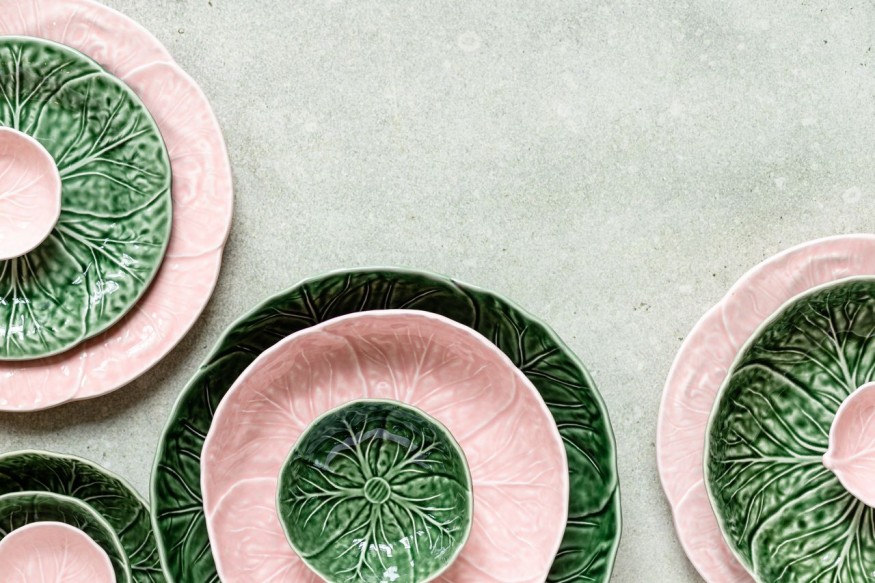
For years, cottagecore has shaped the way people decorate with vintage florals, rustic materials, pastoral references, and a romantic sense of nostalgia. Now, a much quirkier aesthetic is entering the conversation. Cabbagecore, a decorating trend built around cabbage and lettuce motifs, is bringing leafy ceramics, sculptural tableware, and playful botanical details into contemporary homes.
The trend is part of a broader shift toward nostalgic and expressive interiors. Cabbage-inspired ceramics have historical roots, but their current revival feels distinctly modern, helped by interest on Pinterest and TikTok and the growing appetite for more playful home decor trends 2026. ELLE Decor describes cabbagecore as a whimsical evolution of cottagecore, combining traditional decorative influences with a more surreal, maximalist sensibility.
What Is Cabbagecore?
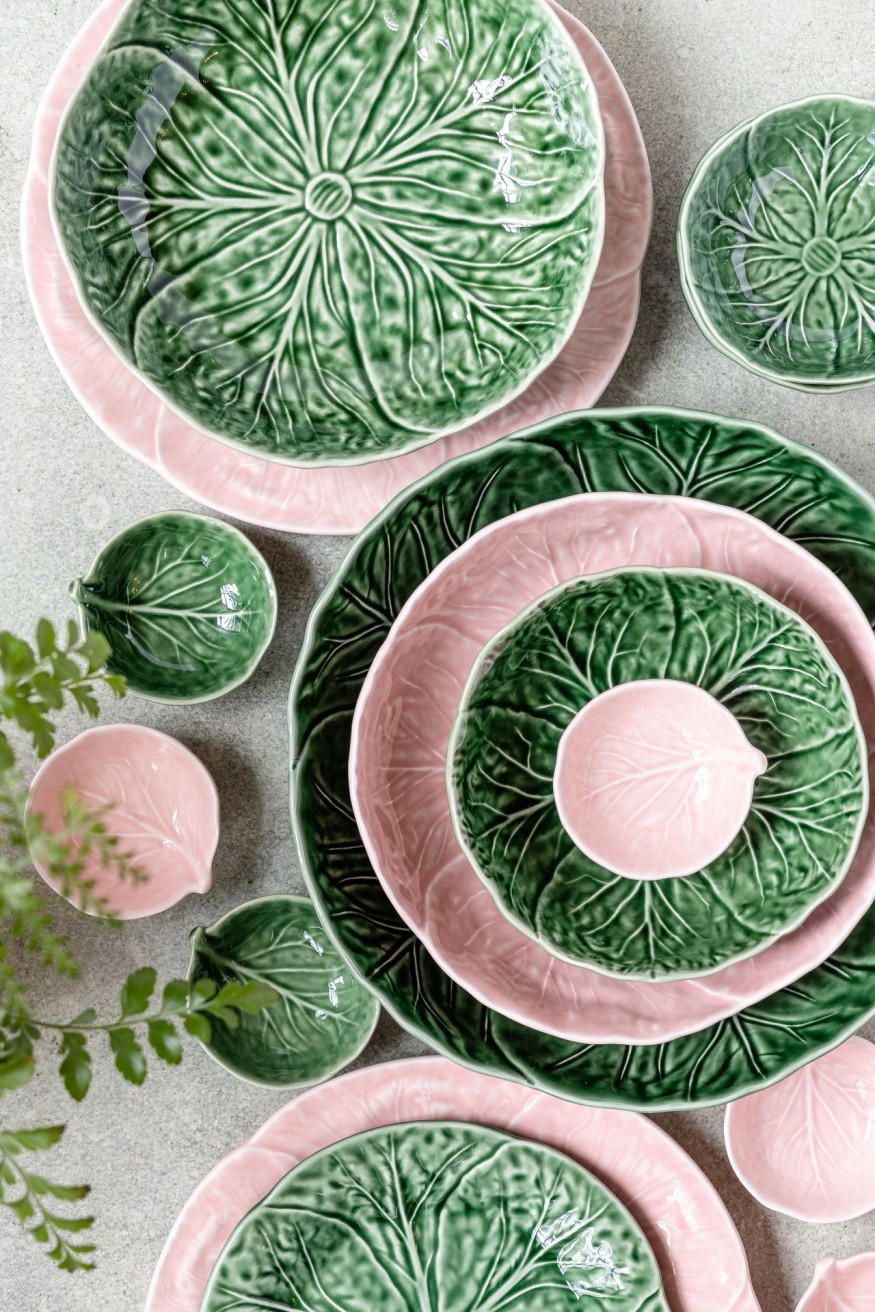
Cabbagecore refers to home decor inspired by the appearance of cabbage and lettuce, particularly decorative ceramics that mimic the vegetables' layered leaves and textured surfaces. Plates, bowls, platters, serving dishes, vases, and other accessories can feature sculpted edges and prominent leaf veining.
The aesthetic is not entirely new. Portuguese ceramicist Rafael Bordallo Pinheiro helped popularize cabbage-inspired pottery in the 19th century, while designer Dodie Thayer became known for her lettuceware decades later. Their work established a decorative tradition that today's cabbagecore trend is revisiting.
What makes the current movement different is how these pieces are being styled. Rather than being treated strictly as collectible ceramics, cabbage-inspired objects are appearing as part of eclectic tablescapes, colorful kitchens, layered dining rooms, and highly personal interiors.
Read more: One Vintage Piece Per Room Is the Decorating Trick Designers Love for Creative Home Ideas
Why Is Cabbagecore Trending in 2026?
The appeal of cabbagecore fits neatly into several of the year's major decorating directions. Homeowners and designers are increasingly embracing vintage-inspired objects, maximalism, unusual shapes, and decor that feels more personal than perfectly coordinated.
Cabbagecore also benefits from the popularity of food-inspired aesthetics. As tomatoes, lemons, olives, and other culinary references have appeared across fashion and interiors, cabbage offers another unexpected motif. Architectural Digest notes that food-inspired design has been gaining momentum, while cabbage's ruffled edges and intricate veining give it particular visual appeal.
Unlike a purely minimalist object, a cabbageware plate immediately creates a sense of occasion. It can make an everyday dining table feel collected, theatrical, and slightly unexpected without requiring a complete room makeover.
Is Cabbagecore the New Cottagecore?
Cabbagecore shares some of the same DNA as cottagecore, but the two aesthetics are not interchangeable. Cottagecore generally draws from an idealized rural lifestyle, using floral patterns, antique furniture, natural materials, gingham, and traditional craftsmanship to create a relaxed pastoral atmosphere.
Cabbagecore takes some of those nostalgic ingredients and turns up the eccentricity. Its appeal comes from making an ordinary vegetable into an elaborate decorative object. The result is less about recreating a country cottage and more about embracing humor, ornamentation, and visual surprise.
That makes cabbagecore less of a replacement for cottagecore and more of a playful offshoot. Both aesthetics celebrate nostalgia and nature, but cabbagecore has a stronger connection to maximalism and statement-making accessories.
What Makes Cabbageware So Appealing?
Cabbageware gives the trend a tangible foundation. Unlike some internet aesthetics that rely primarily on colors or styling concepts, cabbagecore can be expressed through recognizable objects with a long design history.
The pieces also work particularly well for entertaining. A cabbage-shaped serving platter or leafy ceramic bowl can become the centerpiece of a table without requiring additional decoration. The sculptural forms provide texture, while shades of green can complement wood, brass, florals, and traditional ceramics.
Modern versions also make the look easier to introduce without relying exclusively on antiques. The continuing availability of cabbage-inspired tableware has helped move the aesthetic from collector circles into mainstream home decorating.
How Can Cabbagecore Work in a Modern Home?
Cabbagecore does not require turning an entire room green or filling every surface with vegetable motifs. In fact, a restrained approach can make the trend feel more sophisticated.
- Start with tableware: A cabbage plate, serving bowl, or platter can introduce the aesthetic immediately.
- Mix old and new: Pair leafy ceramics with contemporary glassware or simple dinnerware.
- Use natural colors: Green, cream, brown, and muted pink can keep whimsical pieces grounded.
- Create a focal point: Display one sculptural cabbage piece on an open shelf, kitchen island, or dining table.
- Layer with vintage details: Floral textiles, antique silver, wood furniture, and traditional ceramics can reinforce the nostalgic character.
Is Cabbagecore Too Whimsical for Everyday Decorating?
For homeowners who prefer understated interiors, cabbagecore can initially seem too theatrical. Yet its strongest quality may be its flexibility. A single cabbageware bowl can add personality to a neutral kitchen, while a larger collection can suit a maximalist dining room.
This is where whimsical decor can be particularly effective. Whimsy does not necessarily mean childish or impractical. Used thoughtfully, an unexpected object can provide contrast and make a room feel more individual.
The key is allowing the cabbage-inspired piece to coexist with the rest of the room rather than making every accessory follow the same theme. Designers quoted by ELLE Decor similarly suggest either using cabbagecore selectively or committing fully to its botanical character.
Why Cabbagecore Could Define a New Era of Cottage-Inspired Decor
Cabbagecore may not replace cottagecore, but it does reveal how quickly familiar decorating styles can evolve. The trend takes the nostalgia and natural references associated with cottagecore and adds more humor, ornamentation, and maximalist energy.
As home decor trends in 2026 continue to move toward individuality and expressive objects, cabbagecore offers an accessible way to experiment. A single leafy plate can be enough to test the look, while collectors and maximalists can build an entire tablescape around it.
More importantly, the trend shows that today's interiors don't always have to take themselves seriously. Sometimes, a beautifully crafted cabbage bowl is exactly what a room needs.
Frequently Asked Questions
1. What does cabbagecore mean?
Cabbagecore is a home-decorating aesthetic centered on cabbage- and lettuce-inspired objects, particularly decorative ceramics and tableware.
2. Is cabbagecore the same as cottagecore?
No. Cabbagecore shares cottagecore's nostalgic and nature-inspired qualities but has a more playful, maximalist, and eccentric character.
3. What is cabbageware?
Cabbageware is tableware or ceramics designed to resemble cabbage leaves. It has historical roots dating back to the 19th century and has recently experienced a revival.
4. How can someone try cabbagecore without redecorating?
A single cabbageware plate, serving bowl, vase, or decorative ceramic can introduce the trend without changing the rest of the room.


How Decorative Window Film Can Transform Awkward Windows Into a Stylish Design

The Designer-Friendly Way to Make Halloween Decor Fit Your Home

Architectural Louvers Explained: Why Modern Buildings Use This Simple Feature

What Is the Best Material for a Birdhouse? Experts Recommend These Options

Dunn-Edwards' 2027 Color of the Year Is a Rich Brown With a Subtle Plum Undertone


