Is Your Wall Paint Looking Dull? Here’s Why It Happens and How to Bring Your Walls Back to Life
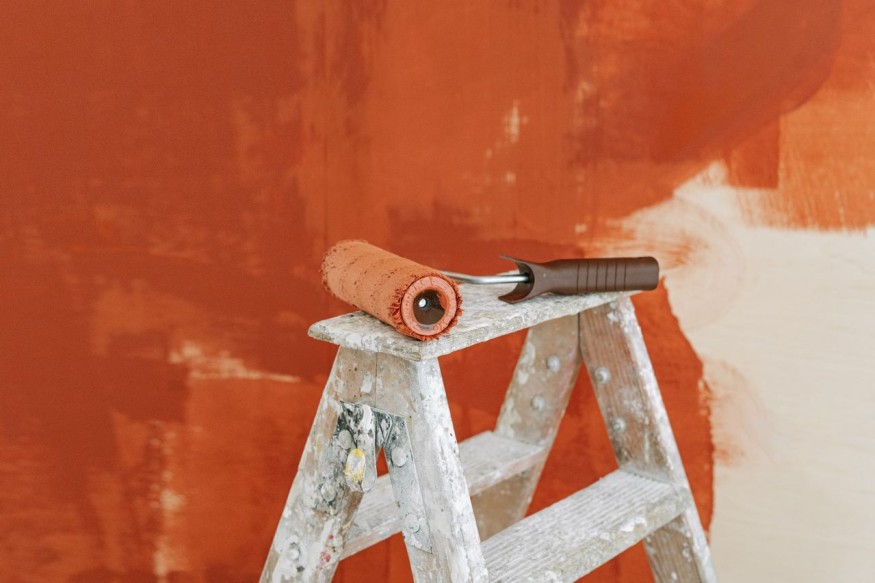
A freshly painted room can completely change the atmosphere of a home, but even the most beautiful wall color can lose its impact over time. Paint that once looked rich and polished may begin to appear flat, faded, dusty, or uneven, making the entire room feel more tired than it actually is.
The good news is that dull-looking walls do not always mean you need to repaint. In many cases, the problem is a combination of sunlight, accumulated grime, cleaning habits, and normal wear. And when a new coat really is necessary, better preparation can make the finish last much longer.
Sunlight May Be Changing the Color
One of the biggest reasons interior paint loses its vibrancy is prolonged exposure to sunlight.
According to Gareth Hayfield, head of research and development at Farrow & Ball, ultraviolet rays can affect paint pigments over time. Although windows filter some UV radiation, they do not block all of it. Walls that receive strong, direct sunlight throughout the day can therefore fade more quickly than walls in darker areas of the home.
This can be particularly noticeable around large windows, glass doors, and other heavily sunlit areas. A wall may not look dramatically different at first, but after years of exposure, the original color can appear considerably flatter.
Curtains, blinds, and solar shades can help limit the amount of direct sunlight hitting painted surfaces. They can also protect furniture, flooring, and artwork from fading.
Dust and Grime Can Create a Dull Film
Not every dull wall has actually faded.
Everyday dust and airborne grime can gradually settle onto painted surfaces, creating a thin layer that makes the color look less fresh. Kitchens can be particularly susceptible because cooking produces grease and particles that can cling to nearby walls.
The fix is surprisingly simple: regular, gentle maintenance.
Benjamin Moore technical marketing manager David Underwood recommends dusting painted walls regularly and giving them a gentle cleaning about once a year. A mild solution of warm water and a few drops of dish soap can be enough for routine cleaning.
The important word is gentle. Aggressive scrubbing can do more harm than good.
Your Cleaning Routine Could Be Making Things Worse
If you have ever noticed shiny patches appearing on a previously uniform wall, your cleaning method could be partly responsible.
Cindy Praesel, owner of Five Star Painting of Waco, says harsh cleaners and excessive scrubbing can wear down a paint finish and change its sheen.
That matters because paint sheen affects how light interacts with a wall. Even when the color itself has not changed substantially, an altered finish can make certain areas appear lighter, darker, shinier, or flatter than others.
For cleaning, start with the least aggressive approach. Dust the wall first, then use a soft sponge or cloth with mild soapy water. Avoid abrasive products unless the paint manufacturer specifically recommends them.
Always test a cleaning solution in an inconspicuous area before using it across a large wall.
Check the Paint Finish
Sometimes the problem is not the color at all. It is the finish.
Paint sheen determines how much light a surface reflects. Flat and matte finishes tend to absorb more light, while satin and semi-gloss finishes reflect more.
That means a color can appear dramatically different depending on the finish and the amount of natural light in the room.
High-traffic areas may benefit from a more durable finish. Benjamin Moore recommends eggshell for areas such as living rooms and hallways because it offers a slight sheen while providing resistance to scuffs, marks, stains, and fingerprints.
Know When Cleaning Is Not Enough
If you have cleaned the wall and it still looks faded or patchy, it may simply be time for new paint.
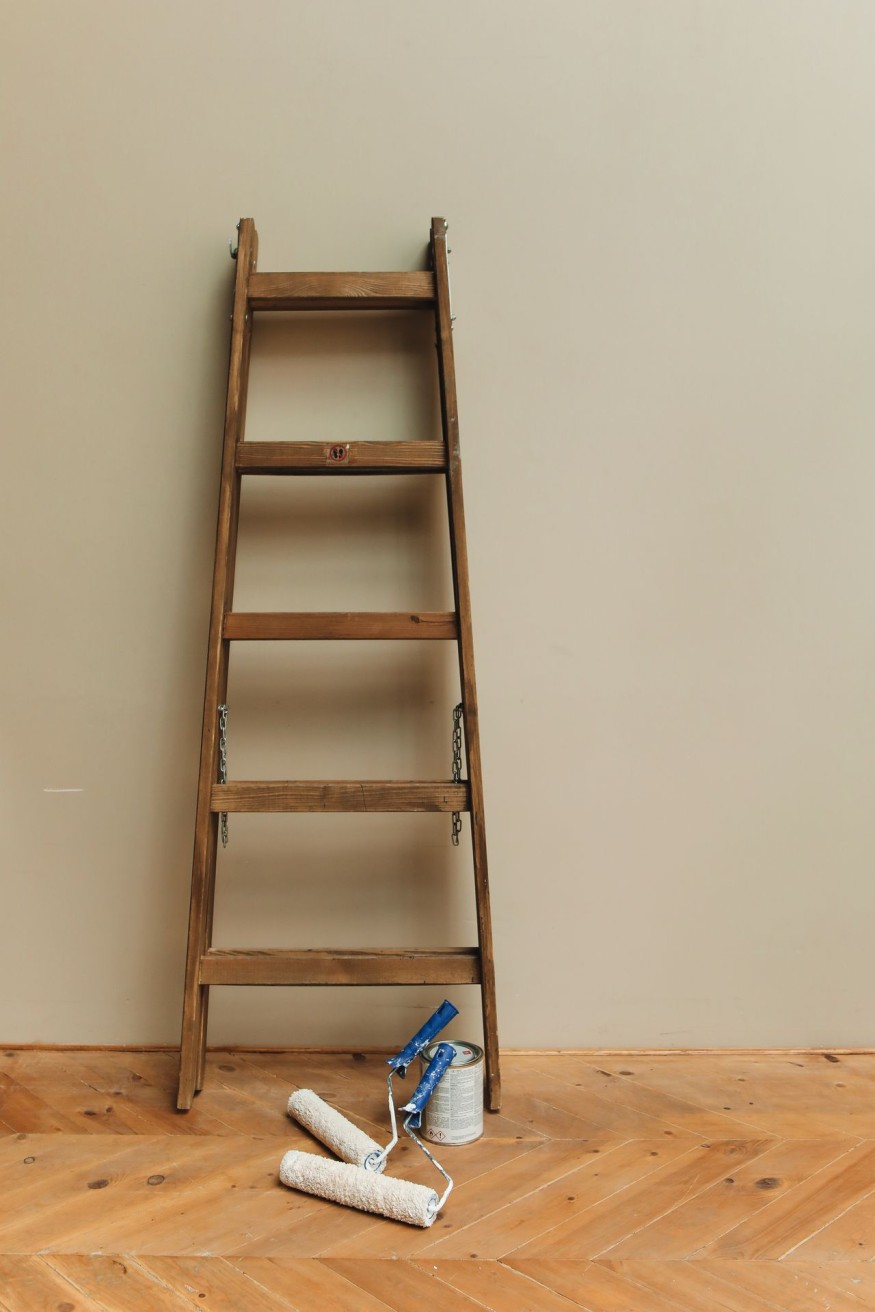
Before reaching for the roller, however, inspect the surface carefully. Look for stains, small holes, peeling areas, repaired patches, or differences in texture. Painting over these problems without preparation can make them more obvious.
The better approach is to fill holes, clean away grease and grime, sand repaired areas, and apply primer where appropriate.
Primer is particularly important when you are dealing with patched areas or a surface that has absorbed paint unevenly. It creates a more consistent surface for the new coat and helps prevent patchiness.
Repainting Does Not Always Mean Changing the Color
If you still love your wall color, there is no reason to change it simply because the finish has deteriorated.
A fresh coat in the same color can restore the room without forcing you to redesign everything around it. If you no longer have the original paint, take a sample of the existing wall to a paint retailer for color matching. Keep in mind, however, that an exact match can be difficult if the original paint has faded.
It is also worth repainting the entire wall rather than touching up isolated areas when the color or sheen has changed significantly. Even a well-matched touch-up can remain visible under certain lighting conditions.
Make Your Paint Last Longer
Once the walls look fresh again, prevention is easier than restoration. Dust periodically rather than allowing grime to accumulate. Clean marks as soon as possible, but use gentle products and minimal pressure. Protect heavily sunlit rooms with window treatments, and choose a durable finish appropriate for the room.
Most importantly, buy quality paint and prepare the surface properly before painting. The extra work at the beginning can make a significant difference years later.
A dull wall does not necessarily mean your room needs a makeover. Sometimes it simply needs a little maintenance, better cleaning habits, or a properly prepared fresh coat. When the underlying problem is addressed, the color you already love can look surprisingly new again.
Frequently Asked Questions
1. Why does wall paint become dull?
Sunlight, dust, grime, moisture, everyday wear, and excessive or harsh cleaning can all make paint appear dull or alter its sheen.
2. Can I make dull paint look new without repainting?
Sometimes. Gentle dusting and cleaning can remove surface grime and restore some of the wall's original appearance. If the paint itself has faded or its finish has worn away, repainting may be necessary.
3. Does paint sheen affect how a color looks?
Yes. Different sheens reflect different amounts of light, which can change how a color is perceived.
4. How often should painted walls be cleaned?
There is no universal schedule, but gentle dusting can be done regularly, while a mild annual cleaning can help prevent grime buildup.


How to Make Your Home Bathroom Feel More Like a Spa for Less

7 Art Deco Trends Designers Are Bringing Back for Modern Homes

The Built-In Tub Is Back, and It's More Stylish Than You Remember

The Micro Kitchen Is the Smart New Alternative to the Oversized Kitchen

Is Your Wall Paint Looking Dull? Here's Why It Happens and How to Bring Your Walls Back to Life


