How to Declutter Every Room in Your Home, From the Entryway to the Garage
Decluttering an entire home can feel like an overwhelming project, particularly when every room seems to have its own collection of unused belongings, crowded surfaces, and overstuffed storage areas. Rather than tackling everything at once, a room-by-room approach can make the process more manageable and easier to maintain.
The goal is not necessarily to create a minimalist home. Effective decluttering is about making thoughtful decisions about what belongs in a space and removing items that no longer serve a practical, functional, or meaningful purpose. The process can also reveal how each room is actually being used, which can help homeowners rethink storage and organization.
A systematic approach also makes it easier to sort unwanted belongings responsibly. The U.S. Environmental Protection Agency recommends considering reduction, reuse, repair, donation, and recycling before sending usable items to the trash.
Start With the Entryway and Living Room
The entryway is often the first place where clutter accumulates. Shoes, bags, mail, keys, umbrellas, and miscellaneous purchases can quickly turn a small area into a storage zone. Start by removing anything that does not belong there and creating designated homes for the items that are used regularly.
A small tray can contain keys and other daily essentials, while hooks can keep bags and coats from collecting on chairs or the floor. Shoes that are rarely worn can be moved elsewhere, leaving only the pairs used most frequently near the entrance.
The living room should be approached in much the same way. Begin with visible surfaces, including coffee tables, shelves, media consoles, and side tables. Remove decorative pieces that no longer suit the room, duplicate accessories, old magazines, unused electronics, and objects that have gradually become part of the furniture without serving a purpose.
Furniture itself should also be considered. A room can feel crowded even when its individual pieces are attractive. If chairs, tables, or storage units make movement difficult, their placement and necessity may deserve another look.
Give the Kitchen and Dining Areas a Functional Reset
Kitchens can be particularly difficult to declutter because they contain items that are purchased for occasional use and then remain in cabinets for years. Instead of emptying every cabinet at once, work through one category at a time.
Expired food should be removed first. Then examine duplicate utensils, rarely used appliances, mismatched containers, excess mugs, and cookware that has not been used in a long time.
The key question is whether an item supports the way the kitchen is actually used. A specialized appliance that seemed useful when purchased may be taking up valuable space if it is rarely used.
Dining areas can usually be simplified by evaluating tableware, serving pieces, linens, and decorative objects. Keeping a reasonable number of everyday items accessible while storing occasional-use pieces elsewhere can make the room easier to maintain.
Decluttering is also an opportunity to reduce future accumulation. The EPA recommends reducing consumption and reusing or repairing items where possible rather than automatically replacing them or throwing them away.
Simplify Bedrooms, Bathrooms, and Workspaces
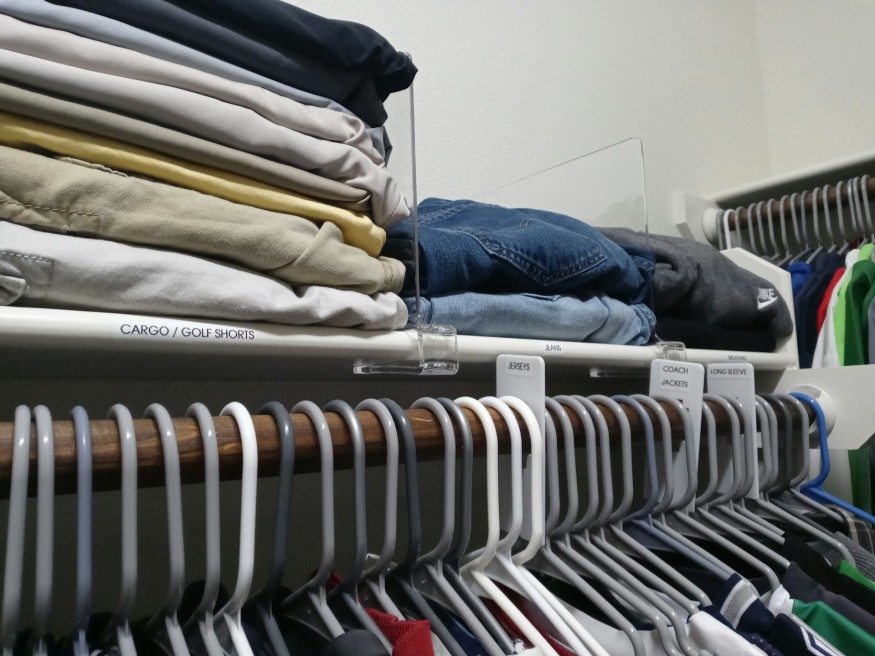
Bedrooms tend to accumulate clothing, accessories, books, paperwork, and items that have migrated from other rooms. Closets are a natural starting point. Clothing that no longer fits, has not been worn for a long period, or is consistently passed over can be separated from everyday pieces.
The same principle applies to shoes, handbags, accessories, and bedding. Items that remain useful but are not needed regularly can be stored more efficiently, while damaged or unusable pieces can be repaired, recycled where appropriate, or disposed of correctly.
Bathrooms benefit from a more practical approach. Expired products, empty containers, duplicate toiletries, and items that are no longer suitable for the household can be removed. Cabinets and drawers should be arranged according to frequency of use so everyday products remain accessible.
In a home office, paperwork is often the biggest source of visual clutter. Documents that must be retained should be organized into clearly labeled categories, while unnecessary duplicates and outdated papers can be recycled when appropriate. Office supplies should also be consolidated so homeowners know what they already have before buying more.
Decluttering can have practical benefits beyond appearance. The EPA notes that reducing clutter, dusting, and vacuuming can help reduce certain indoor pollutants, allergens, and pest-related issues.
Finish With Storage Areas and Create a System That Lasts
Storage rooms, garages, attics, and utility areas should generally be tackled after the main living spaces. These areas can become repositories for everything that does not have an obvious home, making them more difficult to sort.
One effective method is to create five categories: keep, donate, sell, recycle, and dispose. Items that are still functional may be suitable for donation or resale, while materials that can be recycled should be separated according to local requirements. Household hazardous materials, such as certain paints, chemicals, and batteries, may require specialized disposal rather than regular household trash.
Once unwanted items have been removed, storage should reflect how the household actually operates. Frequently used belongings should remain easy to reach, while seasonal or occasional items can occupy less accessible spaces.
The final step is preventing the same clutter from returning. A simple rule can help: every new purchase should have a designated place before it enters the home. Regular short decluttering sessions can also prevent small amounts of clutter from becoming another major project.
A More Organized Home Starts With Intentional Choices
Decluttering does not have to mean stripping a home of personality. The most successful approach leaves room for useful possessions, meaningful objects, and the activities that make a house feel lived in. By working through each room systematically, homeowners can create spaces that are easier to use, clean, and maintain without relying on extreme minimalism.
Frequently Asked Questions
1. What is the best room to declutter first?
The entryway or another small, frequently used space can be a practical starting point. Completing a manageable area can make the process feel less overwhelming before moving into larger rooms.
2. What should homeowners do with unwanted belongings?
Usable belongings may be donated or sold, while suitable materials can be recycled according to local rules. Items that cannot be reused or recycled should be disposed of appropriately.
3. How often should a home be decluttered?
There is no universal schedule. A short seasonal review can help prevent accumulation, while frequently used areas may benefit from more regular organization.
4. How can homeowners prevent clutter from returning?
Giving every frequently used item a designated storage location and being selective about new purchases can make an ongoing difference. Regular short sorting sessions are usually easier to maintain than occasional large cleanouts.


What Is a Mixed-Use Building? Benefits, Design Features, and Urban Impact

5 Home Bar Lighting Ideas That Make Any Space Feel More Sophisticated

Want a Beautiful Yard With Less Work? Start With These Landscaping Ideas

High vs. Low Ceilings: How Ceiling Height Changes a Home's Atmosphere

How to Declutter Every Room in Your Home, From the Entryway to the Garage


