Recycled Building Materials Are Becoming Luxury Design Elements
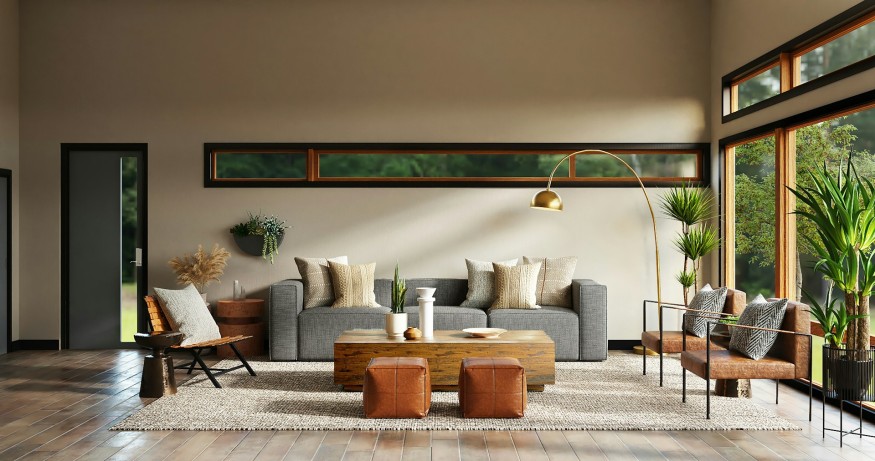
Luxury design has long been associated with rare stone, carefully selected timber, handcrafted metalwork and other premium materials. Increasingly, however, some of the most distinctive high-end spaces are incorporating materials that once would have been classified as waste.
Reclaimed wood, salvaged brick, recycled glass, reused metal and construction leftovers are finding new applications in architecture and interiors. Rather than hiding their previous lives, designers are often making material history part of the aesthetic.
The change reflects a broader movement toward circular design, in which materials are kept in use for as long as possible instead of being discarded and replaced with newly manufactured alternatives.
ArchDaily recently examined the growing role of recycled materials in architecture, noting the enormous volume of construction waste generated by the industry and the relatively small proportion of materials that are recovered for reuse.
Imperfection Is Becoming Part of the Appeal
Luxury interiors have traditionally emphasized consistency. Stone slabs were selected for matching veining, timber was graded for uniformity and metal finishes were carefully controlled.
Reclaimed materials offer almost the opposite experience. A salvaged beam may show nail holes, weathering or variations in color. Recycled glass may contain subtle irregularities. Reused brick can carry differences in texture from decades of exposure.
Rather than treating those characteristics as defects, designers can use them to create visual depth.
This fits into the wider shift toward interiors that emphasize craftsmanship, tactility and individuality. Recent design events have highlighted sustainable materials alongside handmade and highly tactile finishes, suggesting that environmental considerations are increasingly intersecting with luxury aesthetics.
Reclaimed Materials Can Become Statement Pieces
The luxury potential of recycled materials becomes particularly clear when they are used selectively.
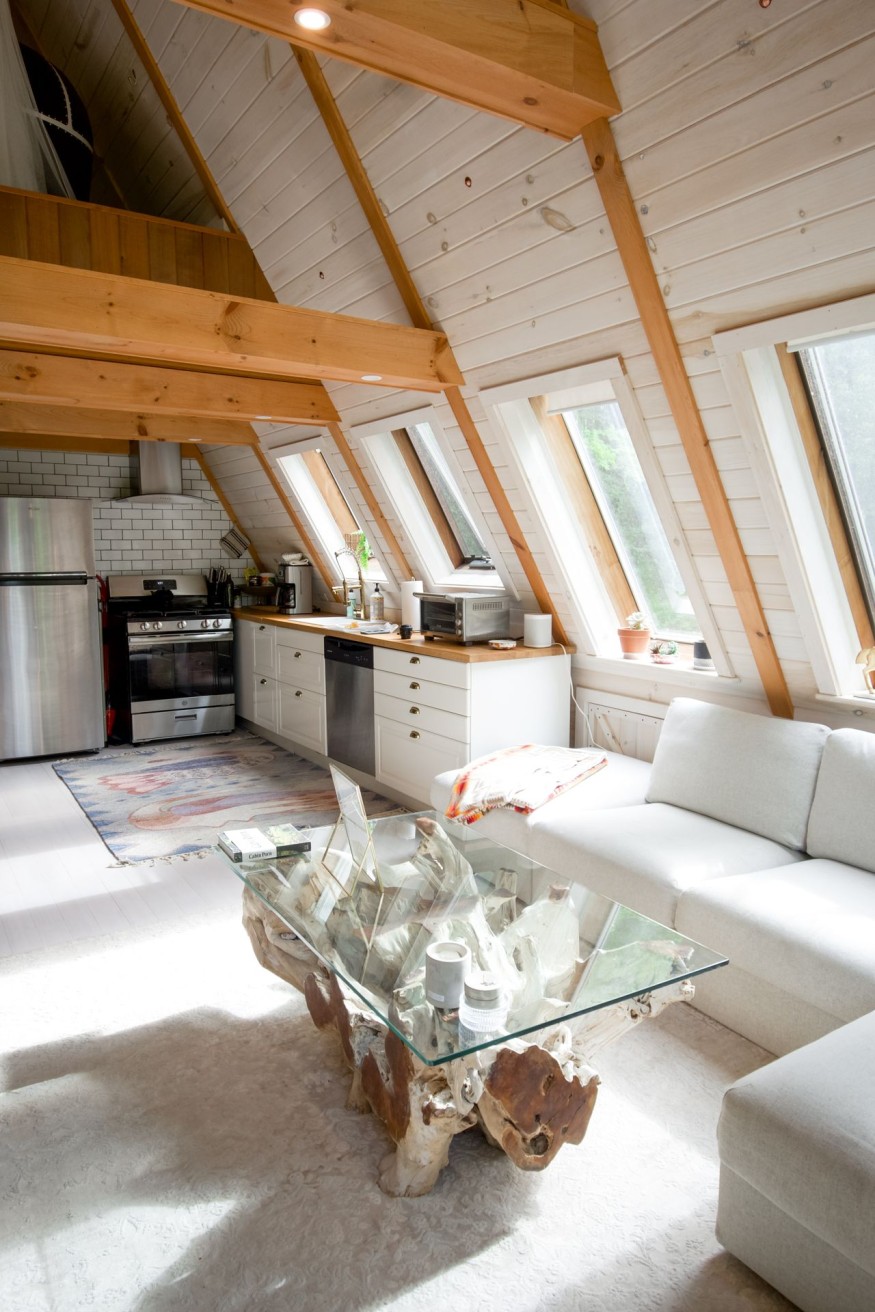
A wall of reclaimed brick can become an architectural focal point. Salvaged timber can form a dramatic ceiling or custom staircase. Recycled glass can become a countertop or decorative surface. Recovered metal can be shaped into lighting, furniture or architectural screens.
The material does not have to dominate an entire room.
In many cases, using one reclaimed element against more refined finishes creates contrast. A rough timber beam can sit beside polished plaster. Recycled glass can be paired with natural stone. Salvaged brick can provide texture within an otherwise restrained contemporary interior.
Designers Are Moving Beyond Traditional Reclaimed Wood
Reclaimed timber may be one of the best-known examples of material reuse, but the field is expanding.
Designers and researchers are exploring everything from agricultural waste to discarded bricks and industrial byproducts. A recent ArchDaily feature on material cycles highlighted the work of architect Mae-Ling Lokko, whose research explores agricultural byproducts and biomaterials as resources for architecture.
Recent design exhibitions have also demonstrated how recycled materials can become highly crafted architectural elements. At Milan's 2026 Fuorisalone, for example, a recycled PERT material made from industrial underfloor-heating waste was transformed into a porous structural installation.
These examples show how the definition of a "luxury material" is changing. Value increasingly comes not only from rarity but also from ingenuity, craftsmanship and material provenance.
Five Ways Recycled Materials Can Look High-End
- Use one material as a focal point: A reclaimed surface can become more impactful when surrounded by simpler finishes.
- Highlight craftsmanship: Custom joinery, precise installation and skilled fabrication can elevate reused materials.
- Mix old and new: Salvaged materials can create contrast alongside polished stone, contemporary lighting or modern furniture.
- Preserve character: Scratches, patina and irregularities can add authenticity rather than being completely concealed.
- Consider provenance: Understanding where a material came from can add meaning to an otherwise purely decorative feature.
The Practical Side Still Matters
Not every recycled material is automatically suitable for every application. Structural reuse can involve questions about provenance, grading, strength and performance. Research published in 2026 on reclaimed timber, for example, highlighted material heterogeneity and unknown provenance as challenges that need reliable assessment when reclaimed wood is considered for load-bearing applications.
That distinction is important for homeowners. Reclaimed does not simply mean "ready to install." Materials may require inspection, treatment, certification or specialized fabrication depending on how they will be used.
This is where the luxury design approach can be particularly useful. Instead of treating recycled materials as inexpensive substitutes, designers can specify them carefully and use them where their unique characteristics provide genuine visual or architectural value.
Frequently Asked Questions
1. Why Are Recycled Materials Becoming Popular in Luxury Design?
They offer material character, craftsmanship and individuality while supporting efforts to reduce waste and extend the useful life of existing resources.
2. Are Reclaimed Materials More Expensive?
Not necessarily. Material cost varies widely, and specialized sourcing, preparation and installation can make reclaimed materials expensive. Their value often comes from uniqueness rather than simply lower cost.
3. What Recycled Materials Work Well in Interiors?
Reclaimed timber, salvaged brick, recycled glass, reused metals and certain recycled composite materials can be used in interiors, depending on their intended application and performance requirements.
4. Are Recycled Materials Actually Sustainable?
Reuse can reduce demand for newly extracted or manufactured materials, but sustainability depends on factors including transportation, processing, durability and whether the material is appropriate for long-term reuse.


Cold Minimalism Is Losing Ground. This Is What Designers Want Instead

The New Desert Architecture Is Designed to Work With the Landscape

Is 2016 Interior Design Making a Comeback? What the Nostalgia Trend Reveals

The Invisible Design Details That Make a Home Feel More Comfortable

6 Backsplash Trends for 2027 That Designers Say Will Stand the Test of Time


