How to Turn a Walk-In Closet Into a Functional Dressing Room That Feels Luxurious
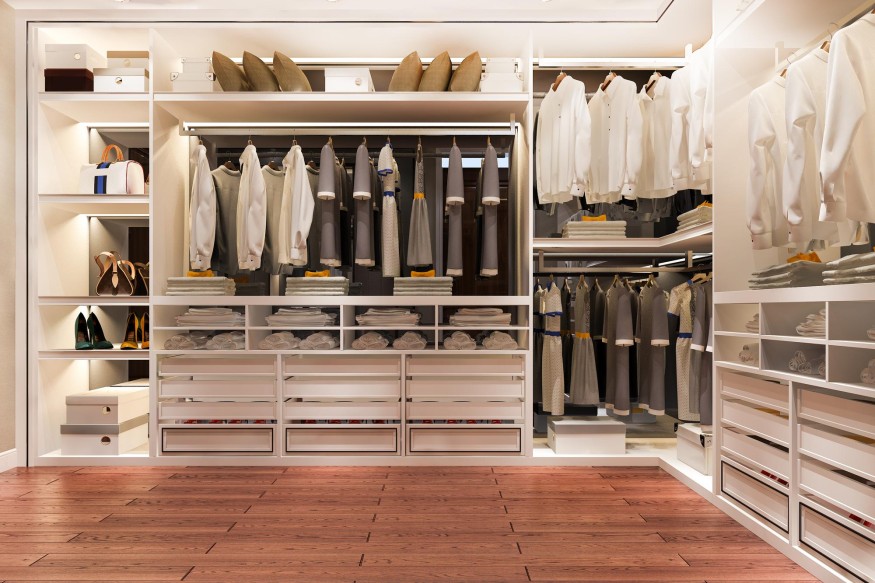
A walk-in closet can serve a much greater purpose than simply storing clothes, shoes, and accessories. With thoughtful planning, the space can become a functional dressing room that makes getting ready more convenient while adding a sense of luxury to the everyday routine. Even a relatively compact closet can accommodate features commonly associated with larger dressing suites, provided that storage, circulation, and lighting are carefully considered.
The transformation begins with understanding how the space is used. Rather than filling every available wall with shelves and hanging rods, homeowners can introduce dedicated areas for clothing, accessories, grooming, and outfit preparation. The result is a more organized environment that feels intentional rather than overcrowded.
Start With a Layout That Supports Everyday Routines
The first step in transforming a walk-in closet is evaluating its dimensions and existing storage arrangements. A dressing room needs enough clearance for comfortable movement, particularly when doors, drawers, and wardrobe sections are open.
An efficient layout should accommodate hanging storage, shelving, drawers, and a clear walkway. Smaller closets may benefit from a single-wall or L-shaped arrangement, while wider spaces can accommodate storage on opposing walls. A U-shaped configuration can also work well when the room has sufficient width.
Before purchasing new furniture or storage systems, homeowners should take inventory of their wardrobes. Long dresses, coats, folded clothing, shoes, handbags, and accessories each require different storage solutions. Measuring these categories helps determine how much hanging space, drawer capacity, and shelving will actually be needed.
According to Angi's walk-in closet design guide, carefully measuring the available space and dividing it into functional zones are important considerations when planning an efficient closet.
Create Dedicated Zones for Clothing and Accessories
A well-designed dressing room should make everyday items easy to locate. Dividing the closet into specific storage zones can prevent clutter while making the space more intuitive to use.
Hanging sections can be organized according to clothing length, category, or frequency of use. Everyday outfits can occupy accessible sections, while formalwear and seasonal clothing can be placed in less frequently accessed areas.
Drawers are particularly useful for smaller wardrobe essentials, including underwear, socks, belts, and accessories. Adjustable dividers can help keep these items organized without requiring additional furniture.
Open shelves provide convenient storage for folded sweaters, handbags, and frequently worn shoes. Meanwhile, glass-front cabinets can introduce a boutique-inspired appearance while protecting delicate accessories from dust.
Vertical storage should also be considered. Extending shelving closer to the ceiling creates additional room for luggage, seasonal accessories, and storage boxes without taking up valuable floor space.
Introduce a Vanity for Grooming and Getting Ready
A dressing room becomes more versatile when it includes a dedicated grooming area. A compact vanity can provide space for skincare products, makeup, hair tools, and everyday accessories.
In a larger closet, a built-in vanity with drawers can create a polished focal point. Smaller spaces can accommodate a narrow console or floating shelf paired with a comfortable stool.
The mirror is an essential part of this arrangement. A well-positioned mirror allows homeowners to check outfits and complete their grooming routines without moving between rooms.
For makeup application, lighting around the mirror should be even and flattering. Fixtures positioned on both sides of the mirror can help minimize harsh shadows, while an overhead light provides general illumination.
Electrical outlets should also be planned carefully, particularly when the vanity will accommodate hair dryers, curling irons, or other styling tools.
Use Layered Lighting to Improve Visibility
Lighting can significantly influence how a walk-in closet looks and functions. A single ceiling fixture often leaves shelves, drawers, and hanging sections poorly illuminated.
A more effective approach combines ambient, task, and accent lighting. Recessed fixtures or a decorative ceiling light can provide general illumination, while LED strips beneath shelves and inside cabinets make individual storage areas easier to navigate.
Accent lighting can highlight display shelves, glass-front cabinets, and decorative features. Motion-sensor lighting is another practical addition because it automatically illuminates storage areas when someone enters.
Color accuracy is especially important in a dressing room. Lighting that distorts clothing colors can make it difficult to distinguish similar shades, particularly black, navy, and charcoal.
Add Seating Without Sacrificing Floor Space
Seating can make a dressing room more comfortable, especially when putting on shoes or planning an outfit. However, furniture should be selected according to the available floor area.
A small upholstered bench can provide a convenient place to sit while adding texture and softness. In narrow closets, a compact ottoman that can be tucked beneath a vanity or shelf may be more appropriate.
Larger dressing rooms can accommodate a central island with drawers for jewelry, watches, and other accessories. However, an island should never compromise the walkway or prevent wardrobe doors and drawers from opening comfortably.
When space is limited, a slim bench positioned beneath a window or along an unused wall can provide similar functionality without overwhelming the room.
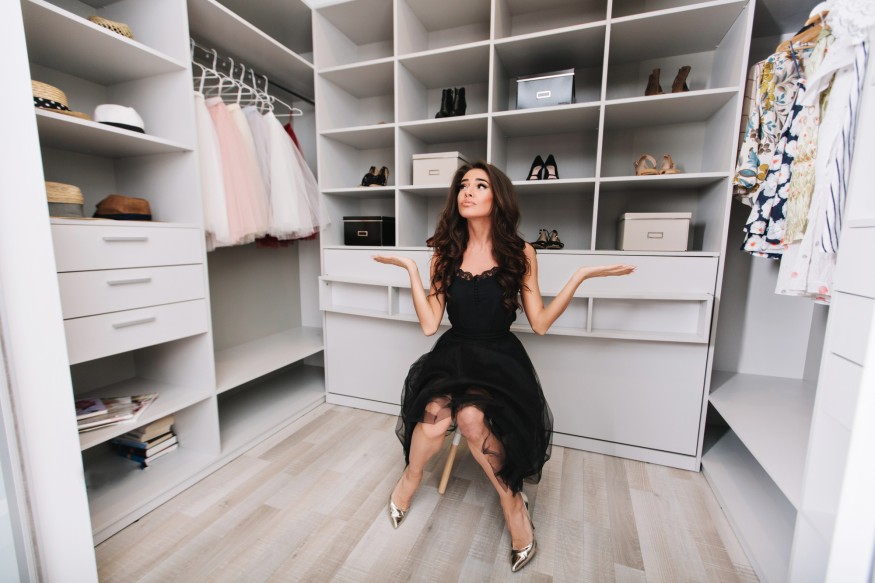
Choose Finishes That Make the Room Feel Cohesive
The visual character of a dressing room depends on the relationship between its finishes, materials, and decorative elements.
Neutral cabinetry, natural wood, textured wallpaper, and understated hardware can create a timeless foundation. For a more expressive interior, homeowners can introduce colored cabinetry, patterned wall coverings, decorative lighting, or upholstered seating.
Flooring should also be comfortable and practical. Hardwood, engineered wood, and quality tile are durable options, while an area rug can introduce warmth and soften the appearance of the space.
Mirrored surfaces and glass cabinetry can make a compact dressing room feel more open. Meanwhile, coordinated drawer pulls, cabinet finishes, and lighting fixtures help create a consistent design.
Keep the Dressing Room Organized and Comfortable
A dressing room should remain easy to maintain after the initial transformation. Regularly reviewing clothing, returning accessories to their designated locations, and keeping frequently used items accessible can prevent the space from becoming cluttered.
Ventilation is equally important. A closet with poor airflow can develop unpleasant odors, particularly when clothing and shoes are stored in enclosed cabinets. Adequate ventilation and occasional airing help maintain a comfortable environment.
A successful dressing room does not necessarily require an expansive floor plan or expensive custom cabinetry. The most effective designs prioritize accessibility, thoughtful storage, and features that support everyday routines.
A More Thoughtful Approach to Everyday Dressing
Turning a walk-in closet into a functional dressing room is ultimately about making better use of available space. With dedicated storage zones, appropriate lighting, a practical vanity, and carefully selected furniture, even an ordinary closet can become a comfortable personal retreat.
Frequently Asked Questions
1. What should every functional dressing room include?
A functional dressing room should include organized hanging space, drawers, shelving, a full-length mirror, appropriate lighting, and enough room to move comfortably. A vanity and seating area can provide additional convenience.
2. How can a small walk-in closet become a dressing room?
A small walk-in closet can accommodate a dressing area through vertical storage, compact furniture, wall-mounted mirrors, and built-in drawers. A floating vanity or small ottoman can also provide functionality without occupying too much floor space.
3. What is the best lighting for a walk-in dressing room?
A combination of ambient, task, and accent lighting works best. LED strips inside cabinets, well-positioned vanity lights, and ceiling fixtures improve visibility while creating a layered atmosphere.
4. Is a closet island necessary in a dressing room?
No. A closet island is an optional feature that works best in larger dressing rooms. Smaller spaces can achieve similar functionality with drawer units, wall-mounted shelves, or compact consoles.


Oheka Castle, Featured in Taylor Swift's 'Blank Space' Video, Sells for $72 Million

El Niño Gardening Guide: Ways to Protect Your Lawn and Plants From Heat and Drought

Florals, Gingham, and Chintz Are Among the Biggest Pattern Trends for 2027

IKEA's New Art Collection Turns Everyday Home Decor Into Affordable Designer Art

Sherwin-Williams's 2027 Color Forecast Unveils 48 Rich Colors to Refresh Your Home in 2027


