Dark Wood Is Transforming Living Rooms: Here’s How to Embrace the Look
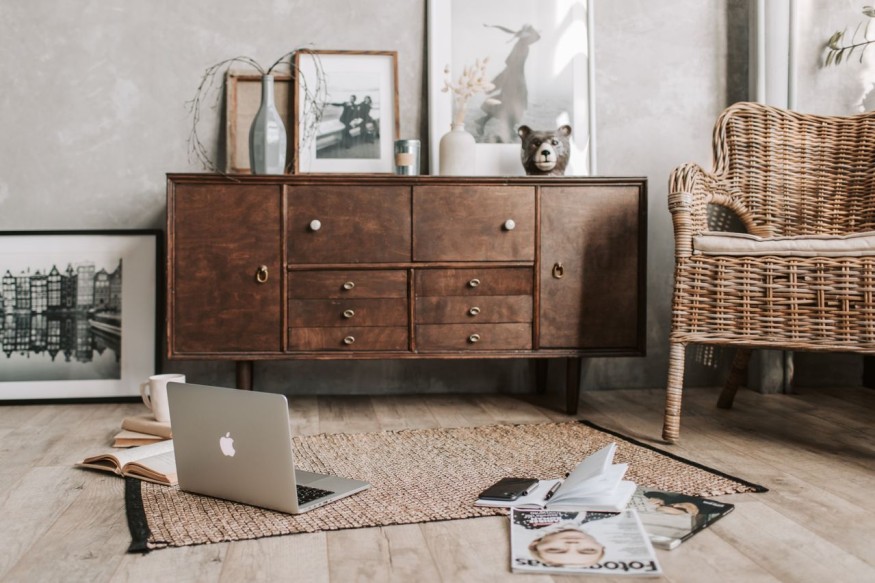
Dark wood furniture is regaining attention as homeowners look for living rooms that feel warmer, more layered, and less dependent on fleeting decorating trends. Rich walnut, mahogany, cherry, and dark-stained oak introduce visual depth that lighter timber finishes do not always provide. Their pronounced grain and deeper tones can also make a room feel established, creating a sense of character without requiring elaborate decoration.
The renewed interest in darker timber reflects a broader appreciation for traditional materials, vintage furniture, and interiors that combine different periods. Rather than treating wood as a neutral background element, designers are increasingly using its natural color and texture to influence the atmosphere of a room.
The challenge is achieving the right balance. Dark furniture can provide a grounding presence, but its effect depends on the room's natural light, proportions, surrounding colors, and material combinations.
Why Dark Wood Furniture Adds Character
Wood has always played an important role in residential interiors, from structural beams and built-in cabinetry to tables, chairs, and decorative accessories. Darker finishes introduce a particularly strong visual presence because they create contrast against lighter walls and upholstery.
Walnut, for example, often features rich brown tones and distinctive grain patterns. Mahogany can offer reddish undertones, while dark-stained oak provides a more pronounced texture. These differences allow homeowners to select timber that suits the room's architecture and existing palette.
Dark wood also brings a sense of permanence to contemporary spaces. A substantial wooden coffee table or vintage cabinet can anchor a living room filled with softer furnishings, preventing the overall scheme from feeling visually weightless.
This does not mean every piece must be an antique or made from expensive timber. Contemporary furniture, vintage finds, and well-finished wood surfaces can all contribute to the same effect when their proportions and finishes are carefully considered.
Choose Furniture That Establishes a Clear Focal Point
A living room does not need to be filled with dark furniture to benefit from its presence. In many cases, one substantial piece provides enough contrast to establish the room's visual foundation.
A dark wood coffee table can anchor a seating arrangement, while a sideboard or bookcase can give an otherwise understated wall greater definition. In larger rooms, a substantial dining-style table used for games or entertaining can introduce a functional focal point.
The furniture's silhouette matters as much as its color. Heavy, ornate pieces may create a traditional atmosphere, while streamlined tables and cabinets can feel contemporary despite their deep finishes.
Balance Dark Wood With Lighter Colors and Soft Textures
One of the most effective ways to style dark wood is to contrast it with lighter materials. Cream upholstery, warm-white walls, pale rugs, and soft neutral curtains can prevent deeper timber tones from dominating the room.
These combinations also help reveal the wood's grain and finish. Against a light background, the contours of a walnut table or dark oak cabinet become more noticeable.
Texture is equally important. Linen, wool, cotton, leather, and woven materials can soften the appearance of substantial furniture. A textured rug beneath a dark coffee table, for instance, can establish separation between the furniture and the floor.
The choice of neutral matters, too. Cool whites can create a crisp contrast, while warmer creams and beiges produce a softer atmosphere. Both can work, depending on the timber's undertones and the room's lighting.
Mix Wood Tones Without Making the Room Feel Disjointed
A common concern when decorating with dark wood is whether different timber finishes can coexist. The answer is yes, provided the differences feel intentional.
Matching every wooden surface exactly can create a uniform appearance that lacks depth. A more layered approach combines complementary tones while allowing individual pieces to retain their character.
For example, a walnut coffee table may sit comfortably alongside medium-toned oak flooring and a lighter wooden side chair. The relationship works when the pieces share compatible undertones, textures, or visual proportions.
Contrast can also be useful. A very dark cabinet against pale oak flooring establishes a clear distinction between surfaces, while a medium-brown side table can help bridge the difference.
The key is to avoid introducing too many unrelated finishes without a connecting element. Repeating a timber tone in a smaller accessory, picture frame, or occasional table can help establish continuity across the room.
Use Lighting to Bring Out the Beauty of Dark Timber
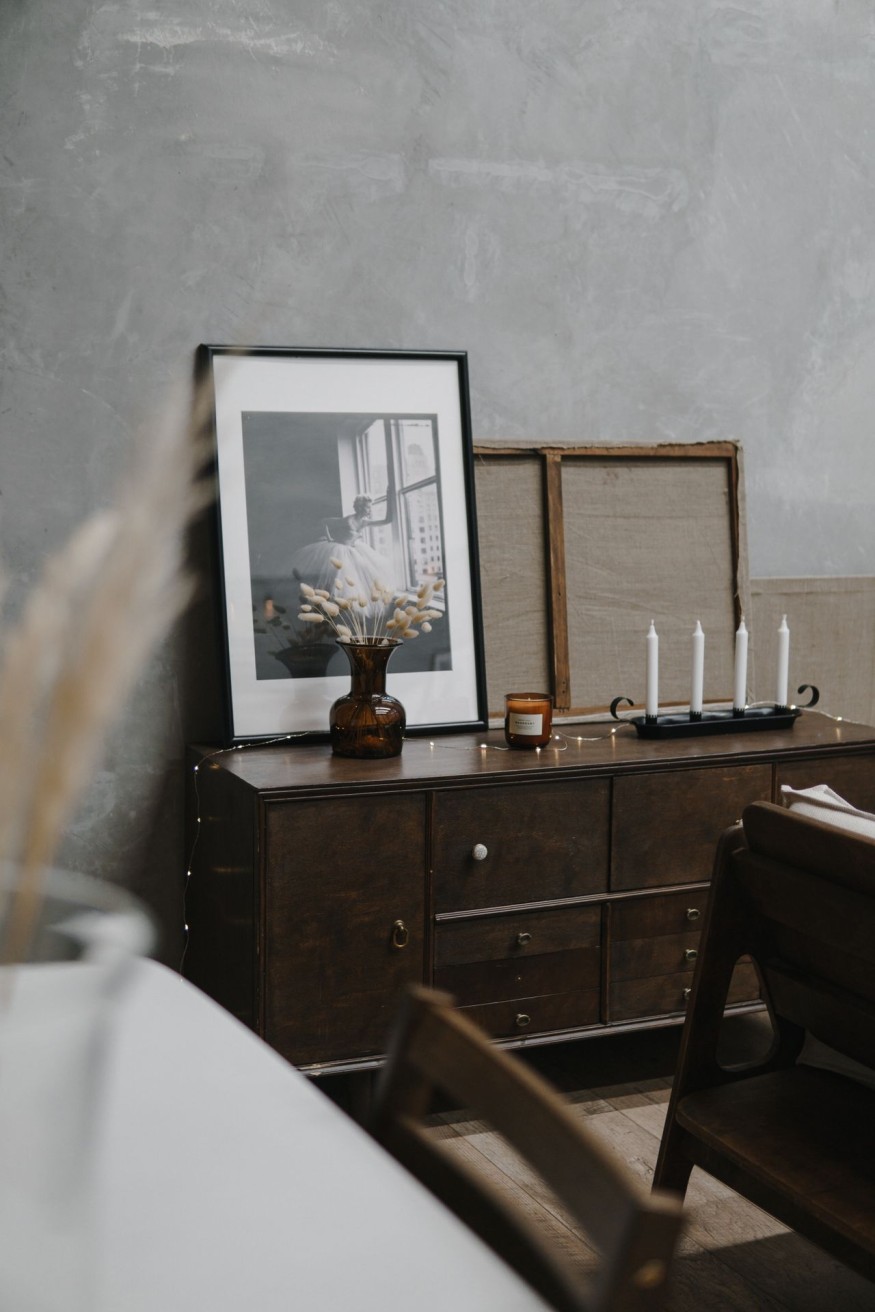
Lighting can significantly influence how dark wood appears. In a bright room, sunlight may reveal the grain and subtle color variations in a wooden surface. In a dim room, the same furniture can appear almost black, making its texture less visible.
Natural light should therefore inform furniture placement. Where possible, avoid positioning a large dark cabinet so that it unnecessarily blocks a window or reduces the room's available daylight.
Artificial lighting can help restore warmth after sunset. Floor lamps, table lamps, and wall lights create localized pools of illumination that highlight furniture and make a living room feel more inviting.
Warm-toned lighting often complements brown timber, although the best color temperature depends on the surrounding finishes and personal preference. Layering several light sources is generally more flexible than relying on a single overhead fixture.
Reflective details can also help distribute light. Mirrors, glass accessories, and carefully positioned metallic finishes provide contrast against darker wood without competing with its natural texture.
Make Dark Wood Work in Small or Contemporary Living Rooms
Dark wood is not limited to large homes or traditional interiors. Smaller living rooms can accommodate deeper timber tones when furniture is selected with attention to scale and visual weight.
Pieces with open bases, slender legs, and uncomplicated silhouettes allow more of the floor to remain visible. This can help a compact room feel less crowded than one furnished with multiple solid, floor-length cabinets.
Keeping walls and larger upholstered pieces relatively light also creates contrast. A dark side table or coffee table can become a distinctive accent without making the entire room feel enclosed.
Contemporary interiors can benefit from the same principle. Pairing dark timber with sculptural lighting, simple upholstery, and restrained accessories creates a balance between traditional material character and modern lines.
Ultimately, dark wood furniture offers more than a change in color. It introduces texture, contrast, and a sense of permanence that can make a living room feel more individual. When balanced with appropriate lighting, complementary materials, and functional proportions, it can remain appealing long after a particular decorating trend has passed.
Frequently Asked Questions
1. Is dark wood furniture coming back into style?
Dark wood furniture is receiving renewed attention in interiors that emphasize warmth, natural materials, and layered character. Its appeal also comes from its versatility across traditional, transitional, and contemporary spaces.
2. What colors go best with dark wood furniture?
Cream, warm white, beige, muted green, dusty blue, and terracotta can complement dark timber. The best combination depends on the wood's undertones, the room's natural light, and the desired atmosphere.
3. Can dark wood furniture work in a small living room?
Yes. Choose appropriately scaled pieces with simple silhouettes or raised legs, and balance them with lighter walls, upholstery, and flooring. Keeping circulation areas clear also helps maintain a sense of space.


Stefano Boeri Architetti Wins Competition for Loco Park, a Green Neighborhood in Tbilisi

Three Architecture Firms Win Competition for Cultural Hub in UNESCO-Listed Valle Camonica

IKEA's New Art Collection Turns Everyday Home Decor Into Affordable Designer Art

Sherwin-Williams's 2027 Color Forecast Unveils 48 Rich Colors to Refresh Your Home in 2027

Modern Kids' Rooms Are Changing: The Kids' Bedroom Ideas Designers Want Now


