These Simple Living Room Updates Cost Less Than $100 but Look Expensive
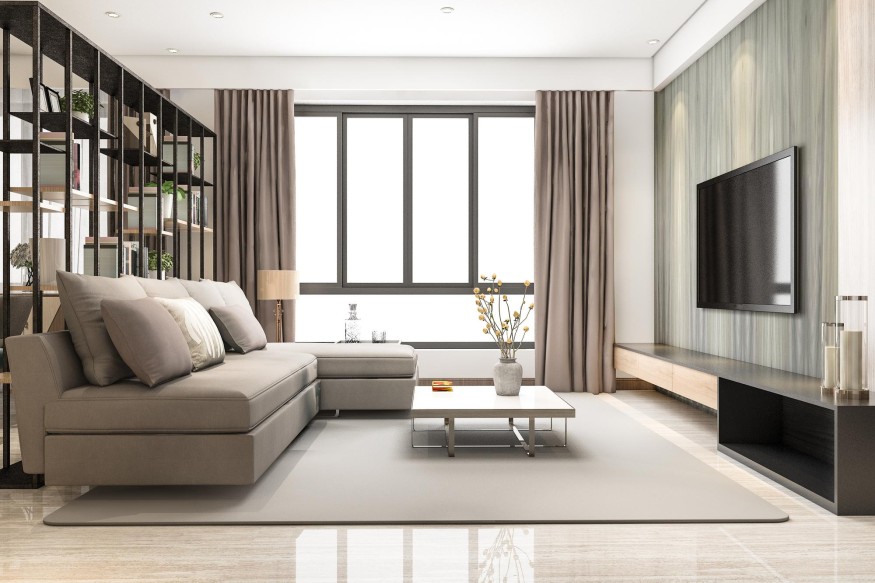
Refreshing a living room does not necessarily require expensive furniture, professional renovations, or an entirely new decorating scheme. Sometimes, the most effective transformations come from making a few carefully considered changes to the details that already exist.
Interior designers understand that a room's appearance is influenced by more than its largest furniture pieces. Lighting, textiles, decorative accessories, furniture placement, and even the way objects are displayed can determine whether a living room feels inviting or unfinished.
For homeowners working with a limited decorating budget, the good news is that several meaningful updates can be completed for less than $100. The trick is knowing where a relatively small investment will make the greatest visual difference.
From rearranging existing furniture to introducing new textures, these designer-approved ideas can help a living room feel noticeably different without stretching the household budget.
1. Rearrange the Furniture for a Fresh Perspective
One of the fastest ways to transform a living room costs absolutely nothing. Rearranging furniture can change how a space functions and looks without requiring homeowners to purchase anything new.
Instead of automatically positioning every piece of furniture against a wall, consider creating a more intimate conversation area. A sofa and two chairs can face one another, while a coffee table helps establish a central gathering point.
In smaller living rooms, moving furniture away from walkways can also improve circulation and make the space feel more organized.
Before moving anything, homeowners should consider the room's natural focal point. This might be a fireplace, a large window, an architectural feature, or an entertainment area. Arranging furniture around that feature can create a more intentional layout.
It is also worth borrowing an occasional chair, side table, or decorative accessory from another room. Shopping the home before shopping for new furnishings is a practical way to discover overlooked pieces.
2. Refresh the Sofa With New Cushion Covers
A sofa often occupies a significant amount of visual space in a living room, making it an ideal place to introduce an affordable update.
Replacing cushion covers can change the entire appearance of an existing sofa without the expense of purchasing new upholstery. Homeowners can experiment with different colors, patterns, and textures to give familiar furniture a more current appearance.
For a neutral sofa, consider introducing cushions in terracotta, olive green, chocolate brown, or muted burgundy. Those who prefer a quieter aesthetic can combine linen, cotton, velvet, and boucle-inspired textures in complementary shades.
The arrangement matters, too. Rather than lining up identical cushions, vary their sizes and introduce one or two contrasting designs.
A new throw blanket can complete the arrangement. Draped casually across an armrest or folded over the back of a sofa, it adds softness and makes the seating area feel more inviting.
3. Change the Lighting to Create a Warmer Atmosphere
Lighting can dramatically influence how a living room looks and feels. Even beautifully furnished spaces can appear uninviting when illuminated by harsh, overly cool lighting.
Replacing a few lightbulbs with warmer alternatives is one of the simplest inexpensive updates. A warm-white color temperature around 2700K is commonly used to create a softer residential atmosphere, particularly in spaces intended for relaxation.
Homeowners can also introduce additional layers of illumination. A small table lamp, floor lamp, or portable accent light creates a more flexible lighting arrangement than relying entirely on an overhead fixture.
The objective is to distribute light at different heights. A floor lamp beside a reading chair, for example, can create a comfortable corner, while a table lamp on a console can provide a softer background glow.
4. Introduce Greenery and Natural Elements
Plants offer another relatively inexpensive way to make a living room feel more vibrant. Their natural shapes and varying shades of green provide a welcome contrast to furniture, electronics, and architectural finishes.
A medium-sized indoor plant can become a focal point beside a sofa or in an empty corner. Smaller varieties can be displayed on shelves, side tables, or windowsills.
The choice should depend on the available natural light and the homeowner's willingness to maintain the plant. Low-maintenance options can be particularly useful for households with busy schedules.
A decorative planter can make an inexpensive plant look more considered. Ceramic, terracotta, woven, and concrete-inspired finishes can complement different interior styles.
For homeowners who prefer not to maintain live plants, branches, dried foliage, and seasonal arrangements can introduce similar organic qualities.
5. Give Shelves and Coffee Tables a New Arrangement
Sometimes, a living room looks dated not because its furnishings are old but because its decorative arrangements have remained unchanged for years.
Editing shelves and tabletops can make a surprisingly noticeable difference. Remove unnecessary objects first, then rebuild the arrangement using a combination of books, decorative vessels, framed photographs, and meaningful accessories.
On a coffee table, a simple arrangement might include a tray, a small vase, and two stacked books. Varying the height of the objects helps create a more balanced composition.
Bookshelves can benefit from a similar approach. Rather than filling every available space with books, leave some open areas for decorative objects and personal collections.
Homeowners can also move artwork or framed photographs from other rooms to create a different visual arrangement without buying anything.
6. Add Affordable Artwork or Refresh Existing Frames
Blank walls can make a living room feel unfinished, particularly when the furniture arrangement is already established.
Artwork provides an opportunity to introduce color, personality, and visual interest. However, creating an attractive display does not require purchasing expensive original pieces.
Affordable prints, personal photographs, vintage illustrations, and even fabric samples can become decorative features when presented thoughtfully.
Another option is to update existing frames. Repainting an old frame, replacing a dated mat, or grouping several smaller pictures together can give familiar artwork a fresh appearance.
Making a Small Decorating Budget Work Harder
The most effective living room updates are not necessarily the ones that involve the most spending. A homeowner with $100 can prioritize one or two improvements rather than attempting to change every element simultaneously.
For example, a combination of new cushion covers, a warm table lamp, and a small plant may provide more visual impact than several unrelated decorative purchases.
It is also important to account for existing furniture, available storage, and the room's overall proportions. A well-arranged living room with carefully selected accessories can feel more polished than one filled with inexpensive purchases that do not serve a purpose.
Ultimately, an affordable refresh should improve both the appearance and everyday functionality of the space. With thoughtful editing and a few strategic additions, even a familiar living room can feel considerably more inviting.
Frequently Asked Questions
1. How can a living room be updated for under $100?
Rearranging furniture, replacing cushion covers, adding a table lamp, introducing greenery, and refreshing decorative arrangements are affordable ways to transform a living room.
2. What is the cheapest way to make a living room look better?
Decluttering and rearranging existing furniture are among the least expensive improvements. Both can change the room's appearance without requiring additional purchases.
3. Which accessories make the biggest difference in a living room?
Lighting, cushions, rugs, artwork, decorative trays, and indoor plants can create noticeable changes because they influence the room's color, texture, and atmosphere.
4. How can a living room look expensive on a small budget?
Focus on good proportions, layered lighting, cohesive colors, natural materials, and carefully edited decorative arrangements rather than purchasing numerous inexpensive accessories.


Herzog & de Meuron Reveal Ambitious Plans for Eames Institute Museum and Archives

Australia's 2026 Architecture Awards Highlight Sustainability and Community-Focused Design

Iris Ceramica Group Expands Its Global Presence With New Dubai Design Gallery

IKEA's New Art Collection Turns Everyday Home Decor Into Affordable Designer Art

Sherwin-Williams's 2027 Color Forecast Unveils 48 Rich Colors to Refresh Your Home in 2027


