Beijing Named World Capital of Architecture 2029 as Heritage Meets Sustainable Urban Development
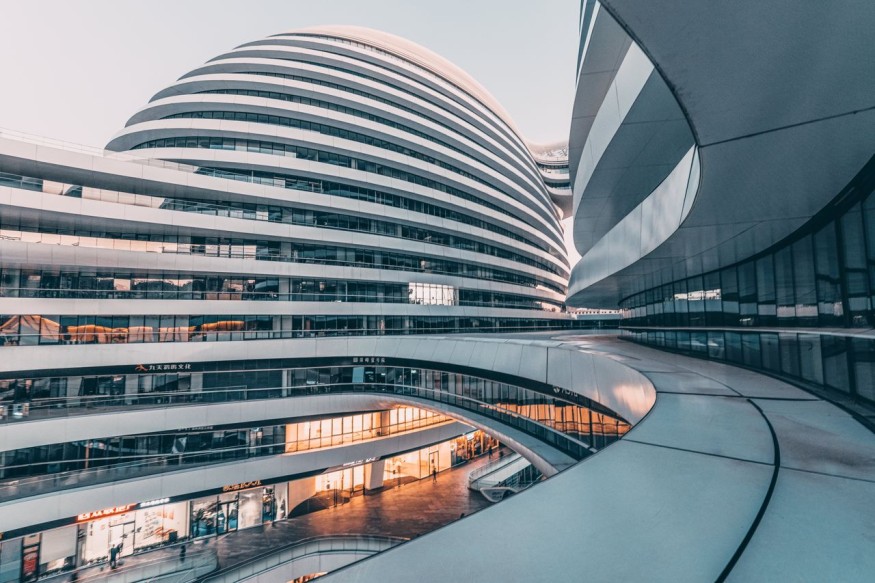
Beijing has officially been designated the UNESCO–UIA World Capital of Architecture 2029, a recognition that places the Chinese capital alongside a growing list of cities shaping the global conversation on architecture and urban living. The announcement came from UNESCO Director-General Khaled El-Enany, following a recommendation from the Joint Committee for the World Capital of Architecture, chaired by architect Dominique Perrault.
The title is jointly awarded by UNESCO and the International Union of Architects (UIA) every three years. It goes to the city hosting the UIA World Congress, and it carries far more weight than a ceremonial label. It signals that a city's architectural heritage, its urban planning strategies, and its cultural life are seen as models worth studying and replicating elsewhere.
For readers tracking the World Capital of Architecture 2029 title, Beijing's selection was not a surprise to those who follow global urban development. The city was chosen specifically for how it blends centuries of architectural heritage with a distinctly modern approach to city building, something few capitals manage without losing one side of that equation.
Read more: Why Textural Design Is the Secret to Beautiful Interior Styling for Every Neutral Interior
Why Beijing Earned the 'World Capital of Architecture 2029' Title
Beijing's case rested on a straightforward but rare combination: a historic urban core that has survived and adapted, paired with regeneration projects that actually work. According to UNESCO, the city's selection reflects its exceptional ability to bring together one of the world's richest architectural heritages with a forward-looking vision of sustainable urban development.
That phrase, sustainable urban development, sits at the center of why this designation matters right now. Cities worldwide are grappling with the same tension Beijing has had to manage for decades: how to preserve courtyards, temples, and centuries-old neighborhoods while still building the infrastructure a modern megacity needs. UNESCO noted that Beijing's historic urban fabric, successful regeneration projects, and vibrant architectural culture demonstrate how heritage, innovation, and community life can reinforce one another in shaping resilient and livable cities.
This is not just about preserving old buildings for their own sake. It is about proving that architectural heritage can coexist with, and even strengthen, a city's capacity to grow responsibly.
A Theme Built Around Balance
Beijing's year as World Capital of Architecture will run under the theme "Back to Balance," a concept meant to position architecture as a bridge connecting culture, nature, and people. Rather than treating buildings as isolated objects, the theme frames architecture as something that mediates relationships between old and new, between built environments and natural ones, and between institutions and the communities they serve.
Throughout 2029, Beijing will host exhibitions, conferences, educational programs, and public events built around this idea. The intent is to open a broader international dialogue about how the built environment can support more inclusive and human-centered urban futures, rather than simply showcasing skylines or landmark projects.
This approach also reflects a shift in how architecture is being discussed globally. Fewer conversations now focus purely on aesthetics or engineering feats. More of them center on livability, climate resilience, and whether a city's design actually improves daily life for the people who live there.
How Beijing Fits Into a Growing Legacy
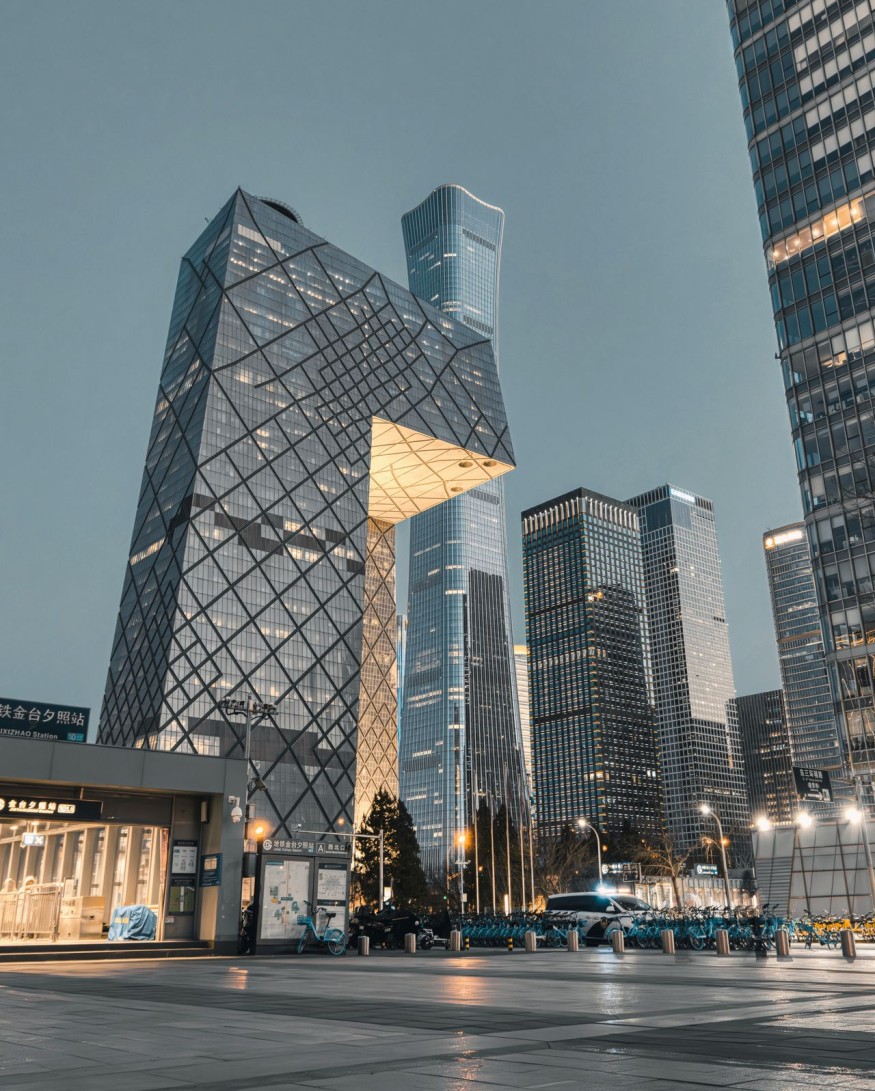
The designation follows the recent UIA World Congress of Architects 2026 in Barcelona, the current holder of the title. Beijing now joins a lineage that includes Rio de Janeiro in 2020 and Copenhagen in 2023, each of which used its year as World Capital of Architecture to spotlight different priorities, from climate adaptation to social housing to public space design.
What connects these cities is not a shared architectural style but a shared willingness to treat their built environment as a tool for solving real problems. Beijing's turn will likely bring its own set of priorities into focus, informed by its scale, its history, and the pace at which Chinese cities have transformed over the past few decades.
The UIA World Congress that Beijing will host is expected to bring together architects, planners, researchers, students, public officials, and representatives from international organizations. Past congresses have used this gathering to examine pressing global challenges including climate change, rapid urbanization, heritage conservation, and social inclusion, and Beijing's edition is expected to continue that pattern while adding its own regional perspective.
What This Recognition Signals for Cities Everywhere
Beijing's designation as World Capital of Architecture 2029 offers a useful case study for urban planners, architects, and policymakers far beyond China's borders. It suggests that architectural heritage does not have to be treated as a constraint on development. Handled well, it can become a foundation that gives a city's growth direction and identity, rather than something bulldozed to make room for progress.
For readers interested in sustainable urban development, the years leading up to 2029 are worth watching closely. Beijing will have a global platform to demonstrate how a city with thousands of years of history approaches modern challenges like housing density, public infrastructure, and environmental resilience without discarding what makes it distinct. Those interested in the full announcement and background on the designation can find further details through UNESCO's official release on the subject.
If Beijing's year lives up to its "Back to Balance" theme, it could shift how other cities think about the relationship between their past and their future, not as competing priorities, but as parts of the same design problem.


10 Low-Light Houseplants That Can Thrive in Your Home's Shadiest Corners

Staud Home Has Arrived With Playful Ceramics, Leather Goods and More

Don't Leave Your Empty Fireplace Bare: Designers Share What to Do Instead

Cold Minimalism Is Losing Ground. This Is What Designers Want Instead

The Essential Guide to Designing a Root Cellar for Winter Produce


