Should You Buy a Faux Indoor Tree? The Pros and Cons of Real vs. Artificial Plants
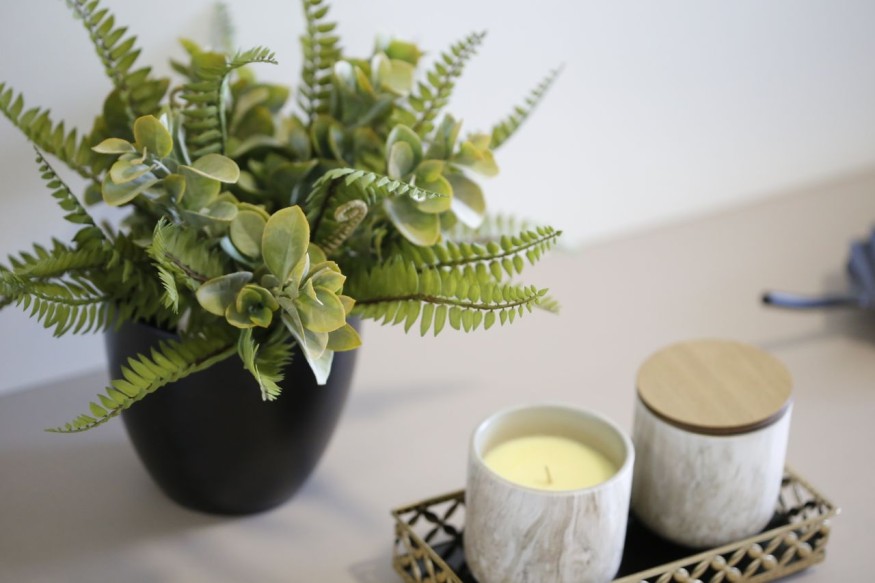
Indoor trees have become a popular way to bring height, texture, and visual interest into living spaces. Yet choosing between a faux indoor tree and a living plant is not always straightforward. Both can transform an empty corner, frame furniture, or add a natural-looking element to a room, but they require very different levels of care.
For homeowners deciding between faux vs real plants, factors such as natural light, maintenance, budget, and personal preference can make one option more practical than the other. A real indoor tree offers genuine growth and the experience of caring for a living plant, while artificial indoor plants provide a consistent appearance without watering or other routine care.
Understanding the indoor tree pros and cons can make the decision easier.
Are Faux Indoor Trees Better Than Real Indoor Trees?
There is no universal answer to whether a faux indoor tree is better than a real one. The right choice depends largely on the environment and the homeowner's expectations.
A faux tree can work particularly well in spaces that receive little natural light. Since it does not depend on sunlight, water, humidity, or soil conditions, it can be positioned almost anywhere. It also maintains its appearance throughout the year, making it an attractive option for homeowners who want greenery without regular plant care.
A real indoor tree, on the other hand, brings the changing character of a living plant into the home. New leaves, natural variations, and growth can make a room feel more organic. However, its appearance depends on whether its growing conditions are suitable.
The distinction is particularly important in homes where convenience is a priority. Artificial indoor plants can require little more than occasional dusting, while living trees need care that varies by species.
What Are the Pros and Cons of a Faux Indoor Tree?
The biggest advantage of a faux indoor tree is simplicity. It does not need watering, fertilizing, repotting, or a carefully chosen spot based on light requirements. That makes artificial greenery useful for busy households, frequent travelers, or rooms where living plants struggle.
A quality faux tree can also provide a predictable decorative element. Its foliage will not wilt during a vacation or change dramatically with the seasons. Modern options are available in a wide range of sizes and styles, allowing them to complement contemporary, traditional, minimalist, and eclectic interiors.
The disadvantages are mainly related to authenticity and upkeep. Lower-quality artificial trees can look noticeably synthetic, particularly when their leaves have overly uniform colors or unnatural shapes. They can also collect dust, meaning they still require occasional cleaning. In addition, a faux tree cannot provide the experience of watching a living plant grow.
What Are the Benefits of a Real Indoor Tree?
For homeowners who enjoy greenery as part of their daily environment, real indoor plants offer something artificial alternatives cannot fully reproduce. Living foliage has natural variations in shape, color, and texture, while growth can gradually change the character of a room.
A real tree can also become part of an interior design scheme rather than simply functioning as an accessory. A mature plant can anchor a reading nook, soften hard architectural lines, or add height beside a sofa or console.
There are many choices for different interiors and growing conditions. Some varieties are considered relatively forgiving, making them suitable candidates among low maintenance houseplants. Even so, every living tree has basic requirements that need to be met.
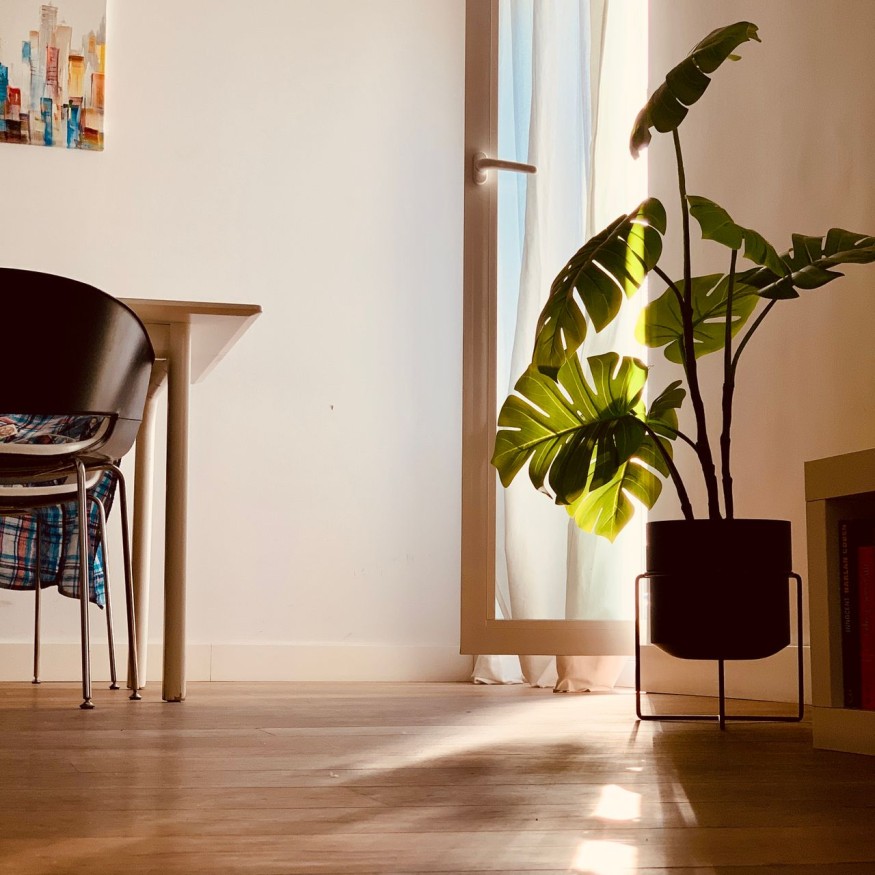
What Are the Best Indoor Trees for Different Homes?
The best indoor trees are not necessarily the largest or most dramatic varieties. The better choice depends on the available light, room size, temperature, humidity, and willingness to provide ongoing care.
For a bright room, a suitable living tree can add substantial greenery while taking advantage of available natural light. A darker space may be better suited to a carefully selected artificial tree, particularly when there is insufficient light for a living plant.
Room scale should also be considered. A compact tree can complement a small apartment without overwhelming the furniture, while a taller specimen can fill an otherwise empty corner in a larger living room.
When Should Someone Choose a Faux Indoor Tree?
A faux indoor tree can be especially practical when the goal is decorative greenery without the responsibilities of plant ownership.
- The room has limited natural light.
- The household frequently travels or has little time for plant care.
- A consistent appearance is important.
- The tree needs to occupy a location unsuitable for living plants.
- The homeowner wants greenery without worrying about watering or growth.
Faux or Real? The Better Choice Depends on the Room
Choosing between a faux indoor tree and a real indoor tree ultimately comes down to the conditions of the home and the level of care a homeowner wants to provide. Real trees bring natural growth and changing character, while artificial indoor plants offer convenience and dependable visual appeal.
For someone who enjoys caring for plants and has suitable growing conditions, a real tree can become a rewarding part of the interior. For someone prioritizing flexibility and minimal maintenance, a well-made faux tree can deliver a similar decorative effect with considerably less daily attention. In some homes, using both can make sense, with living plants placed where conditions are favorable and faux greenery used in more challenging spaces.
Frequently Asked Questions
1. Is a faux indoor tree better for a dark room?
A faux indoor tree can be a practical choice for a dark room because it does not require sunlight to maintain its appearance. A real tree may struggle if the space does not provide the light required by its species.
2. Do real indoor trees require a lot of maintenance?
Maintenance varies considerably by plant type. Some real indoor trees are relatively easy to care for, while others require more specific watering, light, humidity, pruning, or repotting conditions.
3. How can artificial indoor plants look more realistic?
Choosing foliage with varied colors, textures, and shapes can create a more natural appearance. A realistic planter, appropriate scale, and thoughtful placement can also help an artificial tree blend into an interior.
4. What are the best indoor trees for beginners?
The best indoor trees for beginners are generally varieties with manageable care requirements and growing conditions that match the home. Researching a plant's light and watering needs before purchasing is more useful than choosing solely by appearance.


Cushcore: The Cozy Decor Trend Making Homes Feel Softer This Fall

These 5 Common Household Items Could Be Making Your Home Feel Cluttered

Split-Level Home Designs Make a Comeback, and Modern Homeowners Take Notice

Designers Ditch Neutral Kitchens for Red With Surprisingly Chic Results

Gravel Gardens Explained: How to Design an Attractive Lower-Maintenance Landscape


