The Invisible Design Details That Make a Home Feel More Comfortable
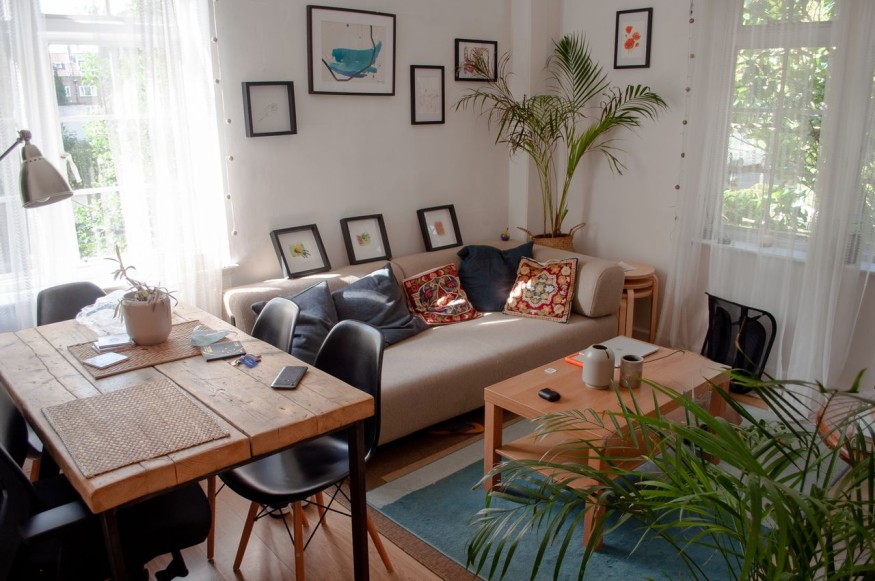
A comfortable home is not necessarily the one with the softest sofa or the largest number of cushions. Some of the most important factors affecting how a room feels are almost impossible to see.
Temperature, acoustics, airflow, lighting, humidity and circulation all contribute to the experience of being inside a space. When these elements work properly, they tend to disappear into the background. When they do not, even a beautifully decorated room can feel unpleasant.
Comfort Starts Before Furniture Is Selected
Furniture is usually one of the first things people consider when designing a room. Yet comfort begins much earlier.
The position of doors, windows and furniture affects how people move through a space. A chair placed directly in a circulation path can make a room feel cramped, while an otherwise attractive layout can become frustrating if there is no clear route between frequently used areas.
Good planning makes movement feel natural. The same principle applies to furniture ergonomics. A dining chair should support extended sitting. A sofa should suit the way people actually use the room. A kitchen counter should accommodate the user's height and routine.
These details rarely become visual focal points, but they can determine whether a room feels effortless.
Use Lighting to Shape the Atmosphere
Lighting is one of the most influential invisible design tools. A room illuminated entirely by one overhead fixture can feel very different from the same room illuminated with several layers. Ambient lighting establishes general visibility, task lighting supports specific activities, and accent lighting draws attention to architectural or decorative features.
Dimmers are particularly useful because they allow a room to change throughout the day. Bright illumination may be appropriate for cooking or working, while lower levels can make a living room feel more relaxed in the evening. Warmer light can also contribute to a softer atmosphere after sunset.
The important point is to design lighting around activities rather than simply choosing attractive fixtures.
Think About What the Room Sounds Like
Acoustics are easy to overlook because they are not visible. Hard floors, bare walls, large windows and high ceilings can create reverberation. In a dining room, that may make conversations difficult. In a bedroom, it can make the environment feel less restful.
Soft furnishings can help. Rugs, curtains, upholstered furniture and fabric wall treatments can absorb some sound and reduce excessive echo. Bookshelves and other irregular surfaces can also help break up sound reflections. This does not mean every room needs to be heavily carpeted or filled with textiles. The goal is balance.
Temperature Is Part of Interior Design
Heating and cooling systems are architectural considerations as much as mechanical ones. Furniture placement can affect airflow, while window orientation influences solar heat gain. In warm climates, shading and ventilation can make a major difference. In cooler climates, insulation and efficient windows can help maintain a stable indoor environment.
A visually impressive room that is consistently too hot or too cold will not feel comfortable. That is why thermal performance should be considered early in a renovation or new build. Strategies such as exterior shading, appropriate glazing, ceiling fans, insulation and efficient HVAC systems can contribute to comfort without becoming prominent visual features.
Materials Should Be Considered Through Touch
A room is not experienced only through the eyes. Wood, stone, linen, wool, ceramic and other natural materials introduce different tactile qualities. A smooth stone countertop, textured wool rug and natural wood handrail each provide a different sensory experience.
Texture can also make a restrained room feel more substantial. Instead of filling a minimalist space with decorative objects, designers can introduce depth through material variation. Linen curtains, a woven rug and a timber side table can provide richness without creating visual clutter.
Design for Air and Humidity
Indoor air quality is another part of invisible comfort. Fresh air, appropriate ventilation and humidity control can affect how a home feels from moment to moment. Kitchens and bathrooms require particular attention because cooking, bathing and cleaning introduce moisture and odors.
Mechanical ventilation can help in tightly sealed homes, while operable windows may provide natural ventilation where climate and conditions allow. The goal is not to make air management noticeable. Ideally, it should simply support a home that feels fresh and comfortable.
Five Invisible Design Decisions That Make a Difference
- Layer the lighting. Combine ambient, task and accent lighting instead of relying on one ceiling fixture.
- Control sound. Use rugs, curtains and upholstered pieces to reduce excessive reverberation.
- Plan airflow. Avoid blocking vents and consider how air moves through frequently occupied rooms.
- Choose tactile materials. Combine different textures to create sensory depth.
- Design around routines. Arrange rooms according to how people actually move, sit, work, eat and relax.
The Most Comfortable Homes Make Good Design Feel Effortless
Invisible comfort is ultimately about designing for the complete experience of living in a home. A room can photograph beautifully while still being too bright, too echoing, too hot or awkward to move through.
The most successful interiors account for these details before decorative decisions are made. When temperature, sound, lighting, airflow, ergonomics and materiality work together, comfort becomes something residents experience rather than something they consciously notice.
Frequently Asked Questions
1. What is sensory interior design?
Sensory interior design considers how a home is experienced through multiple senses, including sight, hearing and touch, rather than focusing exclusively on visual appearance.
2. How can a room feel more comfortable without adding furniture?
Lighting, acoustics, temperature control, textiles and better furniture placement can improve comfort without increasing the number of objects in a room.
3. What materials make a home feel cozy?
Natural materials such as wood, linen, wool, cotton, woven fibers and textured stone can introduce tactile warmth and visual depth.
4. Why are acoustics important at home?
Poor acoustics can create excessive echo and make conversation or relaxation difficult. Rugs, curtains, upholstery and other sound-absorbing materials can help create a quieter environment.


Staud Home Has Arrived With Playful Ceramics, Leather Goods and More

Don't Leave Your Empty Fireplace Bare: Designers Share What to Do Instead

The Essential Guide to Designing a Root Cellar for Winter Produce

5 Home Decor Items Interior Designers Skip, and What They Choose Instead

10 Low-Light Houseplants That Can Thrive in Your Home's Shadiest Corners


