Walk-In Shower vs Bathtub: Choosing the Right Fit for Your Bathroom and Lifestyle
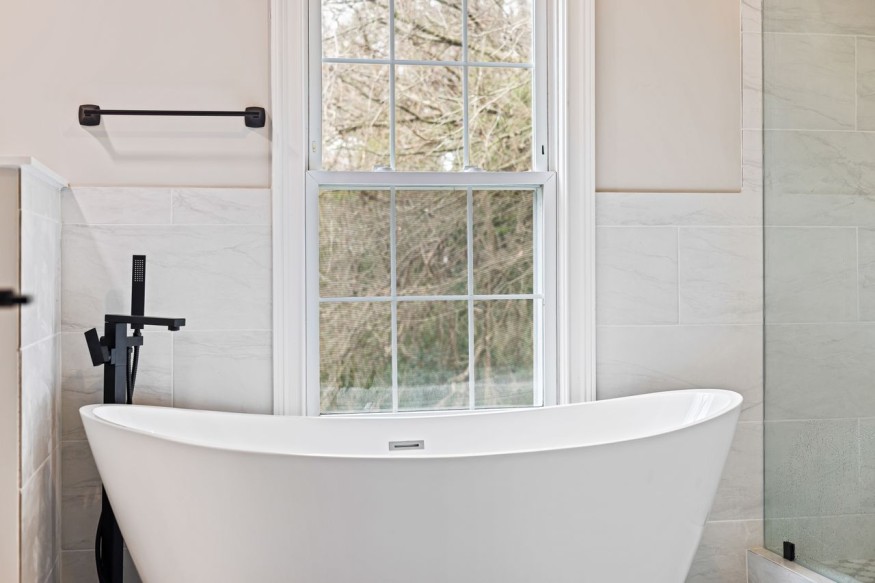
Choosing between a walk-in shower and a bathtub is one of the most important decisions during a bathroom remodel. While both options serve the same basic purpose, they offer very different experiences, design opportunities, and practical benefits. The right choice depends on available space, household needs, lifestyle preferences, and long-term goals for the home.
For homeowners weighing the walk-in shower vs bathtub debate, understanding the strengths and limitations of each option can make the decision much easier.
What Is a Walk-In Shower?
A walk-in shower is a showering space designed for easy entry without the need to step over a high tub wall. Many modern designs feature glass enclosures, sleek tile work, and open layouts that create a spacious feel.
A well-planned walk-in shower design can transform an ordinary bathroom into a contemporary retreat while improving accessibility and daily convenience.
Some common features include:
- Frameless glass panels
- Built-in storage niches
- Rainfall showerheads
- Curbless entries
- Integrated benches
Walk-in showers are often favored in modern renovations because they can make a bathroom appear larger and more open.
What Is a Bathtub?
A bathtub is a fixture designed for soaking and bathing. Available in a variety of styles, tubs remain a popular choice for homeowners seeking comfort, relaxation, or family-friendly functionality.
Popular bathtub options include:
- Alcove bathtubs
- Freestanding tubs
- Deep soaking tubs
- Whirlpool tubs
Bathtubs continue to appeal to households with young children and individuals who enjoy long, relaxing baths after a busy day.
Walk-In Shower vs Bathtub: Key Differences
When comparing walk-in shower vs bathtub, several factors should be considered before making a final choice.
Space Requirements
One of the biggest differences is how much room each option requires.
Walk-in showers can fit into compact bathrooms and often maximize usable floor space. Bathtubs generally require a larger footprint, especially freestanding models that need clearance around the fixture.
For small bathrooms, a shower may create a more open and functional layout.
Daily Convenience
For many people, a shower is the faster option for everyday routines. Entering and exiting a walk-in shower is typically easier than climbing over a bathtub wall.
Bathtubs, however, offer a different experience focused on soaking and relaxation rather than speed and convenience.
Cleaning and Maintenance
Maintenance requirements vary depending on materials and design choices.
Walk-in showers often have:
- Glass panels that require regular cleaning
- Tile grout that may need occasional maintenance
- Easy-to-access surfaces
Bathtubs generally have fewer vertical surfaces but may require more effort when scrubbing deeper interiors.
Accessibility
Accessibility plays a major role in many remodeling projects.
Walk-in showers are often considered a practical solution because they can accommodate:
- Curbless entries
- Grab bars
- Shower benches
- Wider openings
These features make them attractive for aging homeowners and anyone planning for long-term usability.
Shower or Tub Which Is Better for Different Households?
The answer to shower or tub which is better depends largely on how the bathroom will be used.
Best for Busy Professionals
A walk-in shower often suits homeowners who value efficiency and a streamlined morning routine. Quick access and modern aesthetics make it a practical choice.
Best for Families
Families with infants and young children often appreciate the convenience of having at least one bathtub in the home. Bath time can be simpler and more comfortable for children.
Best for Relaxation
For homeowners seeking a spa-like experience, a bathtub provides opportunities for soaking and unwinding that a shower cannot fully replicate.
Best for Aging in Place
Walk-in showers are frequently preferred for accessibility planning because they reduce stepping obstacles and support safer movement.
Bathroom Layout Decision: Factors to Consider
A successful bathroom layout decision involves more than choosing a fixture. The overall flow and functionality of the room matter just as much.
Before deciding, consider:
- Bathroom size and dimensions
- Number of bathrooms in the home
- Household members' needs
- Future resale considerations
- Renovation budget
In homes with multiple bathrooms, many designers recommend maintaining at least one bathtub while incorporating walk-in showers elsewhere.
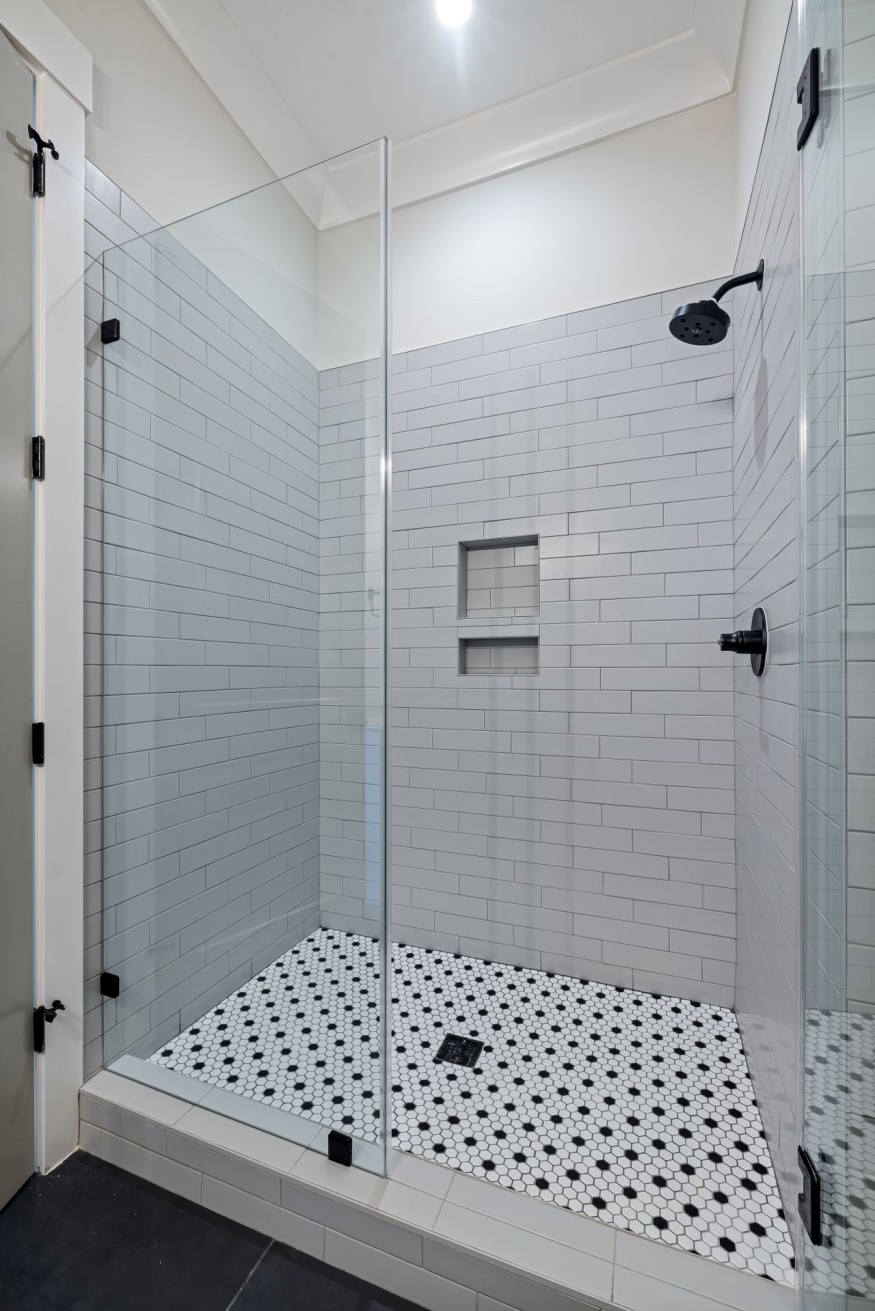
Walk-In Shower Design Ideas for Modern Bathrooms
Today's walk-in shower design options offer flexibility for nearly every style preference.
Minimalist Designs
Minimalist showers focus on clean lines and simple materials. Frameless glass and large-format tile help create a clutter-free appearance.
Spa-Inspired Spaces
Spa-inspired bathrooms often include features such as:
- Rainfall showerheads
- Built-in benches
- Natural stone finishes
- Soft lighting
These details contribute to a relaxing environment.
Small Bathroom Solutions
In compact spaces, a walk-in shower can visually expand the room by reducing barriers and improving sightlines.
Corner installations and clear glass enclosures are popular strategies for maximizing space.
Does Removing a Bathtub Affect Home Value?
This is one of the most common questions homeowners ask during a remodel.
The answer depends on the local market and the home's overall layout. In many cases, retaining at least one bathtub can appeal to future buyers who have children or simply prefer having the option to soak.
However, replacing an outdated tub with a thoughtfully designed walk-in shower can also increase appeal, particularly in homes targeting modern lifestyles and accessibility.
The best approach is often determined by the home's existing bathroom setup rather than a one-size-fits-all rule.
Finding the Right Bathroom Upgrade for Your Home
The choice between a walk-in shower and a bathtub ultimately comes down to how the space will serve the people who use it every day. Walk-in showers offer accessibility, contemporary style, and efficient use of space. Bathtubs provide relaxation, versatility, and family-friendly functionality.
By carefully evaluating lifestyle needs, available square footage, and long-term plans, homeowners can make a bathroom layout decision that enhances both comfort and practicality for years to come.
Frequently Asked Questions
1. Is a walk-in shower better than a bathtub?
A walk-in shower may be better for accessibility, convenience, and smaller bathrooms. A bathtub may be better for relaxation and households with young children. The best choice depends on individual needs and lifestyle.
2. Can a walk-in shower fit in a small bathroom?
Yes. Walk-in showers are often an excellent solution for small bathrooms because they can create a more open appearance and make better use of limited space.
3. Should every home have at least one bathtub?
Many design professionals recommend keeping at least one bathtub in the home when possible, particularly for families and future resale flexibility.
4. What features should be included in a walk-in shower design?
Popular features include frameless glass, built-in storage niches, rainfall showerheads, non-slip flooring, benches, and curbless entries for improved accessibility.


Stuck With a Tub-Shower Combo in Your NYC Rental? Here's How to Make It Work

Glidden's New 2027 Color of the Year Makes a Strong Case for Smoky Blue

Love Open Shelving? Designers Say It Could Be Adding Visual Clutter

Before You Decorate for Fall, Remove These 6 Things From Your Front Porch

The Best Way to Furnish a Small NYC Apartment Without Making It Feel Cramped


