Struggling With Clutter? The 3 Homes Rule Makes Organizing Easier
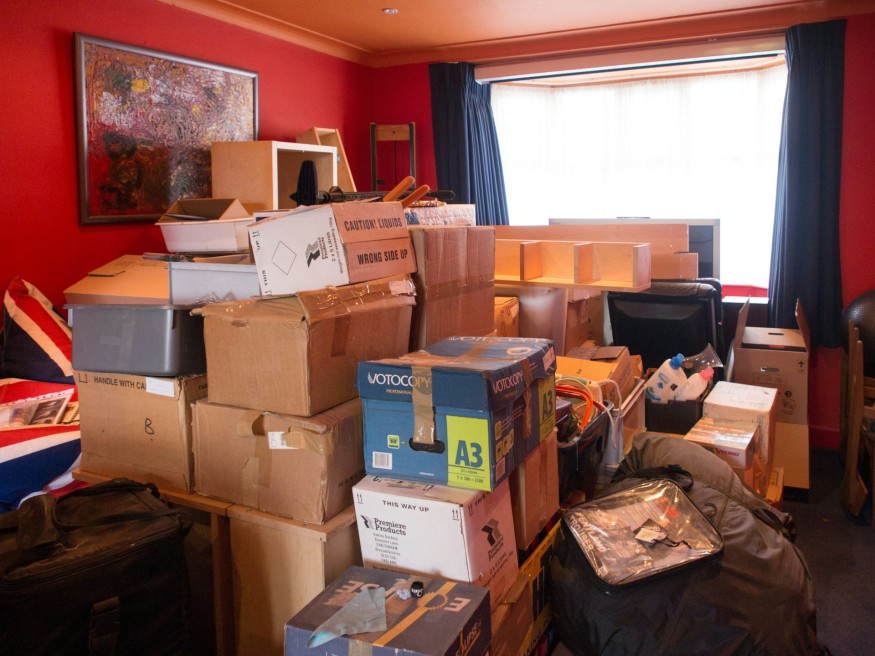
Decluttering can feel overwhelming when household belongings accumulate without a clear place to go. From crowded kitchen drawers to overflowing closets, clutter often develops because items are put down temporarily and never returned to an appropriate location. The 3 Homes Rule offers a simple solution by giving every item one of three destinations: keep it, move it, or let it go.
This practical organizing method helps homeowners make quicker decisions without purchasing expensive storage products or attempting to reorganize an entire house at once. By focusing on what belongs in a space, what needs relocating, and what no longer serves a purpose, the process becomes easier to manage.
The method can be applied to kitchens, bedrooms, bathrooms, living rooms, and home offices. It also encourages habits that help prevent clutter from returning after the initial organizing session.
What Is the 3 Homes Rule?
The 3 Homes Rule is a decluttering framework built around three simple decisions.
Keep: Items that are useful, regularly used, or meaningful remain in the home and receive an appropriate storage location.
Move: Belongings that still serve a purpose but are stored in the wrong place are returned to a more suitable location.
Let go: Items that are no longer useful or wanted can be donated, sold, recycled, or discarded responsibly, depending on their condition.
For example, a screwdriver found in a kitchen drawer belongs in a designated tool storage area. An unused kitchen gadget might be donated, while everyday utensils can remain in an accessible drawer.
The method works because it gives every item a clear destination instead of allowing belongings to circulate between countertops, shelves, and temporary storage piles.
Although the 3 Homes Rule is best understood as a practical organizing framework rather than a formally standardized professional method, its straightforward approach makes it easy to incorporate into everyday routines.
How to Use the 3 Homes Rule to Declutter
1. Start With One Small Area
Choose a manageable space, such as a bedside table, bathroom vanity, or kitchen drawer. Starting small prevents the process from becoming overwhelming and allows the area to be completed in one session.
Remove the items and group similar belongings together when useful. This makes duplicates, forgotten possessions, and misplaced objects easier to identify.
Avoid emptying several rooms simultaneously. Completing one area before moving to another helps maintain order throughout the home.
2. Decide What Deserves to Stay
Consider whether each item is useful, regularly used, or genuinely valued. Belongings that meet these criteria can remain, provided they have an appropriate storage location.
Everyday cookware might belong in an accessible kitchen cabinet, while frequently used toiletries can stay in a bathroom organizer.
Not everything needs to be used daily to deserve a place in the home. Seasonal decorations, important documents, and sentimental keepsakes may still be worth keeping when they serve a clear purpose.
The goal is to make intentional decisions rather than discard belongings simply to create empty surfaces.
3. Relocate Items That Belong Elsewhere
Misplaced belongings can make rooms look cluttered even when the household does not own too many things.
A charging cable left in the living room might belong in an electronics drawer. Books scattered across a dining table can return to a bookshelf, while paperwork can be moved to a designated home office area.
Return relocated belongings to their proper places before ending the session. Leaving temporary piles around the house only transfers the clutter elsewhere.
If the same objects repeatedly end up in the wrong room, consider whether their storage locations are inconvenient or difficult to access.
4. Let Go of Unnecessary Belongings
The final category includes items that no longer serve a useful or meaningful purpose.
Examples include expired toiletries, broken objects that cannot reasonably be repaired, duplicate kitchen tools, and clothing that no longer fits.
Before throwing things away, consider donating usable belongings, selling items in good condition, or recycling materials when appropriate. Electronic waste and certain household products may require special disposal methods.
Sentimental belongings deserve a thoughtful approach. Rather than forcing an immediate decision about photographs, inherited objects, or meaningful gifts, consider creating a dedicated space for them.
Decluttering should make a home more functional without requiring homeowners to part with everything they value.
Apply the 3 Homes Rule to Different Rooms
The method works particularly well when each room has a clear purpose.
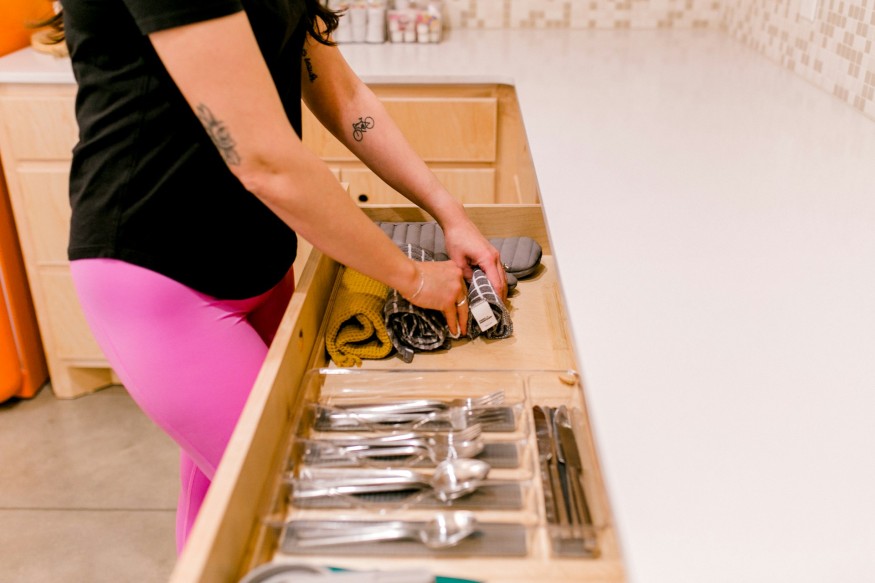
Kitchen: Keep frequently used cookware and utensils accessible, relocate items that belong elsewhere, and donate duplicate tools that rarely get used.
Bedroom: Return clothing and accessories to designated storage areas. Separate regularly worn garments from pieces that no longer fit or serve a purpose.
Bathroom: Keep everyday toiletries within reach, store backup supplies together, and remove expired products when appropriate.
Living room: Give books, remote controls, blankets, and entertainment accessories permanent storage locations. Remove unnecessary objects that crowd tables and shelves.
Home office: Separate active paperwork from documents that need archiving or secure disposal. Keep frequently used supplies near the workspace.
These small adjustments help reduce visual clutter while making everyday activities easier.
How to Keep Clutter From Returning
Maintaining an organized home requires consistent habits rather than occasional, intensive cleaning sessions.
Return belongings to their designated locations after use. If an item repeatedly ends up on a countertop or chair, reconsider whether its assigned storage location is convenient enough.
Regularly review high-traffic areas, including entryways, kitchen counters, and bathroom vanities. These surfaces often collect items because they provide convenient places to put things temporarily.
A short daily reset can help restore order, while periodic reviews can identify belongings that have accumulated over time.
Avoid purchasing storage containers before deciding what needs to be stored. Additional baskets and organizers can sometimes conceal excess belongings instead of addressing the underlying problem.
The goal is to establish a system that works with the household's routines and available space.
Create a More Organized Home With Three Simple Decisions
The 3 Homes Rule makes decluttering more manageable by giving every item a clear destination. Deciding what to keep, relocate, or remove helps homeowners reduce unnecessary clutter without turning the process into an overwhelming project.
Starting with one drawer or shelf allows the method to become a repeatable habit. Combined with practical storage arrangements and regular maintenance, these three decisions can make household spaces easier to use and maintain.
An organized home does not require every possession to be hidden or every room to look perfectly styled. It requires belongings to have a purpose and a suitable place. By applying the 3 Homes Rule consistently, homeowners can create more functional spaces that support everyday living.
Frequently Asked Questions
1. What is the 3 Homes Rule in decluttering?
The 3 Homes Rule is an organizing method that assigns belongings to three categories: keep them in the appropriate location, move them somewhere more suitable, or remove them from the home.
2. Where should someone start with the 3 Homes Rule?
Start with a small area, such as a drawer, shelf, or countertop. Completing one manageable space helps build momentum before moving on to larger rooms.
3. Does the 3 Homes Rule mean throwing things away?
No. The method helps distinguish between useful belongings, misplaced items, and possessions that are no longer needed. Usable items can be donated, sold, or recycled instead of discarded.
4. How often should the 3 Homes Rule be used?
Use it whenever clutter begins to accumulate. Short daily resets and periodic organizing sessions can help maintain order without requiring frequent, extensive decluttering projects.


Halle Berry's Longtime Sunset Strip Home Hits the Market for Nearly $12 Million

Marilyn Monroe's Former Palm Springs Home Sells for $2.81 Million as New Owner Plans Restoration

Where to Buy a Christmas Tree in 2026, From Charlie Brown Chic to Ralph Lauren Classics

Sad Beige Baby Trend: Why Neutral Nurseries Are Dividing Parents and Designers

Sherwin-Williams's 2027 Color Forecast Unveils 48 Rich Colors to Refresh Your Home in 2027


