Creating a Pet-Friendly Balcony: Safety Features Every Owner Should Consider
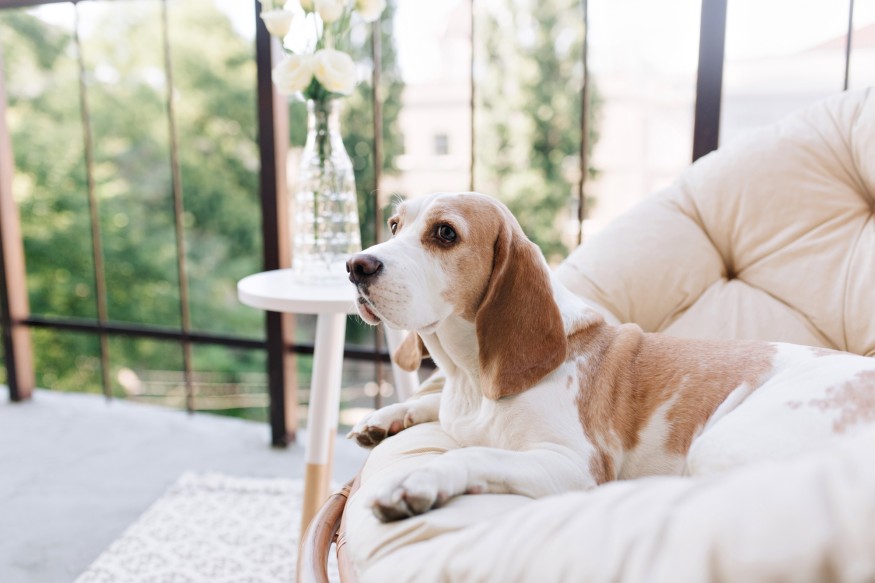
A balcony can provide valuable outdoor space for apartment residents, offering opportunities to enjoy fresh air, natural light, and views of the surrounding environment. For households with cats and small dogs, however, these spaces require additional planning before pets are allowed to use them.
Open railings, narrow gaps, elevated surfaces, and unsecured furniture can create serious hazards for curious animals. Even pets that are generally calm indoors may become distracted by birds, insects, passing vehicles, or unfamiliar sounds.
Cats are particularly vulnerable to falls because their curiosity and climbing instincts can lead them toward exposed railings. Small dogs may also squeeze through openings or attempt to jump onto surfaces that bring them dangerously close to the balcony edge.
The solution is to approach balcony design with both safety and comfort in mind. Protective barriers, appropriate flooring, pet-friendly furnishings, and carefully selected plants can help transform an exposed outdoor area into a more secure environment.
According to FOUR PAWS' guide to cat-proof balconies, properly installed protective netting can help prevent cats from climbing out of or falling from balconies.
1. Install a Secure Balcony Enclosure
The most important step in designing a pet-safe balcony is securing its perimeter.
Balcony railings with wide gaps, horizontal bars, or open sections can allow cats and small dogs to slip through. Protective netting or a professionally installed enclosure can help eliminate these openings.
Pet-safe balcony netting should cover the necessary exposed areas, including the space between the railing and ceiling. Homeowners should also inspect corners, attachment points, and areas where the enclosure meets walls to ensure there are no escape routes.
For apartments where drilling is prohibited, certain systems use tension-mounted poles or other removable supports. However, these installations must be appropriate for the balcony's construction and capable of withstanding the expected forces.
2. Choose the Right Protective Material
Not all protective barriers offer the same level of security. The appropriate material depends on the animal's size, behavior, and ability to climb or chew.
For cats, purpose-designed protective netting can help prevent falls and escape attempts. The openings should be small enough to prevent the animal from squeezing through or becoming trapped.
Small dogs may require more rigid barriers, particularly if they are capable of pushing against or chewing through flexible materials.
Homeowners should consider the following factors when selecting an enclosure:
- Durability: Choose materials designed for outdoor exposure, including sunlight, moisture, and changing weather conditions.
- Secure attachments: Ensure that netting and barriers are firmly connected to suitable structural supports.
- Appropriate openings: Check that gaps are too small for pets to squeeze through or become caught in.
- Climbing resistance: Avoid arrangements that provide convenient footholds for animals attempting to climb over the barrier.
- Regular maintenance: Inspect the enclosure for loose fittings, tears, corrosion, and other signs of deterioration.
For rented apartments or condominiums, homeowners should also check building regulations and obtain any required approvals before installation.
3. Select Pet-Friendly Balcony Furniture
Once the perimeter is secured, furniture can help make the balcony more comfortable.
Low-profile seating, compact outdoor benches, and weather-resistant cushions can create an inviting environment without unnecessarily reducing available floor space.
However, furniture placement requires particular attention. Chairs, tables, storage boxes, and plant stands should not be positioned near railings where pets could use them as stepping stones.
4. Use Non-Slip and Comfortable Flooring
Balcony flooring can affect how comfortably pets move around the space.
Smooth tiles may become slippery when wet, creating difficulties for small dogs and older animals. Excessively rough surfaces can also irritate paws.
Non-slip outdoor flooring, textured deck tiles, and suitable outdoor rugs can provide additional traction. Homeowners should select materials designed for exterior use and ensure that water can drain properly.
Artificial turf may also be considered, although it requires regular cleaning and maintenance to prevent odors and bacterial buildup.
5. Create Shaded Areas and Provide Fresh Water
Outdoor exposure can be uncomfortable or dangerous when pets have no access to shade.
A compact outdoor umbrella, approved balcony shade, or appropriately positioned canopy can help reduce direct sunlight. The selected covering should be securely installed and should not interfere with the protective enclosure.
A shaded resting area is particularly important during warmer months. Cats and small dogs should always have access to fresh drinking water when spending time outdoors.
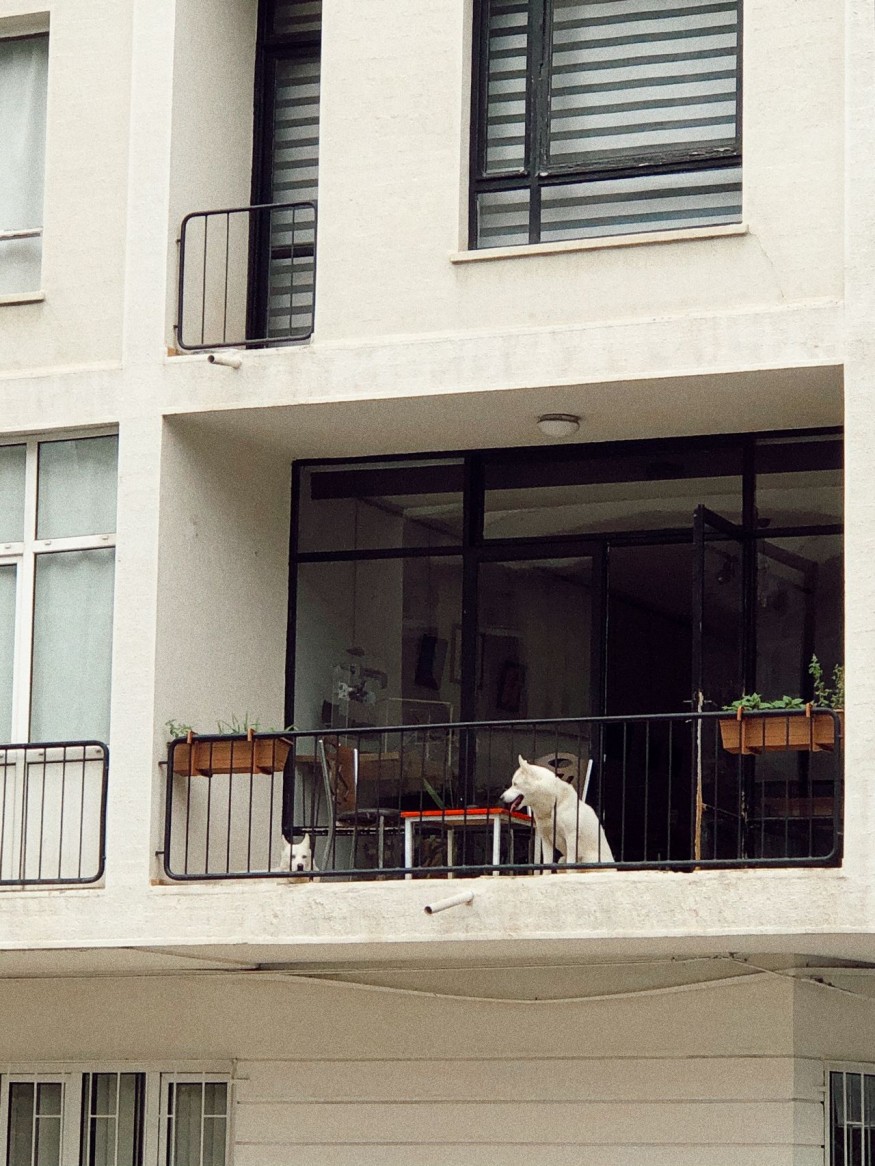
6. Choose Plants That Are Safe for Cats and Dogs
Plants can make a balcony feel more inviting, introducing greenery, texture, and natural color. However, not every ornamental plant is suitable for households with animals.
Some popular varieties, including lilies, can be extremely dangerous to cats. Other plants may cause digestive irritation or more serious reactions if chewed or swallowed.
Homeowners should verify the safety of every plant before introducing it to the balcony. The ASPCA's toxic and non-toxic plant database provides a useful reference for checking individual species.
Planters should also be stable enough to prevent accidental tipping. Avoid placing them near railings or using containers that can easily be knocked over.
7. Remove Potentially Dangerous Accessories
A well-designed balcony should minimize objects that could cause injury or create opportunities for escape.
Loose cords, unstable decorative pieces, exposed electrical connections, and small objects that pets could swallow should be removed or secured.
Outdoor grills and cooking equipment should also be inaccessible to animals. Their surfaces can remain hot even after use, while food scraps and cooking materials may introduce additional risks.
8. Maintain Supervision and Establish Safe Outdoor Routines
Even a carefully designed enclosure does not eliminate every potential hazard.
Pets should be supervised whenever they use the balcony, particularly during their first few visits. Their behavior should be observed to identify climbing attempts, chewing, anxiety, or other activities that could compromise the enclosure.
Homeowners should also establish clear routines for balcony access. Keeping the connecting door secure when the space is not being used can prevent unsupervised entry.
Designing a Balcony That Accommodates Every Household Member
A pet-friendly balcony should offer more than attractive outdoor furniture and decorative greenery. Its design must account for the physical and behavioral needs of the animals using the space.
Protective enclosures, appropriate flooring, shaded resting areas, and carefully selected accessories can help create a more comfortable environment for cats and small dogs.
Homeowners should also recognize that balcony safety depends on ongoing maintenance. Protective netting, attachment points, furniture, and other installations need regular inspection to ensure they remain secure.
With thoughtful planning, an apartment balcony can become a more functional extension of the home while providing pets with a controlled opportunity to experience the outdoors.
Frequently Asked Questions
1. How can a balcony be made safe for cats?
Install a secure, purpose-designed enclosure that covers exposed railings and prevents cats from climbing out or squeezing through gaps. Inspect the installation regularly and supervise balcony access.
2. Can small dogs use apartment balconies?
Yes, provided the balcony has secure barriers, appropriate flooring, shade, and no accessible gaps through which the dog could escape. Supervision is still necessary.
3. What is the best flooring for a pet-friendly balcony?
Non-slip outdoor tiles, textured decking, and suitable outdoor rugs can provide traction. Materials should also be weather-resistant, easy to clean, and comfortable underfoot.


Oheka Castle, Featured in Taylor Swift's 'Blank Space' Video, Sells for $72 Million

Florals, Gingham, and Chintz Are Among the Biggest Pattern Trends for 2027

El Niño Gardening Guide: Ways to Protect Your Lawn and Plants From Heat and Drought

These 6 Christmas Decorating Themes Will Make Homes Feel Extra Special in 2026

Céline Dion's Custom-Built Florida Mansion Sells in $12.5 Million Deal


