From Statement Chandeliers to Pendants: Dining Room Lighting Ideas to Try
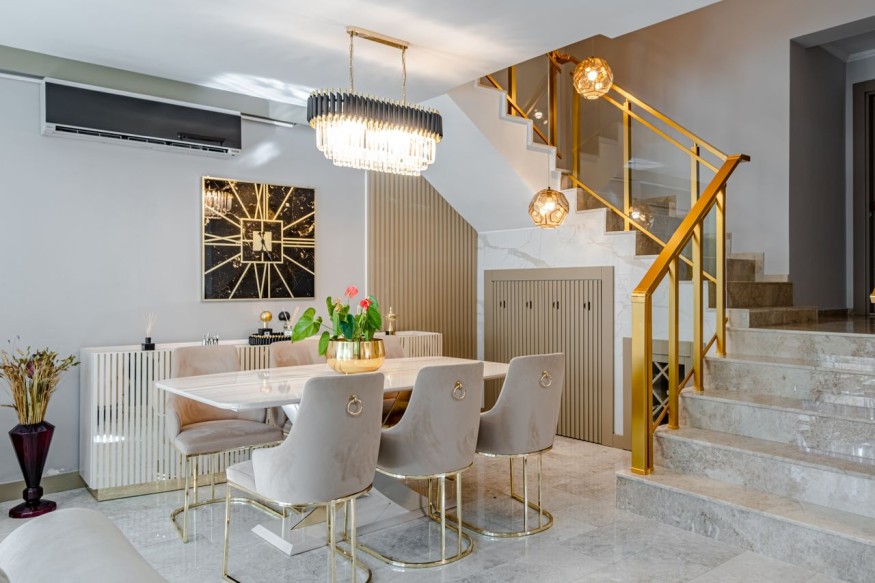
Dining rooms serve several purposes beyond providing a place to eat. They can become gathering spaces for family celebrations, dinner parties, casual conversations, and even everyday activities such as working or studying. Because the room accommodates different occasions, its lighting should be equally versatile.
A thoughtfully selected fixture can establish the room's visual identity, highlight architectural details, and create an inviting atmosphere. However, relying on a single overhead light may not provide enough flexibility for different activities.
Interior designers often recommend combining ambient, task, and accent lighting to create a more balanced environment. This layered approach allows homeowners to adjust the room's brightness while introducing additional visual interest.
The right lighting arrangement also depends on the dining table's dimensions, ceiling height, furniture placement, and natural light. Considering these elements before selecting fixtures helps ensure the finished design feels cohesive.
1. Make a Statement With an Oversized Chandelier
A chandelier remains one of the most recognizable dining room lighting choices. Its central placement above the dining table naturally draws attention, making it an effective focal point.
For contemporary interiors, sculptural chandeliers with organic silhouettes, unusual proportions, or artistic arrangements can introduce personality. Traditional spaces may benefit from crystal fixtures, brass detailing, or more elaborate designs.
Scale is particularly important. An oversized chandelier can make a dramatic impression in a spacious dining room, but it should not overwhelm the table or obstruct conversations.
According to Pottery Barn's dining room lighting guide, chandelier dimensions should be considered in relation to the dining table and ceiling height. The guide suggests positioning the fixture approximately 30 to 36 inches above the tabletop for an eight-foot ceiling.
2. Choose Linear Pendants for Long Dining Tables
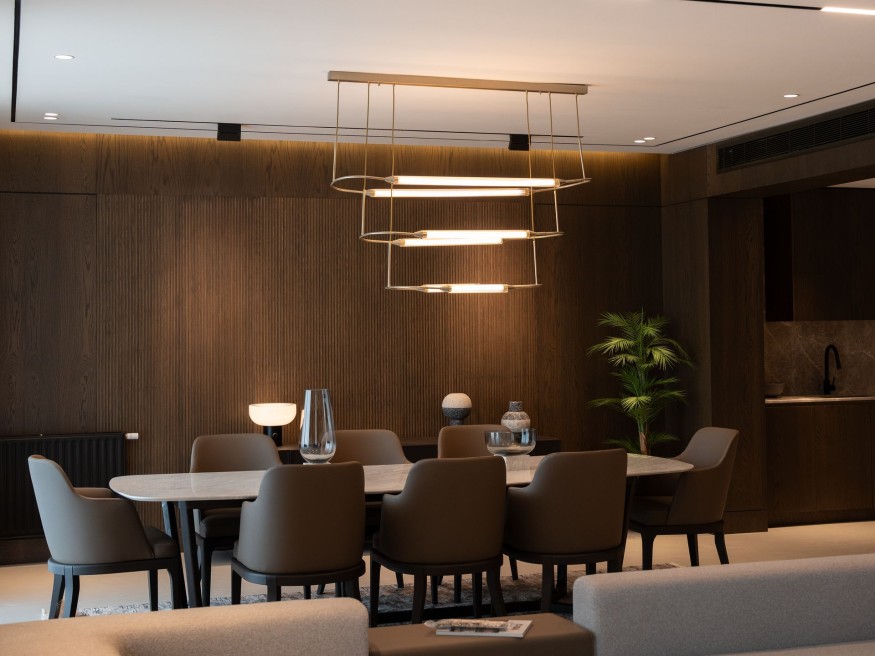
Linear pendant lights are particularly suitable for rectangular dining tables. Their elongated silhouettes distribute illumination across a wider surface, helping create a balanced arrangement.
These fixtures are available in various designs, including slim metal bars, glass compositions, sculptural forms, and minimalist LED installations.
For a more distinctive arrangement, homeowners can also consider several smaller pendants positioned in a row. This approach introduces visual rhythm while providing illumination across the table.
The important consideration is maintaining appropriate spacing. Fixtures should be arranged so that the light is distributed evenly without becoming visually crowded.
3. Introduce Warmth With Glass Lighting
Glass lighting can bring an additional decorative element to dining rooms. Transparent, tinted, textured, or hand-blown glass fixtures introduce visual interest while allowing light to interact with the surrounding space.
Murano-inspired glass pendants are particularly appealing for interiors that favor artistic details. Their organic forms and distinctive finishes can make even a relatively simple dining room feel more considered.
Clear glass is suitable for spaces that benefit from a lighter appearance, while amber, smoked, and colored glass can create a warmer atmosphere.
4. Layer Lighting With Wall Sconces
Wall sconces provide illumination beyond the dining table, helping prevent the room from feeling overly dependent on its central fixture.
Positioned beside artwork, architectural details, or a buffet cabinet, they can create additional visual depth. Their placement can also help balance a room where the dining table is not centered beneath the ceiling light.
For a cohesive look, homeowners can select sconces that complement the finish or silhouette of their chandelier. Alternatively, contrasting materials can introduce a more collected appearance.
5. Add Decorative Lamps to a Sideboard
A table lamp on a sideboard or console provides a softer source of illumination that can make the dining room feel more relaxed.
Unlike overhead fixtures, table lamps create localized pools of light. This makes them particularly useful during intimate dinners or occasions when the main chandelier does not need to operate at full brightness.
Ceramic bases, sculptural silhouettes, linen shades, and vintage-inspired designs can also reinforce the room's decorative style.
6. Consider Recessed Lighting for a Clean Appearance
Recessed lighting is a practical option for homeowners who prefer a relatively understated ceiling. Installed directly into the ceiling, these fixtures provide general illumination without introducing additional visual clutter.
They can work particularly well in contemporary interiors, especially when combined with a statement pendant or chandelier above the dining table.
However, recessed fixtures should be positioned carefully. Their purpose is to support the room's overall lighting plan rather than compete with its decorative centerpiece.
7. Use Dimmer Switches for a More Flexible Atmosphere
The ability to adjust brightness can make a significant difference in how a dining room functions.
Bright lighting may be appropriate for everyday meals, cleaning, or activities that require better visibility. Softer illumination can create a more intimate atmosphere for dinner parties and evening gatherings.
Installing dimmer switches on compatible lighting circuits allows homeowners to make these adjustments without changing fixtures.
Choosing warm-white bulbs can also help establish a welcoming atmosphere. A color temperature around 2700K to 3000K is a common starting point for residential dining spaces.
8. Highlight Artwork With Picture Lighting
Artwork can become another source of visual interest in a dining room, and dedicated picture lights help draw attention to framed pieces.
These fixtures are especially effective above sideboards, gallery walls, and decorative installations. Their focused illumination creates a subtle distinction between the artwork and the surrounding wall.
For a polished result, homeowners should consider the size of the artwork and the beam coverage when selecting a fixture.
Creating a Dining Room That Feels Inviting
Successful dining room lighting is not necessarily about choosing the most elaborate chandelier or installing the largest number of fixtures. Instead, it involves understanding how different light sources contribute to the room's functionality and atmosphere.
A statement pendant can establish the focal point, while wall sconces, table lamps, and recessed fixtures provide additional illumination. When these elements work together, the dining room becomes more adaptable to everyday routines and special occasions.
By considering fixture proportions, light temperature, placement, and brightness controls, homeowners can create a dining space that feels both practical and visually appealing.
Frequently Asked Questions
1. What type of lighting is best for a dining room?
A combination of ambient, task, and accent lighting is generally effective. A chandelier or pendant can provide central illumination, while sconces and table lamps add additional layers.
2. How high should a chandelier hang above a dining table?
For an eight-foot ceiling, a common guideline is to position the bottom of the chandelier approximately 30 to 36 inches above the tabletop.
3. What color temperature is best for dining room lighting?
Warm-white lighting between approximately 2700K and 3000K is a popular choice because it creates a comfortable atmosphere.
4. Are pendant lights suitable for small dining rooms?
Yes. Compact pendants can provide focused illumination without taking up floor space. Selecting a fixture proportionate to the table helps maintain visual balance.


Oheka Castle, Featured in Taylor Swift's 'Blank Space' Video, Sells for $72 Million

Florals, Gingham, and Chintz Are Among the Biggest Pattern Trends for 2027

El Niño Gardening Guide: Ways to Protect Your Lawn and Plants From Heat and Drought

These 6 Christmas Decorating Themes Will Make Homes Feel Extra Special in 2026

Céline Dion's Custom-Built Florida Mansion Sells in $12.5 Million Deal


