6 Antiques That Can Make Your Home Look Dated and How to Style Them Better
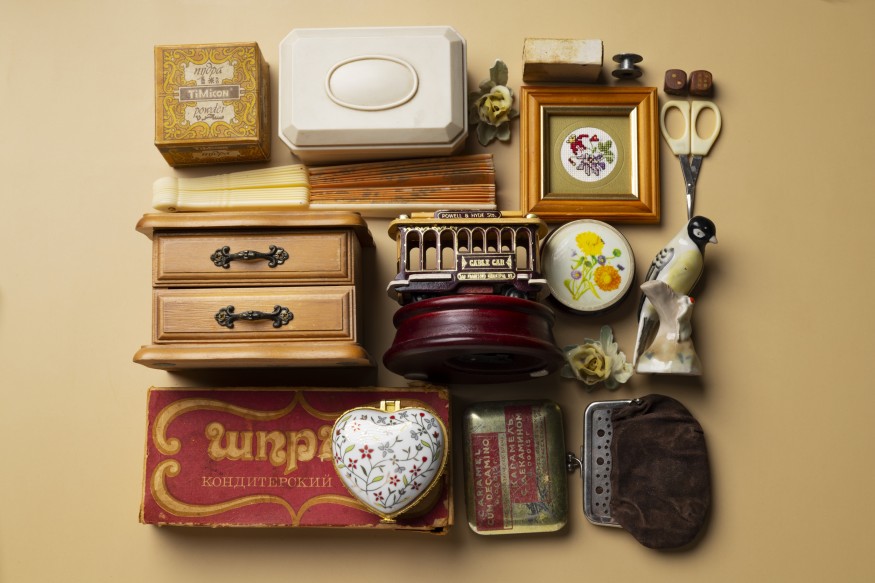
Antiques can bring history, craftsmanship, and individuality to a home, offering an alternative to interiors filled with mass-produced furniture and accessories. However, not every vintage discovery deserves a prominent place in a room. Some pieces can feel disconnected from their surroundings, particularly when their scale, ornamentation, or decorative message clashes with the rest of the interior.
The renewed interest in collected interiors has encouraged homeowners to mix old and new rather than follow a single decorating style. Yet successfully incorporating antiques requires more than purchasing objects with an interesting history. Their condition, proportions, and relationship with contemporary furnishings all influence how they look in a finished space.
Certain categories of antique decor can be particularly challenging to style. Instead of automatically discarding them, homeowners can reconsider how these pieces are displayed, repurposed, or combined with more contemporary elements.
1. Novelty Teacups and Overcrowded China Collections
Vintage teacups and porcelain collections can have considerable decorative appeal, especially when they feature intricate patterns, unusual shapes, or distinctive craftsmanship. Problems arise when too many unrelated pieces compete for attention without a clear arrangement.
A crowded display of mismatched cups, saucers, and decorative plates can make shelves feel cluttered rather than curated. This is particularly noticeable when the collection occupies a large portion of a room without contributing to its broader color palette.
A more deliberate approach can make these objects feel intentional. Grouping pieces from the same collection, arranging a small selection on open shelving, or displaying a particularly beautiful cup inside a glass cabinet gives each object room to stand out.
2. Ornate Victorian-Style Lamps
Victorian-inspired lamps can feature decorative bases, elaborate shades, stained glass, and intricate detailing. These qualities may suit period properties and richly layered interiors, but the same pieces can look awkward in rooms dominated by contemporary furniture and understated finishes.
Scale is often part of the problem. Older lamps may have proportions that feel too small for a modern side table or too visually elaborate for a minimalist room. Their finishes and shades can also introduce colors that do not connect with the surrounding decor.
Rather than rejecting every traditional lamp, homeowners can evaluate its silhouette, condition, and relationship with the room. A distinctive base paired with a simpler shade may create a more balanced appearance, provided the lamp can be adapted safely.
3. Midcentury Seating With Awkward Proportions
Midcentury modern furniture remains popular for its clean lines, practical construction, and recognizable silhouettes. Nevertheless, vintage seating can present challenges when its dimensions differ significantly from those of contemporary furniture.
Older chairs and sofas may have lower seats, narrower proportions, or less generous cushioning than modern households expect. When placed beside larger contemporary sofas or oversized tables, these differences can make a room feel unbalanced.
Before purchasing vintage seating, homeowners should measure the piece and compare its dimensions with the furniture already in the room. Seat height, depth, and overall scale matter just as much as appearance.
Reupholstery can help update a piece without removing its original character. A suitable fabric can connect the chair to the room's palette, while a thoughtful arrangement can make differences in scale feel deliberate.
4. Farmhouse Signs With Generic Messages
Decorative signs featuring words such as "Home," "Eat," or "Gather" became familiar elements of farmhouse-inspired interiors. While these pieces can work in genuinely rustic settings, mass-produced versions may make a room feel overly themed.
The issue is not the presence of lettering itself. Rather, generic signs can replace opportunities for more personal decoration. When several slogans appear together, they may compete with artwork, architectural details, and meaningful objects.
Homeowners can create a more individual interior by choosing artwork, framed prints, or objects that reflect their interests and experiences. A vintage shop sign with genuine provenance, for instance, can have a different effect from a mass-produced decorative replica.
5. Heavily Carved Furniture That Overwhelms a Room
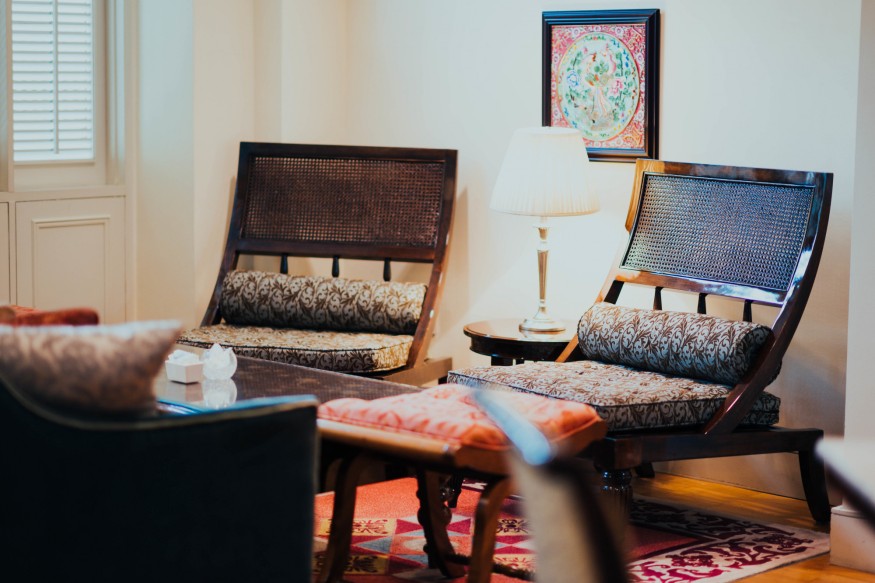
Elaborately carved antique cabinets, side tables, and chairs can showcase remarkable workmanship. However, their decorative details may become visually overwhelming when combined with ornate wallpaper, heavily patterned upholstery, and similarly elaborate accessories.
The result can feel more like a period display than a cohesive contemporary interior.
One solution is to let a carved piece become the room's primary antique feature. Pairing it with simpler upholstery, restrained artwork, and clean-lined lighting allows its craftsmanship to remain visible without competing with other details.
Placement also matters. A carved cabinet may work better against a relatively quiet wall than in a crowded corner filled with decorative objects.
6. Decorative Plates With Inspirational Quotes
Decorative plates featuring inspirational messages can feel dated when their wording and presentation no longer suit the surrounding interior. Their visual impact can be particularly strong when several plates with different fonts, colors, and messages are arranged together.
Ceramic plates themselves are not the problem. Hand-painted designs, interesting glazes, and historically significant pieces can make compelling decorative objects.
A more considered display might feature one distinctive plate above a console, a coordinated collection arranged with consistent spacing, or a sculptural ceramic object displayed alongside framed artwork.
How to Make Antiques Feel Timeless in a Contemporary Home
The most effective way to update an antique is to consider the role it plays within the room. A piece can introduce contrast, provide storage, establish a focal point, or connect a space with a home's history.
Combining periods often produces more interesting results than attempting to reproduce a single historical style. An antique cabinet beside a contemporary sofa, for example, can create contrast while allowing both pieces to stand out.
Color and proportion help establish cohesion. Repeating a tone from an antique elsewhere in the room can make the arrangement feel deliberate, while leaving adequate space around elaborate objects prevents visual clutter.
Ultimately, age alone does not make an object outdated. The more important considerations are its condition, usefulness, craftsmanship, and relationship with the surrounding design. With thoughtful placement and selective editing, even an unfashionable antique can become one of the most distinctive features in a home.
Frequently Asked Questions
1. Do antiques make a home look dated?
Not necessarily. Antiques can introduce craftsmanship, history, and character. They are more likely to look out of place when their scale, ornamentation, or decorative style conflicts with the rest of the room.
2. How can homeowners mix antiques with modern furniture?
Pair distinctive vintage pieces with simpler contemporary furnishings, coordinate colors, and allow ornate objects enough space. Combining different periods can create a layered interior without making the room feel like a museum.
3. Should old furniture be repainted to look more modern?
Not always. Repainting can alter an antique's original finish and potentially affect its value. Evaluate the piece's condition and significance before making permanent changes, and seek professional advice when appropriate.


Stefano Boeri Architetti Wins Competition for Loco Park, a Green Neighborhood in Tbilisi

Three Architecture Firms Win Competition for Cultural Hub in UNESCO-Listed Valle Camonica

IKEA's New Art Collection Turns Everyday Home Decor Into Affordable Designer Art

Sherwin-Williams's 2027 Color Forecast Unveils 48 Rich Colors to Refresh Your Home in 2027

Modern Kids' Rooms Are Changing: The Kids' Bedroom Ideas Designers Want Now


