Acoustic Wall Panels Are Getting a Stylish Upgrade: Here’s How to Incorporate Them at Home

Acoustic wall panels offer a practical way to improve indoor sound quality without sacrificing visual appeal. Once primarily associated with recording studios and commercial spaces, these functional wall treatments have become increasingly popular in residential interiors. Available in finishes ranging from natural wood to upholstered fabric and decorative felt, they can complement different decorating styles while helping reduce unwanted echoes.
In homes with open layouts, hard flooring, and large windows, sound can easily bounce between surfaces, making conversations and everyday activities less comfortable. Acoustic panels help absorb these reflections, creating a more balanced environment. With thoughtful material selection, placement, and color coordination, they can also become an attractive architectural feature.
Choose Materials That Complement the Interior
The material of an acoustic panel plays an important role in determining how it looks within a room. Fortunately, modern options offer plenty of opportunities to coordinate sound treatment with existing finishes.
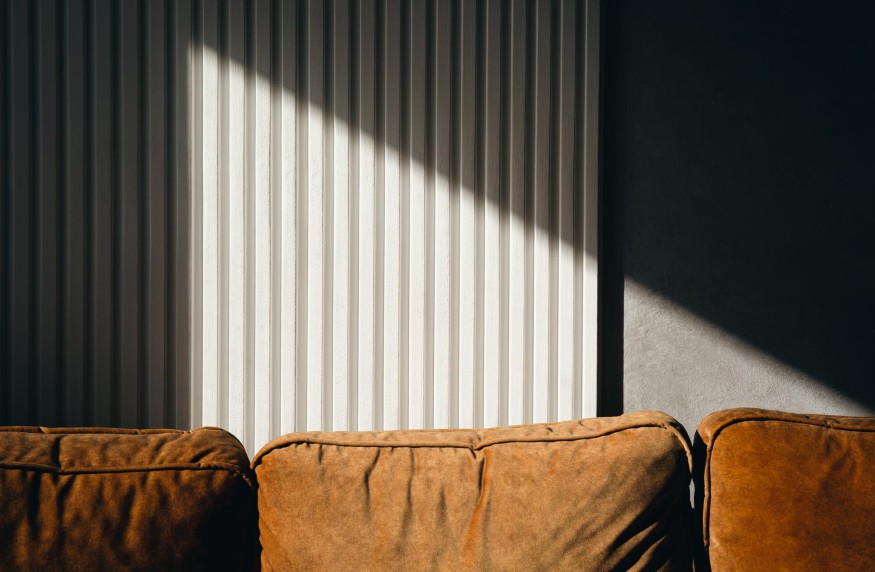
Wood slat panels are particularly suitable for contemporary, Scandinavian, and Japandi-inspired interiors. Their linear patterns introduce architectural texture, while finishes such as oak and walnut add natural warmth. Vertical arrangements can emphasize ceiling height, while horizontal installations can make a wall appear wider. However, homeowners should check that the panels include an appropriate acoustic backing for effective sound absorption.
Fabric-wrapped panels provide a softer appearance, making them suitable for bedrooms, living rooms, and home offices. Available in neutral shades such as beige, taupe, and gray, they can blend seamlessly with existing upholstery and curtains. Deeper colors, including navy and forest green, can also create a more dramatic decorative feature.
Felt acoustic panels offer another versatile option. Often made from polyester fibers, including recycled PET, they are available in geometric shapes, different thicknesses, and a wide range of colors. Their flexibility makes them particularly useful in creative workspaces, children's rooms, and contemporary interiors.
Treat Acoustic Panels as Decorative Features
Rather than installing panels randomly, homeowners can incorporate them into the overall wall composition.
A carefully arranged group of acoustic panels can create a focal point behind a sofa, television, or bed. Symmetrical arrangements offer a polished appearance, while geometric configurations introduce a more contemporary feel.
In open-plan homes, wood slat panels can also help visually distinguish different functional areas. For example, a slatted feature wall behind a dining table can establish a subtle boundary between the dining and living spaces without requiring a physical partition.
For a more integrated look, panels can be aligned with existing architectural details such as built-in shelving, windows, and wall moldings. This approach makes the installation feel like an intentional part of the interior rather than an added technical feature.
Coordinate Colors With Existing Finishes
Color selection can determine whether acoustic panels blend into a room or become its main decorative element.
For minimalist interiors, matching the panels to the wall color creates a cohesive appearance. Tone-on-tone combinations are particularly effective because they introduce texture without overwhelming the space.
Alternatively, homeowners can coordinate panel finishes with existing furniture and decorative elements. Warm wood panels can complement timber flooring, cabinetry, and furniture, while fabric-wrapped options can echo the colors of upholstered seating and window treatments.
Darker panels can create contrast against lighter walls, adding depth and visual interest. Before committing to a finish, it is worth examining physical samples under different lighting conditions, as natural and artificial light can significantly affect how colors and textures appear.
Position Panels Where They Can Improve Sound Quality
Even attractive acoustic panels may provide limited benefits if they are installed without considering how sound travels through a room.
In living rooms, panels can be positioned on walls surrounding seating areas, particularly where sound from televisions, speakers, and conversations tends to reflect.
Home offices can benefit from acoustic treatments on walls near workstations, helping reduce reflections that interfere with speech clarity during video calls.
Bedrooms may require less coverage, although strategically placed panels can help manage reverberation in rooms with hard flooring and minimal soft furnishings.
Acoustic panels can also work alongside rugs, curtains, upholstered furniture, and other soft materials. Combining these elements helps create a more balanced acoustic environment without relying entirely on wall treatments.
The amount of coverage needed depends on the room's dimensions, materials, and intended use. An acoustic specialist can recommend appropriate placement when more precise sound control is required.
Balance Panels With Other Decorative Elements
Acoustic panels should complement the rest of the interior rather than compete with it.
In living rooms, wood slat panels can be paired with neutral upholstery, textured rugs, and warm lighting for a cohesive contemporary look. Fabric-wrapped panels work well alongside upholstered furniture and layered curtains, creating a softer atmosphere.
In home offices, felt panels can introduce subtle color while coordinating with shelving, task lighting, and functional furniture.
It is also important to avoid overcrowding walls with too many competing decorative elements. If the panels already feature prominent geometric patterns or strong textures, simpler artwork and accessories can help maintain visual balance.
Consider Installation and Maintenance
Before purchasing acoustic panels, homeowners should check the manufacturer's installation requirements. Lightweight felt products may be suitable for adhesive mounting, while heavier wood and fabric-covered panels may require mechanical fixings.
Fire performance is another consideration, particularly in commercial environments or homes where specific building regulations apply. Product specifications should be reviewed before installation.
Maintenance requirements also vary by material. Fabric panels may need gentle vacuuming or manufacturer-approved cleaning, while wood slat panels generally require regular dusting.
It is also important to avoid painting or coating acoustic surfaces unless the manufacturer confirms that doing so will not affect their sound-absorbing properties.
For additional technical information, the Screenwood Reverberation Control Guide provides guidance on acoustic materials and their applications.
Stylish Acoustic Panels Can Improve Everyday Living
Acoustic wall panels demonstrate that functional interior features can also contribute to a room's overall aesthetic. From warm wood slats to decorative felt and upholstered finishes, contemporary options make it easier to incorporate sound absorption into different decorating styles.
By considering material, color, placement, and acoustic performance, homeowners can create spaces that look thoughtfully designed while offering a more comfortable everyday environment.
Frequently Asked Questions
1. Do acoustic wall panels make a room completely soundproof?
No. Acoustic panels absorb sound reflections within a room, reducing echo and reverberation. Soundproofing requires additional construction measures to prevent noise from traveling between spaces.
2. Which acoustic wall panels look best in modern interiors?
Wood slat, fabric-wrapped, and decorative felt panels are popular choices. The best option depends on the room's existing finishes, desired aesthetic, and acoustic requirements.
3. Can acoustic wall panels be used in living rooms?
Yes. They can help reduce sound reflections in living rooms, particularly those with open layouts, hard flooring, and large windows. They can also serve as decorative features behind televisions or seating areas.
4. How many acoustic wall panels are needed in a room?
The required number depends on room dimensions, ceiling height, existing finishes, and acoustic conditions. An acoustic assessment can help determine the appropriate coverage.


Florals, Gingham, and Chintz Are Among the Biggest Pattern Trends for 2027

Oheka Castle, Featured in Taylor Swift's 'Blank Space' Video, Sells for $72 Million

These 6 Christmas Decorating Themes Will Make Homes Feel Extra Special in 2026

El Niño Gardening Guide: Ways to Protect Your Lawn and Plants From Heat and Drought

Céline Dion's Custom-Built Florida Mansion Sells in $12.5 Million Deal


