How Trees Can Affect Your Property Value, According to Real Estate Experts
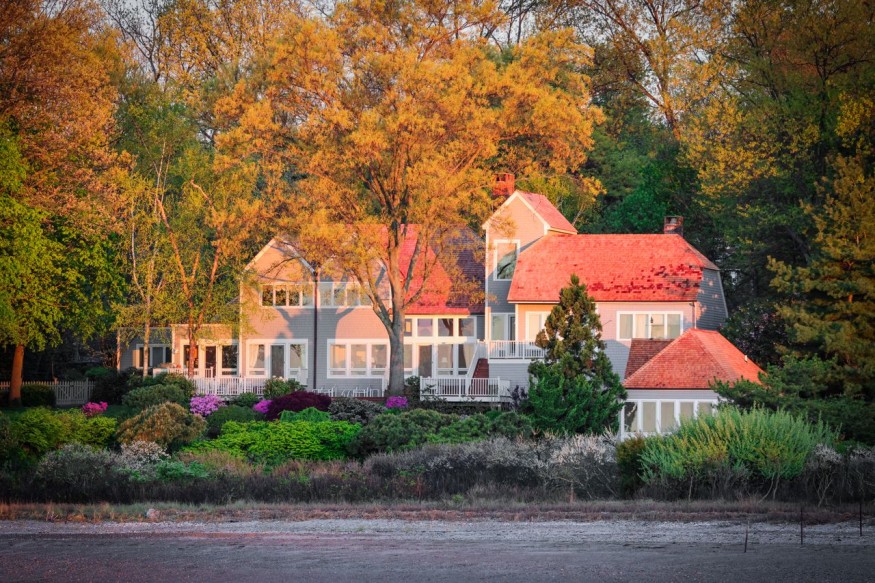
A well-maintained mature tree can contribute significantly to the appearance of a property. Established landscaping can make a home look more settled and attractive, particularly when trees frame the front yard or complement the architecture.
Curb appeal matters because the exterior is the first part of a property potential buyers encounter. Trees can provide structure and visual depth that newly planted landscaping may take years to develop.
However, not every tree automatically adds value. Species, condition, placement and maintenance all matter. A healthy shade tree positioned safely away from the foundation and utility lines can be an asset, while a declining or poorly located tree can become a liability.
The broader landscaping plan is also important. Trees generally have greater visual impact when they work with shrubs, pathways, lawns and other exterior elements rather than appearing randomly placed.
Shade and Energy Efficiency Can Be Important Benefits
Trees can provide shade around a home, potentially affecting outdoor comfort and solar exposure. Strategically positioned trees can shade windows, patios and portions of a roof during hotter periods.
The U.S. Department of Energy has long identified landscaping, including properly placed trees, as one element that can contribute to passive cooling and energy efficiency. However, the actual benefit varies based on climate, tree species, orientation and the home's construction.
Deciduous trees can provide summer shade while allowing more sunlight through during colder months. Evergreen trees can provide year-round screening and wind protection.
For homeowners considering planting trees specifically for energy savings, placement is more important than simply increasing the number of trees on a property.
Privacy Trees Can Change How a Yard Feels
Trees can also provide visual screening between neighboring properties. This can be especially valuable in urban and suburban neighborhoods where houses are positioned relatively close together.
A row of appropriately selected trees can create privacy without requiring a tall solid fence. Evergreen varieties can provide screening throughout the year, while deciduous species can create seasonal coverage.
Privacy landscaping should nevertheless account for mature dimensions. A tree that appears appropriately sized at planting can eventually interfere with sidewalks, structures, fences or overhead utilities if it is planted in the wrong location.
Homeowners should research mature height and canopy spread before planting. Local restrictions may also apply to certain species or locations.
Poorly Placed Trees Can Create Costs
Trees can become problematic when their roots, branches or overall growth interfere with structures and infrastructure.
Potential issues include branches contacting roofs or power lines, roots affecting hardscaping and falling limbs creating property damage. Diseased or declining trees can also require professional assessment and removal.
This is particularly relevant when buying a property with mature landscaping. A prospective buyer may want to understand the condition of large trees rather than viewing their presence as an automatic advantage.
Professional arborist inspections can be useful for significant trees, especially when there are visible signs of disease, decay or structural problems.
5 Ways Trees Can Influence a Property
- Curb appeal: Mature landscaping can improve the visual presentation of a home.
- Shade: Trees can create more comfortable outdoor spaces.
- Privacy: Strategic planting can screen neighboring properties.
- Environmental benefits: Trees can provide habitat and contribute to urban greenery.
- Maintenance: Large or unhealthy trees can require substantial care and expense.
Tree Selection Matters as Much as Tree Size
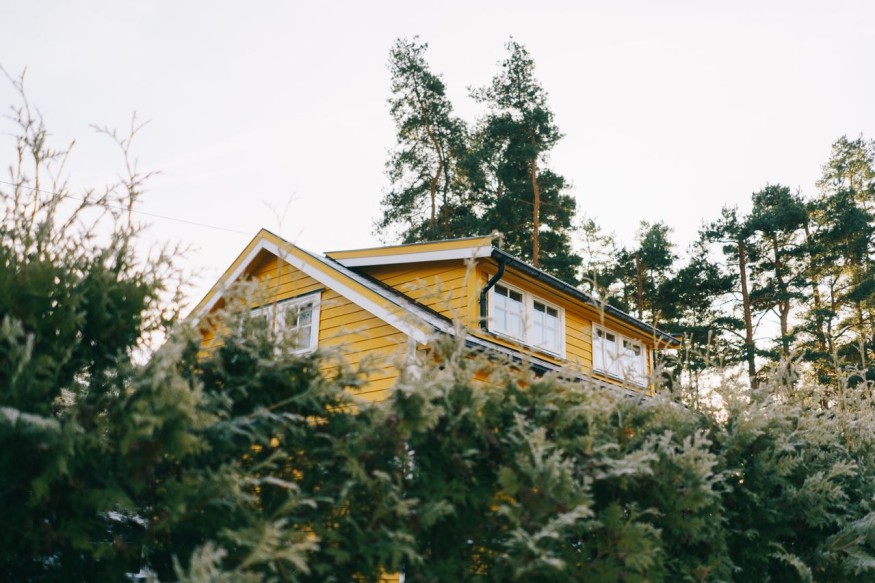
A common misconception is that bigger trees are always better for property value. In reality, the species and condition of a tree can be more relevant than its size alone.
A healthy, appropriately located tree can be an attractive landscape feature. A large tree with extensive decay or branches threatening a structure may create additional expenses.
Homeowners planning landscaping should therefore prioritize species suited to their local climate and soil conditions. Native or well-adapted trees may also be easier to maintain in the right circumstances.
Before planting, homeowners should consider mature size, root characteristics, proximity to structures and utility lines, water requirements and maintenance needs.
Smart Tree Planning Can Support Long-Term Property Appeal
Trees can influence how a property looks, functions and feels, but their contribution depends heavily on thoughtful placement and ongoing maintenance. A mature canopy can provide shade, privacy and visual character, while an unhealthy or poorly positioned tree can introduce risks and costs.
For homeowners preparing a property for sale, maintaining existing trees and landscaping can be part of broader exterior upkeep. For homeowners planting for the future, choosing an appropriate species and location may be more important than simply planting the largest tree available.
Frequently Asked Questions
1. Do trees increase property value?
Trees can contribute to a property's appeal and may influence perceived and market value, but the effect varies according to species, condition, location, neighborhood and buyer preferences.
2. What types of trees are good for residential properties?
Trees that are well adapted to the local climate and have mature dimensions appropriate for the available space can be good choices.
3. Can trees decrease property value?
They can create concerns when they are diseased, structurally compromised, poorly positioned or likely to cause damage or substantial maintenance costs.
4. Should trees be removed before selling a house?
Not necessarily. Healthy, appropriately positioned trees can be valuable landscape features. Removal decisions should consider tree health, safety, location and professional arborist advice.


Glidden's New 2027 Color of the Year Makes a Strong Case for Smoky Blue

Venus Williams' New Crate & Barrel Collection Blends Tennis and Italian Design

Where Should You Put Your Bed? The Feng Shui Rule That Matters Most

The Small Design Decisions You Keep Ignoring Could Be Hurting Your Decor

No Yard? These Small-Space Succulent Garden Ideas Make the Most of Every Inch


