How to Make Your Home Feel Warmer With Natural Materials and Soft Textures
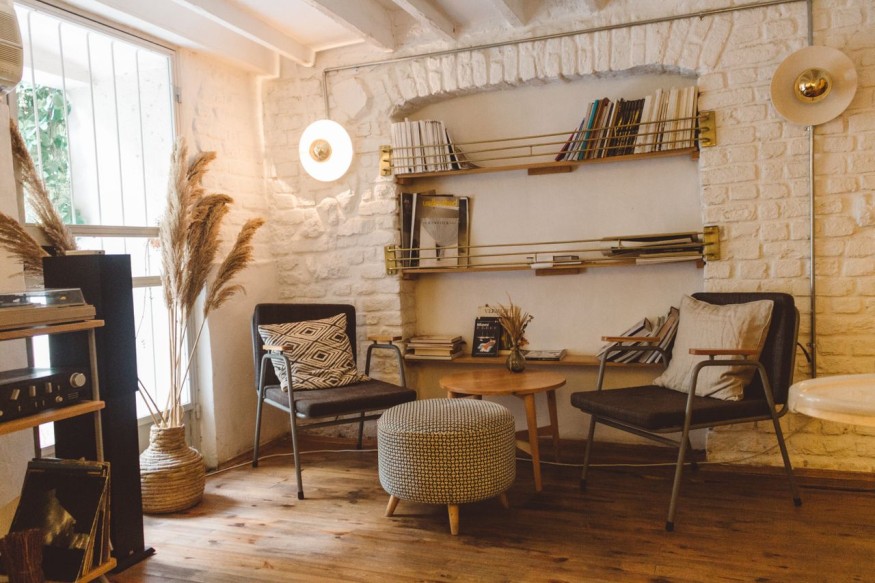
As interior design moves toward spaces that feel more personal and lived-in, natural materials are becoming an increasingly useful way to make a home feel warm without making it look overly decorated. Wood, linen, wool, stone, rattan, cotton, and handmade ceramics can introduce texture and visual depth while maintaining a relaxed atmosphere.
Natural warmth does not require a complete renovation or a rustic decorating scheme. In fact, some of the most effective changes can come from small adjustments, such as replacing synthetic-looking textiles, adding a wood accent, layering lighting, or introducing an earthy color.
The key is to create variation. A room filled entirely with matching wood furniture can feel heavy, while a room with only pale neutrals can lack depth. Combining different textures, finishes, and natural materials creates a more layered result.
Start With Wood and Other Organic Materials
Wood is one of the simplest ways to introduce natural warmth into a room. Its grain, color variation, and tactile quality can soften spaces dominated by painted surfaces, glass, or metal.
A wooden coffee table can warm up a living room, while a timber stool or console can add character to an entryway. In bedrooms, wood bed frames and nightstands can create a calmer foundation without requiring dramatic color.
Different wood tones can also be mixed. There is no requirement for every wooden element in a room to match exactly. Pairing light oak with walnut, for example, can create contrast while maintaining a cohesive natural palette.
Stone can provide a similar effect. A limestone accessory, marble side table, travertine lamp, or stone bowl can add visual weight and organic variation. The goal is not to fill every surface with natural materials, but to introduce enough of them to keep the room from feeling flat.
For homeowners interested in a more organic design language, Architectural Digest's recent design coverage similarly highlights natural materials such as wood, wool, linen, and cotton as foundational elements in warm, calming interiors.
Layer Linen, Wool, Cotton, and Woven Textures
Textiles are another easy way to make a home feel warmer, particularly when the architecture and furniture are relatively simple.
Linen curtains can soften windows while allowing natural light to remain an important part of the room. Linen bedding can give a bedroom a relaxed appearance, while wool rugs and throws introduce a heavier texture that works particularly well as temperatures change.
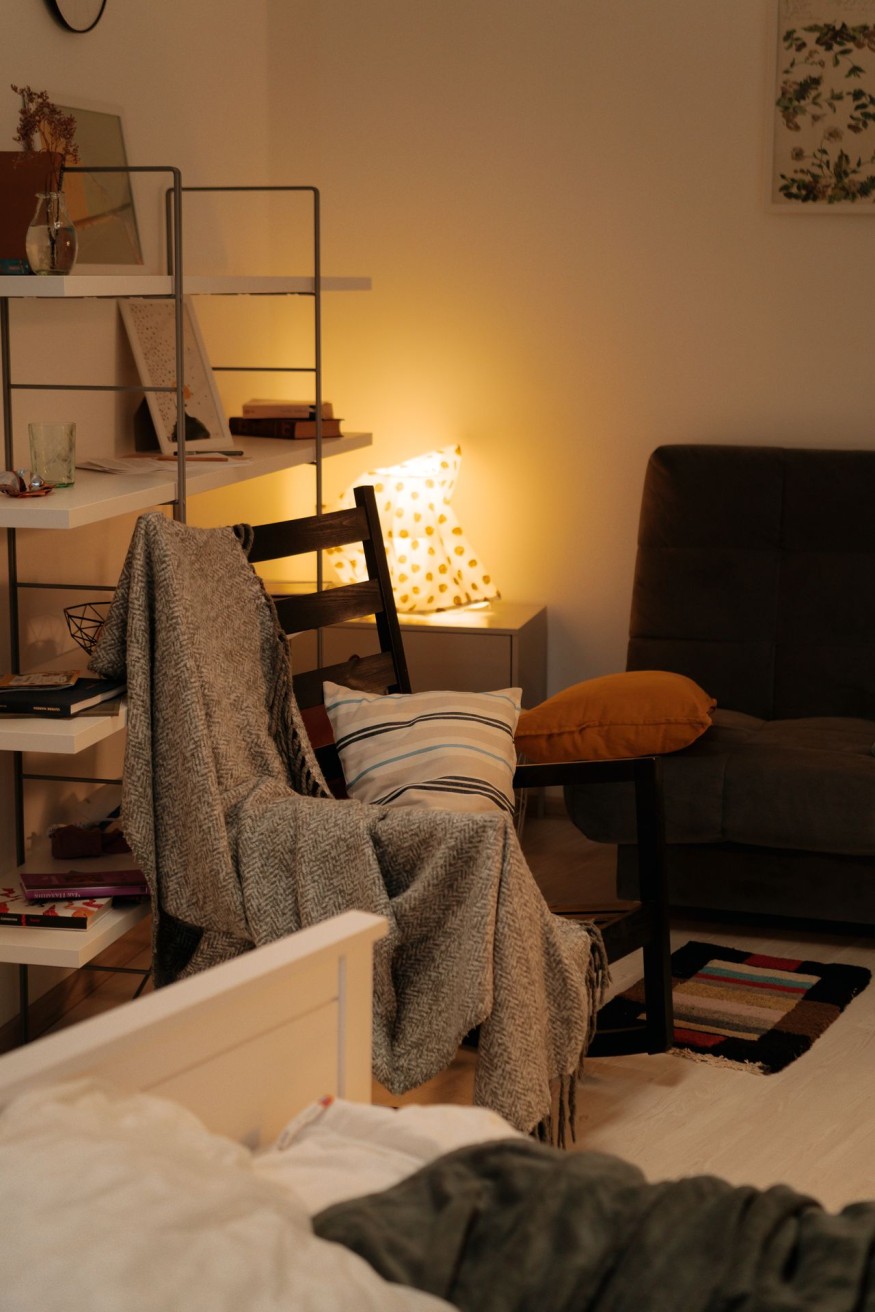
The advantage of layering textiles is that the room gains warmth without necessarily gaining visual clutter. A neutral sofa can be paired with a textured throw, a woven cushion, and a natural-fiber rug without requiring a large collection of decorative objects.
Linen is especially versatile because its relaxed appearance works across several interior styles. Architectural Digest has highlighted the material's ability to add softness and movement to interiors while remaining adaptable to different decorating approaches.
Woven materials can add another layer. Rattan baskets, cane furniture, woven shades, and seagrass accessories can bring subtle texture to a room without dominating it.
Use Warm Colors and Softer Lighting
Natural warmth is not only about materials. Color and lighting can significantly influence how those materials are perceived.
Instead of relying exclusively on cool white, homeowners can introduce warm whites, beige, taupe, camel, muted green, terracotta, clay, and soft brown. These colors tend to work well alongside wood and natural textiles because they reinforce the earthy quality of the materials.
The most effective palette does not need to be monochromatic. A warm neutral wall can provide the backdrop for olive-green cushions, a walnut table, and a terracotta accessory. Small amounts of color can keep the room from becoming visually predictable.
Lighting becomes particularly important in the evening. A room that looks warm during daylight can suddenly feel stark when illuminated by a single bright overhead fixture.
Instead, homeowners can layer table lamps, floor lamps, sconces, and accent lighting. Dimmable fixtures can provide additional flexibility, allowing the atmosphere to change throughout the day.
Warm lighting also enhances wood grain and textured fabrics, making them appear richer after sunset.
Make the Space Feel Collected Rather Than Coordinated
The final step is avoiding the temptation to purchase an entire room of matching natural-material furniture. Warm interiors generally benefit from variation.
A vintage wooden stool can sit beside a contemporary sofa. A handmade ceramic vase can share a shelf with a modern lamp. A woven basket can sit beneath a streamlined console.
These contrasts prevent natural warmth from becoming a rigid decorating theme.
Homeowners can also introduce objects with visible signs of craftsmanship. Handmade pottery, imperfect ceramics, vintage furniture, carved wood, and woven pieces can give a room a more individual appearance.
This approach aligns with the broader movement toward interiors that feel personalized rather than excessively polished. Architectural Digest's 2026 design forecast has emphasized greater interest in layered, expressive interiors and materials with character.
The important distinction is that warmth does not necessarily mean adding more. A room can feel substantially warmer with a single wool rug, better lighting, and one substantial wooden piece.
For homeowners working with an existing interior, the easiest place to start is with texture. Swap a synthetic throw for wool, add linen curtains, introduce a woven basket, or replace a glossy accessory with a handmade ceramic piece.
Natural warmth works best when it feels integrated rather than imposed. The result should be a home that feels comfortable, tactile, and personal while still retaining the architecture and design choices that make the space distinctive.
Frequently Asked Questions
1. What materials make a home feel warmer?
Wood, linen, wool, cotton, rattan, stone, and handmade ceramics can introduce texture and warmth without requiring major changes to a room.
2. What colors make a home feel cozy?
Warm whites, beige, camel, taupe, muted greens, terracotta, clay, and soft brown can create a warmer atmosphere.
3. Can natural materials work in a modern home?
Yes. Natural materials can balance streamlined furniture, contemporary architecture, and modern lighting without making a space look rustic.
4. How can a home feel warmer without renovating?
Layer textiles, add warm lighting, introduce wood or stone accents, and incorporate earthy colors. These changes can alter the atmosphere without structural work.


Glidden's New 2027 Color of the Year Makes a Strong Case for Smoky Blue

Where Should You Put Your Bed? The Feng Shui Rule That Matters Most

The Small Design Decisions You Keep Ignoring Could Be Hurting Your Decor

No Yard? These Small-Space Succulent Garden Ideas Make the Most of Every Inch

Little Greene Just Refreshed Its Color Card With 26 New Paint Shades


