The Best Class A Fire Resistant Roofing Materials for Stronger Fire Safety Construction at Home
A roof is the first line of defense against harsh weather, but it also plays a major role in protecting a home from fire. Whether a property is located near wooded areas, in regions with dry climates, or simply built with long term durability in mind, choosing the right roofing material can make a meaningful difference. Modern fire resistant roofing products are designed to slow the spread of flames and resist airborne embers, making them a valuable part of fire safety construction.
Class A roofing materials offer the highest level of fire resistance available for residential roofs. They are available in several styles, including asphalt shingles, clay tiles, concrete tiles, metal panels, and natural slate. While appearance and budget remain important considerations, homeowners should also evaluate fire performance, maintenance needs, and lifespan before making a decision.
What Does a Class A Fire Rating Mean?
Roofing materials are tested under standardized fire exposure conditions to determine how well they resist flame penetration and the spread of fire. A Class A rating indicates that a roofing system provides the highest level of protection available under these testing standards.
It is important to understand that a Class A rating applies to the entire roofing assembly rather than just the visible roofing material. Components such as the underlayment and roof deck can contribute to overall fire performance.
Choosing Class A materials does not make a home fireproof, but it provides valuable protection that can help slow the spread of fire and improve a home's resilience during emergencies.
Why Fire Resistant Roofing Matters
Wildfires, accidental fires, and wind carried embers have made roof selection more important than ever. Embers can travel significant distances before landing on rooftops, gutters, or nearby debris. A roof that is designed to resist ignition provides valuable time for emergency response while reducing the chance that flames will spread quickly.
Fire resistant roofing also supports broader fire safety construction strategies by complementing other protective features, including noncombustible siding, ember resistant vents, and defensible landscaping.
Beyond safety, these roofing systems often deliver excellent durability, making them a practical investment for homeowners who want lasting protection and lower maintenance over time.
Types of Class A Fire Resistant Roofing Materials
Several roofing materials can achieve a Class A fire rating when installed as part of an approved roofing system.
Fire Resistant Asphalt Shingles
Fiberglass asphalt shingles remain one of the most common residential roofing options because they balance affordability with dependable performance. Many premium fiberglass shingles are manufactured to meet Class A standards while offering a wide variety of colors and textures that complement different architectural styles.
Metal Roofing
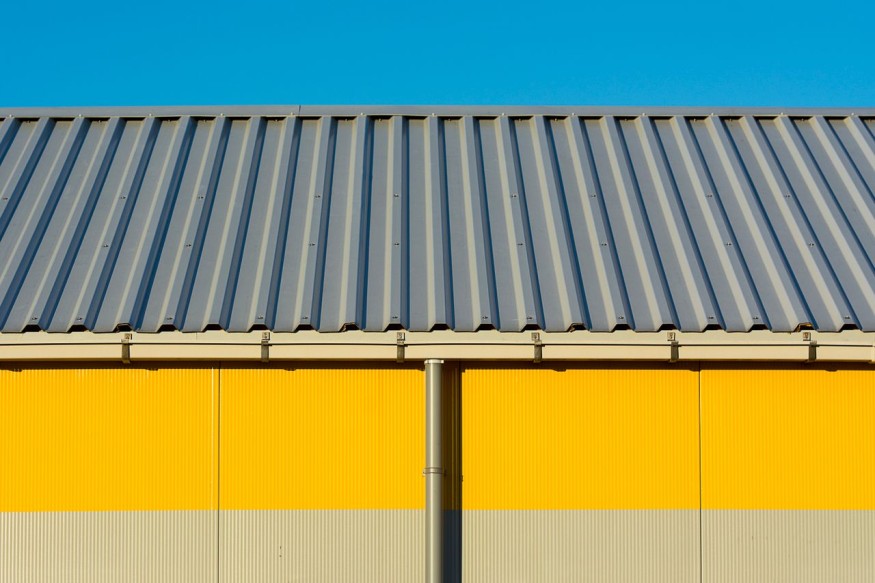
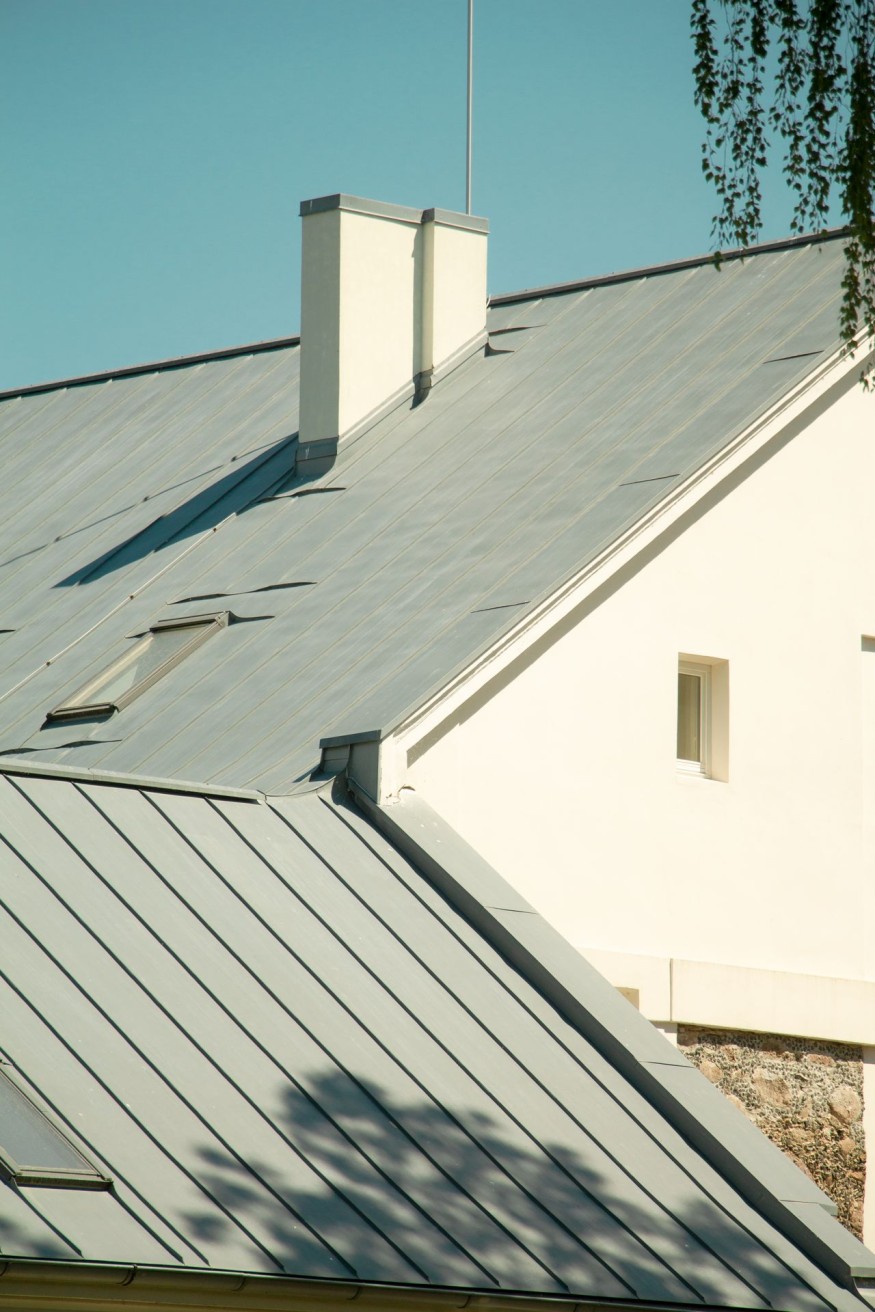
Metal roofs have become increasingly popular because they naturally resist ignition and perform exceptionally well during fire events. Steel, aluminum, zinc, and copper roofing panels are all available in attractive designs that suit both contemporary and traditional homes.
Metal roofing is also valued for its long service life, weather resistance, and energy efficiency. When properly installed, it offers excellent protection against flying embers and radiant heat.
Clay Roof Tiles
Clay tiles have protected homes for centuries and remain one of the most durable roofing materials available. Because clay does not burn, these roofs provide outstanding fire resistance while adding timeless character to Mediterranean, Spanish, and Southwestern style homes.
The primary consideration is structural support, as clay tiles are heavier than many other roofing materials.
Concrete Roof Tiles
Concrete tiles offer many of the same fire resistant qualities as clay while providing a broader range of styles and finishes. They can resemble wood shakes, slate, or traditional tile roofs while maintaining excellent durability.
Concrete roofs also perform well against severe weather, making them a versatile option for many climates.
Natural Slate Roofing
Slate is a natural stone roofing material known for its beauty and exceptional longevity. Since stone is naturally noncombustible, slate roofs provide excellent fire resistance while delivering a premium appearance.
Although installation costs are generally higher, many homeowners appreciate the combination of durability, low maintenance, and timeless appeal.
Comparing Fire Resistant Roofing Options
Every roofing material offers unique advantages depending on a home's design, budget, and location. Asphalt shingles provide an accessible starting point for many homeowners, while metal roofing delivers impressive longevity and minimal maintenance. Clay and concrete tiles combine fire resistance with architectural charm, while slate remains a premium solution for those seeking exceptional durability.
Rather than focusing solely on installation costs, homeowners should evaluate expected lifespan, maintenance requirements, local climate, and the expertise of available roofing contractors before making a decision.
Building a Roofing System That Supports Fire Safety Construction
A fire resistant roof depends on more than the outer roofing material. Every component of the roofing assembly contributes to its overall performance.
- Fire rated roof decking and underlayment
- Properly sealed flashing around roof penetrations
- Ember resistant attic vents
- Professional installation that follows manufacturer guidelines
- Routine inspections and maintenance to address damage promptly
These elements work together to create a roofing system capable of delivering the intended level of fire protection.
Choosing the Right Fire Resistant Roofing for Your Home
The ideal roofing material varies from one home to another. Climate, local building regulations, architectural style, and long term maintenance expectations all influence the final choice.
Homes located in wildfire prone areas often benefit from highly durable materials such as metal, concrete, clay, or slate. In suburban neighborhoods where affordability is a priority, premium fiberglass asphalt shingles may provide an excellent balance between fire protection and cost.
Working with experienced roofing professionals also ensures the selected materials are installed correctly. Even the highest quality products cannot perform as intended if installation standards are overlooked.
Fire Resistant Roofing Is a Smart Investment for Safer Homes
Selecting fire resistant roofing is about more than meeting building requirements. It is an investment in a home's long term safety, resilience, and value. Class A roofing materials provide dependable protection against fire while offering attractive designs that complement virtually every architectural style.
As homeowners continue to prioritize fire safety construction, roofing systems that combine durability, performance, and visual appeal are becoming an increasingly important part of modern home design. Choosing the right materials today can help create a safer and more resilient home for years to come.
Frequently Asked Questions
1. What is the most fire resistant roofing material?
Natural slate, clay tiles, concrete tiles, and metal roofing are among the most fire resistant roofing materials. When installed as part of a Class A roofing system, they provide excellent protection against flame exposure and airborne embers.
2. Can asphalt shingles be fire resistant?
Yes. Many fiberglass asphalt shingles are manufactured to achieve a Class A fire rating when installed with approved roofing components, making them a popular option for residential homes.
3. Does a Class A roof make a home completely fireproof?
No. A Class A roof significantly improves fire resistance, but no roofing system can make a home completely immune to fire. Overall home design, landscaping, and regular maintenance also play important roles.
4. Why is professional installation important for fire resistant roofing?
Proper installation ensures that all roofing components work together as a tested assembly. Incorrect installation can reduce fire performance and shorten the lifespan of even the highest quality roofing materials.


Venus Williams' New Crate & Barrel Collection Blends Tennis and Italian Design

8 Smart Ways to Organize a Small Pantry Without Wasting Space

7 Fall Flowers That Will Keep Your Garden Colorful Through Autumn

When Is the Best Time to Renovate Your Home? A Seasonal Guide

Little Greene Just Refreshed Its Color Card With 26 New Paint Shades


