5 Home Decor Items Interior Designers Skip, and What They Choose Instead
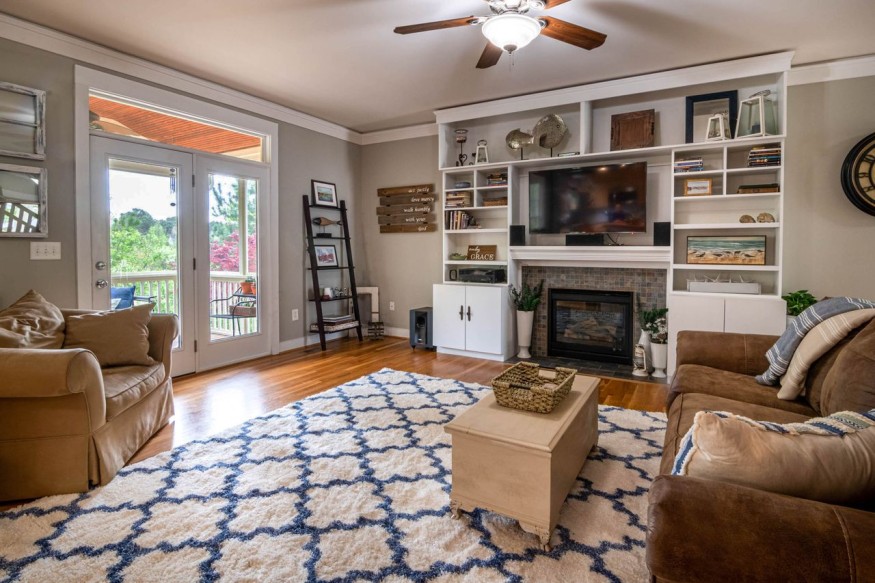
Interior designers spend their careers evaluating furniture, finishes and decor, so they tend to develop a very specific understanding of what is worth bringing into a home. While there are no universal rules for decorating, professionals often know which purchases can make a room feel generic, dated or unnecessarily difficult to maintain.
Recent advice from interior designers points toward a common philosophy: choose pieces for their quality, usefulness and ability to work with a home over time rather than buying something simply because it is currently popular.
That does not mean every homeowner needs to avoid the same items. Personal taste still matters, and a design choice that one person dislikes can be exactly what another person wants. However, these five categories are frequently approached with caution by professionals.
1. Matching Furniture Sets
A perfectly coordinated furniture set may seem like an easy way to create a cohesive room, but designers often prefer mixing complementary pieces.
A sofa, coffee table, side tables and chairs purchased as one matching collection can make a space feel more like a showroom than a home. Mixing materials, silhouettes and finishes introduces visual variation while still allowing the room to feel intentional.
Interior designer Lonni Paul told Martha Stewart that she prefers spaces that reflect layers of personality rather than looking like a showroom. Her approach is to create cohesion without making every piece identical.
Instead of buying a complete bedroom or living room set, homeowners can select individual pieces that share something in common, such as scale, material, color or proportion. A wood dining table can work with upholstered chairs, for example, while different nightstands can create a more collected look.
2. Faux Finishes That Imitate Natural Materials
Faux marble, faux wood and similar finishes can provide the appearance of more expensive materials at a lower cost, but designers often question whether they deliver the same longevity or character.
Natural materials tend to change over time. Wood develops patina, stone can show signs of use and leather becomes softer with age. Those changes can add character rather than making the material look less appealing.
If the budget allows, designers interviewed by Martha Stewart suggest prioritizing authentic materials for pieces that are expected to last. Linen, wool, leather, handcrafted ceramics and natural wood can all bring texture and depth without relying on imitation effects.
There are situations where engineered or synthetic materials make practical sense, particularly when durability, maintenance or cost is a major consideration. The issue is less about banning faux materials and more about avoiding an imitation that looks noticeably artificial.
3. Highly Themed Decor
A room built entirely around a single theme can become difficult to update when tastes change.
Coastal, farmhouse, maximalist, vintage-inspired and other decorating styles can all work beautifully when used thoughtfully. The problem comes when every element in the room repeats the same theme.
Designers generally favor interiors that evolve over time. A homeowner may love a coastal aesthetic, for example, without needing an anchor-shaped wall decoration, seashell accessories, nautical artwork and blue-and-white patterns in every corner.
A more flexible approach is to establish a broader design direction and introduce the theme through a few carefully chosen details. That allows the room to retain personality without becoming dependent on a specific trend.
4. Oversized Trend-Driven Furniture
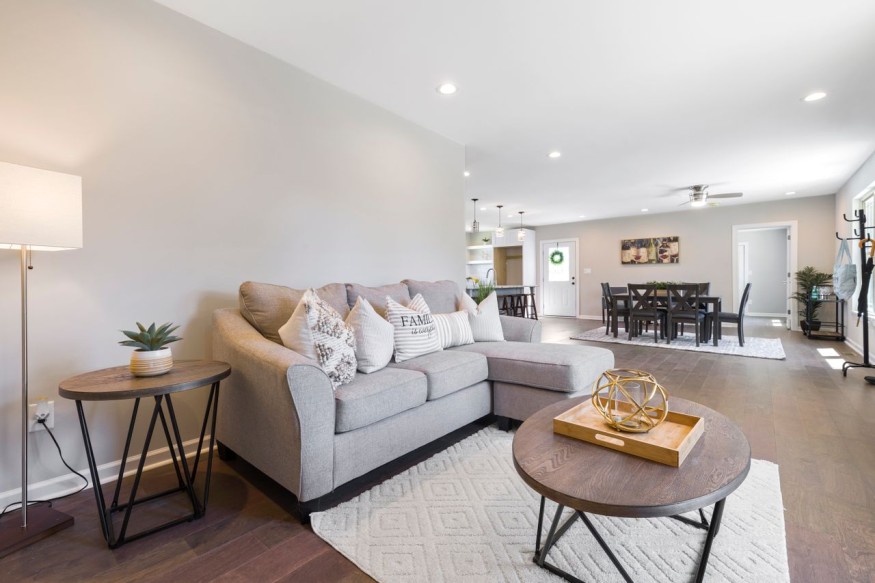
Large statement furniture can completely transform a room, but its size makes it a particularly risky purchase.
An oversized sofa, dramatic accent chair or unusually shaped coffee table may look impressive in a showroom or online photograph but feel overwhelming once it enters a smaller living space. Unlike smaller decorative objects, large furniture is also expensive and inconvenient to replace.
Before buying a substantial piece, designers recommend considering the room's dimensions, traffic patterns, doorways and existing furniture. Measurements should extend beyond the space where the item will sit. A sofa that technically fits against a wall may still be difficult to get through a doorway or around a staircase.
Choosing a versatile silhouette can also make the investment more useful as the room evolves.
5. Generic Mass-Produced Decor
Decorative accessories are an easy way to finish a room, but buying too many generic pieces can make an interior feel indistinguishable from countless others.
Designers increasingly emphasize personal artwork, vintage finds, handmade objects and pieces with a story. Homes and Gardens recently highlighted mass-produced wall decor, generic accessories and other repetitive decorative elements as details designers are becoming tired of seeing.
That does not mean affordable decor has no place in a well-designed home. The key is being selective. One inexpensive object that genuinely suits a room can have more impact than a shelf filled with unrelated accessories purchased simply to fill empty space.
Vintage markets, local artists, flea markets and handmade retailers can offer alternatives that introduce texture and individuality.
Build a Home That Can Evolve With You
The common thread behind these design recommendations is not a strict list of decorating rules. It is a preference for intentional choices.
A home does not need to be expensive, minimalist or perfectly styled to look considered. Instead, designers often encourage homeowners to think about how an item will function, whether it will remain useful and whether it contributes something meaningful to the room.
That can mean choosing a secondhand dining table instead of a matching set, investing in a natural material where it matters or leaving a wall empty until the right artwork comes along.
The most successful interiors tend to develop gradually. Rather than buying everything at once, homeowners can allow their spaces to change as their needs, tastes and collections evolve.
Frequently Asked Questions
1. Should homeowners avoid matching furniture altogether?
Not necessarily. Matching pieces can work well, particularly in rooms where a coordinated appearance is desired. Mixing a few complementary materials or silhouettes can simply help prevent the space from feeling overly uniform.
2. Are faux materials always a bad choice?
No. Synthetic and engineered materials can be practical and cost-effective. Designers' concerns generally relate to imitation finishes that sacrifice durability or appear noticeably artificial.
3. What should homeowners buy instead of trendy decor?
Personal, versatile pieces are generally a safer long-term choice. Vintage objects, original artwork, handmade ceramics and quality textiles can add character without relying entirely on short-lived trends.
4. How can a home look cohesive without matching everything?
Choose a few connecting elements, such as a consistent color palette, similar materials or complementary proportions. The individual pieces can then vary while the overall room still feels intentional.


IKEA's New Art Collection Turns Everyday Home Decor Into Affordable Designer Art

Diane Keaton's Famous Pinterest-Inspired LA Home Returns for $22.9M and Captivates Design Fans

Sherwin-Williams's 2027 Color Forecast Unveils 48 Rich Colors to Refresh Your Home in 2027

Planning a Move? Discover the 10 Best Cities to Buy a Home Based on New Housing Market Trends

How a Bajau-Inspired Design Helped a Filipino Architecture Student Win Global Designer of the Year


