Why Frank Gehry’s New York Buildings Stand Out in Manhattan Skyline Architecture
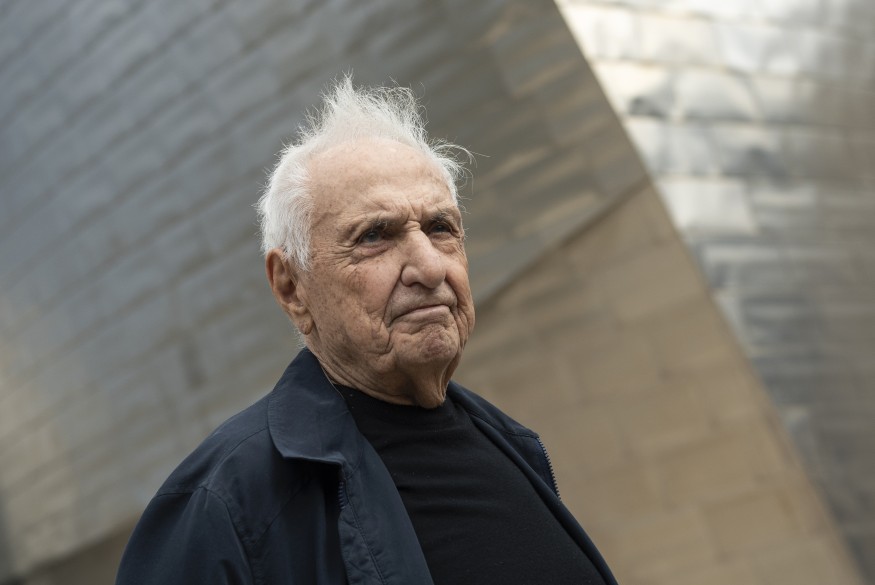
New York has never been short on memorable architecture, but few contemporary architects have challenged the city's visual conventions quite like Frank Gehry. Known for sculptural forms, unconventional façades, and buildings that seem to shift as people move around them, Gehry brought a distinctly expressive approach to one of the world's most recognizable urban landscapes.
Although the architect has completed only a small number of major buildings in New York, his influence is difficult to overlook. From the sail-like IAC Building in Chelsea to the rippling tower at 8 Spruce Street, Gehry's work introduced new shapes and textures to the city's architectural vocabulary.
For anyone interested in Frank Gehry buildings in New York, these projects offer a closer look at how contemporary design can coexist with, and reshape the perception of, historic Manhattan.
Who Is Frank Gehry and What Is He Known For?
Frank Gehry is a Canadian American architect recognized for an approach that treats buildings as sculptural compositions rather than purely functional structures. His work often incorporates curved surfaces, unconventional geometries, metal cladding, and forms that appear to move despite being constructed from rigid materials.
His international portfolio includes the Walt Disney Concert Hall in Los Angeles and the Guggenheim Museum Bilbao in Spain. His work has also earned some of architecture's highest honors, including the Pritzker Prize.
What makes Frank Gehry architecture particularly recognizable is its ability to change depending on the viewer's position. Reflections, curves, folds, and shifting light can make the same façade look different throughout the day.
That quality became especially significant in Manhattan, where buildings are typically experienced from multiple directions and against a dense backdrop of historic and modern structures.
When Did Frank Gehry Begin Making His Mark in New York?
Gehry's relationship with New York developed through several projects before his most recognizable Manhattan buildings emerged. One important early commission was the interior of the Condé Nast cafeteria at 4 Times Square, which introduced elements of his distinctive design language to the city.
His larger impact arrived with the IAC Building and 8 Spruce Street. These projects demonstrated that Gehry's highly individual architectural vocabulary could work within New York's demanding urban environment.
Rather than simply reproducing the established skyscraper formula, Frank Gehry New York projects introduced a more fluid interpretation of the city's vertical architecture.
Which Frank Gehry Buildings Changed New York's Skyline?
Two completed buildings are particularly important when examining Gehry's influence on Manhattan. They demonstrate two very different ways the architect approached the city.
The IAC Building Brought a Sculptural Façade to Chelsea
Completed in 2007 at 555 West 18th Street, the IAC Building became Gehry's first full-building design in New York City. Its glass exterior resembles billowing sails, creating an impression of movement along the West Side.
The relatively low-rise structure stands apart from the traditional rectangular office building. Its façade curves inward and outward, while its glass surfaces reflect changing daylight and the surrounding city.
The building's importance extends beyond its unusual appearance. It showed how a commercial building could become an architectural focal point without relying on conventional height. Within the rapidly changing Chelsea neighborhood, it added another layer to the evolving story of New York architecture.
8 Spruce Street Reimagined the Manhattan Skyscraper
If the IAC Building introduced Gehry's sculptural language to New York, 8 Spruce Street brought it dramatically upward.
Completed in 2011, the 76-story residential tower rises approximately 870 feet above Lower Manhattan. Its stainless-steel exterior is defined by thousands of individual panels that create an undulating surface. Instead of presenting a flat curtain wall, the façade appears to ripple across the height of the tower.
The effect is particularly striking from a distance. Depending on the angle, sunlight, and weather, portions of the façade can appear bright, dark, smooth, or deeply textured.
Its location also makes the building architecturally significant. Positioned near City Hall Park, the Brooklyn Bridge, and historic skyscrapers including the Woolworth Building, 8 Spruce Street creates a direct visual conversation between different generations of Manhattan skyline architecture.
What Makes Frank Gehry's New York Buildings Stand Out?
Several characteristics explain why Gehry's buildings remain so recognizable within the city.
- Sculptural forms: Curves and irregular shapes distinguish his work from conventional rectilinear towers.
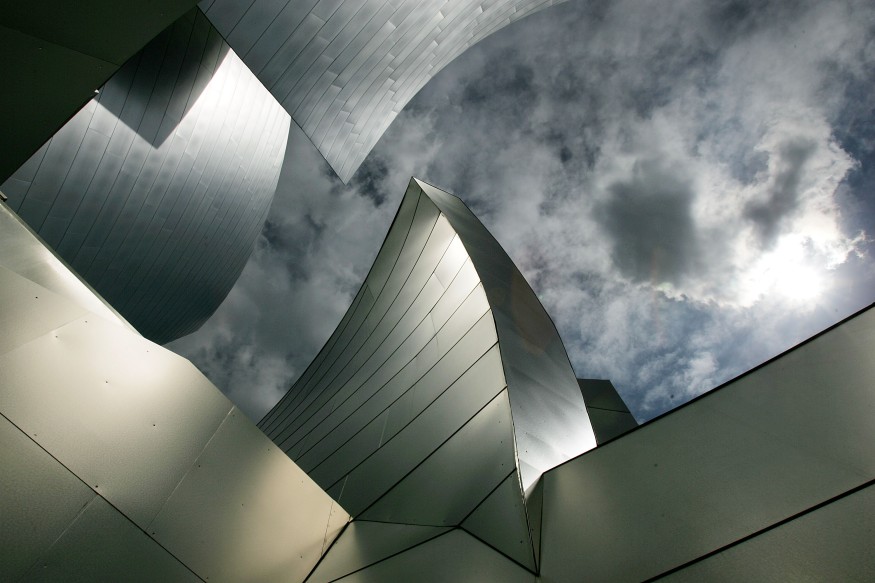
- Reflective surfaces: Glass and metal interact with daylight and surrounding buildings, creating constantly changing views.
- Movement: Undulating façades give static structures a visual sense of motion.
- Contrast: Gehry often places contemporary forms beside historic architecture rather than attempting to imitate it.
- Strong identity: His buildings can be recognized from a distance, giving them an immediate presence within the urban landscape.
How Do Gehry's Buildings Fit Into New York's Historic Skyline?
One of the most interesting aspects of Frank Gehry buildings New York is their relationship with the city's architectural history. Manhattan is filled with landmarks representing different eras, from Art Deco skyscrapers to Beaux-Arts buildings and modern glass towers.
Gehry's projects add another architectural language to that mix. 8 Spruce Street, for example, does not attempt to blend into the historic surroundings of Lower Manhattan. Its rippling exterior creates a deliberate contrast with the more rigid forms of neighboring towers.
That contrast is part of what makes the building successful as a piece of Manhattan skyline architecture. It acknowledges that the city is continually evolving while preserving the visual evidence of earlier generations.
Why Frank Gehry's New York Architecture Still Matters
Frank Gehry's New York portfolio may be relatively compact, but its visual influence is considerable. The IAC Building demonstrated how a lower-rise structure could become a landmark through form and material, while 8 Spruce Street pushed his sculptural approach into the skyscraper category.
Together, the buildings helped expand expectations for what contemporary architecture could contribute to Manhattan. Rather than competing with the city's historic landmarks by copying them, Frank Gehry architecture introduced a contrasting language based on movement, texture, reflection, and unconventional form.
Frequently Asked Questions
1. What is Frank Gehry's most famous building in New York?
8 Spruce Street, also known as New York by Gehry, is generally regarded as his most prominent New York skyscraper. Its rippling stainless-steel façade makes it one of Lower Manhattan's most recognizable contemporary buildings.
2. What buildings did Frank Gehry design in New York?
Among Gehry's best-known completed New York projects are the IAC Building in Chelsea and 8 Spruce Street in Lower Manhattan. He has also worked on other New York commissions and interiors.
3. What is unique about Frank Gehry's architecture?
Frank Gehry architecture is known for sculptural forms, curved surfaces, unconventional geometries, reflective materials, and façades that can change visually depending on light and viewing angle.
4. How did Frank Gehry influence New York architecture?
Gehry expanded the visual vocabulary of New York architecture by demonstrating how skyscrapers and commercial buildings could use expressive, sculptural forms rather than relying primarily on traditional geometric façades.


Farrow & Ball's New Heritage Wallpapers Bring Historic Patterns Into Modern Homes

Little Greene Names Marle Its 2027 Color of the Year, a Warm Brown Made for Cozy Homes

8 Stylish Halloween Staircase Decor Ideas That Make a Dramatic Statement

The Best Prime Day Furniture Deals to Look for Before Refreshing Your Home

Tyler Perry's 22.5-Acre Beverly Hills Estate Hits the Market for $57 Million


