Why the Inglenook Fireplace Is Trending Again: Cozy Ideas for Character-Filled Homes
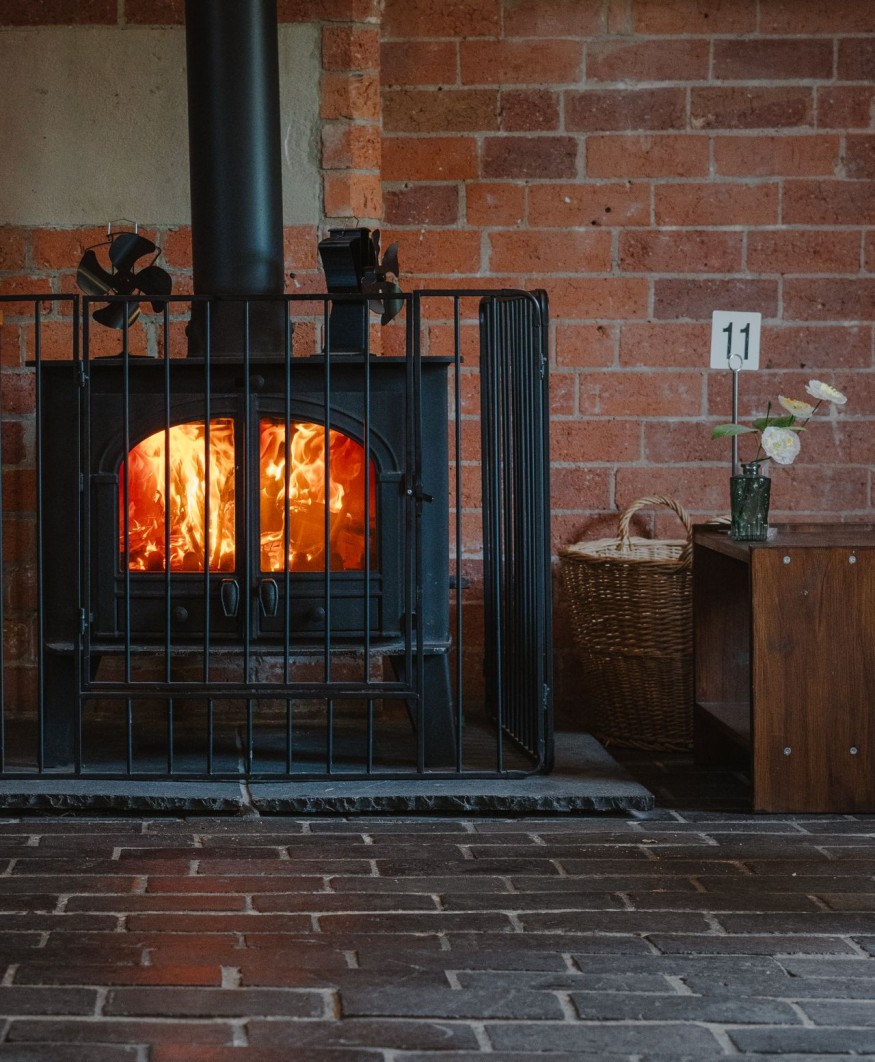
An inglenook is one of those architectural features that can make a room feel instantly warmer and more inviting. Built around a fireplace, this partially enclosed space creates a sheltered area where people can sit, read, relax, or gather. While the feature has roots in historic British homes, its intimate character fits surprisingly well with the way many homeowners approach interiors today.
The renewed interest in the inglenook fireplace also reflects a broader appreciation for rooms with architectural character. Rather than treating a fireplace as a standalone focal point, an inglenook incorporates it into the surrounding space, often using built-in seating, stone, brick, timber, or shelving. The result is a setting that feels connected to the room rather than simply placed within it.
As interest in cozy home design, traditional interior design, and character-rich spaces continues, the inglenook offers an appealing way to combine history with comfort.
What Is an Inglenook?
An inglenook is a recessed or partially enclosed area built around a fireplace. Traditional examples often feature a large hearth surrounded by masonry, timber, or other substantial architectural elements. Some also include built-in benches positioned close to the fire.
The defining characteristic is enclosure. A conventional fireplace generally sits against a wall and opens directly into the room, while an inglenook fireplace creates a more intimate zone around the hearth.
Historically, the fireplace was an important part of domestic life, serving as a source of heat and a natural gathering point. The inglenook developed around this function by creating a sheltered place beside the fire. Its design therefore combines practical considerations with a strong sense of atmosphere.
Today, the term can describe both historic architectural features and contemporary interpretations. A modern inglenook design may use a compact wood-burning stove, built-in cabinetry, plaster, stone, or tile while maintaining the enclosed feeling that defines the style.
What Is the History of the Inglenook Fireplace?
The inglenook is closely associated with traditional British architecture, particularly older rural and vernacular homes. Historic fireplaces could be considerably larger than contemporary hearths, creating enough space around the fire for household activities and seating.
The feature later became associated with the Arts and Crafts movement, which placed considerable value on craftsmanship, natural materials, and architectural details inspired by traditional buildings. Inglenooks became a recognizable element in homes designed to emphasize warmth, craftsmanship, and a connection to domestic life.
That history explains why the feature works naturally with English cottage style and cottage interior design. Exposed brick, rough stone, aged timber, handmade-looking surfaces, and comfortable textiles all complement the architecture without making the space feel overly formal.
Why Is Inglenook Design Trending Again?
The renewed interest in the inglenook fireplace is part of a larger movement toward interiors that feel personal, comfortable, and rooted in architectural character. Many contemporary rooms favor natural materials, tactile finishes, vintage influences, and spaces designed for lingering rather than simply passing through.
An inglenook naturally supports those priorities. Its recessed form gives a fireplace greater visual presence while creating a distinct destination within a larger room. Built-in seating can turn the area into a reading corner, while shelves can provide space for books, ceramics, artwork, or firewood.
The look also fits several current fireplace trends 2026, particularly designs that emphasize materiality and atmosphere instead of relying solely on decorative finishes. Stone, brick, wood, limewash-inspired surfaces, and traditional hearth details can give a new fireplace a sense of permanence.
The appeal is not limited to period properties. Contemporary interpretations can be cleaner and more streamlined while retaining the characteristic sense of enclosure.
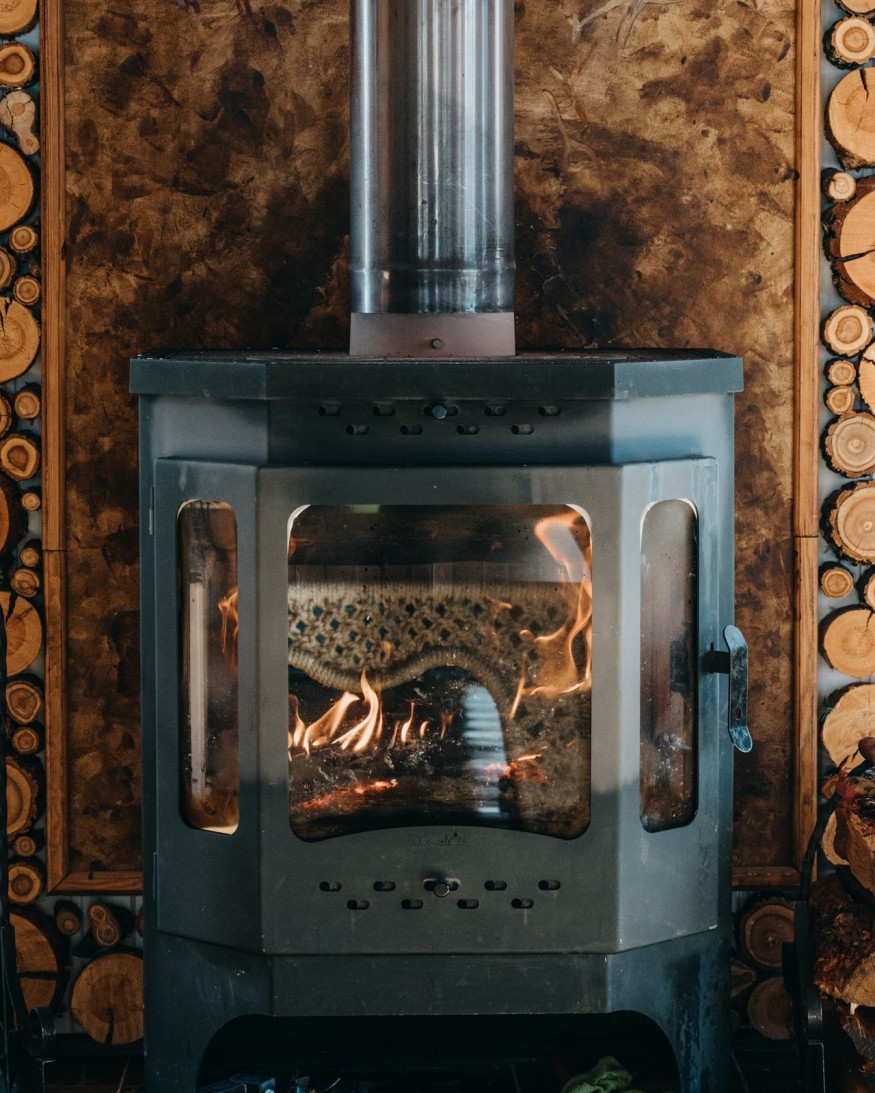
7 Inglenook Design Ideas for a Modern Home
- Built-in seating: A bench tucked beside the hearth can recreate the intimate quality of a traditional inglenook while providing practical seating.
- Natural stone: Rough or softly textured stone can give an inglenook fireplace a substantial, timeworn appearance.
- Timber details: Wooden beams, shelves, or cabinetry can introduce warmth and complement traditional interior design.
- Cottage-inspired styling: Woven textiles, ceramics, baskets, vintage accessories, and comfortable upholstery work naturally with English cottage style.
- Layered lighting: Wall lights, table lamps, and other soft sources can emphasize the recessed architecture when the fireplace is not in use.
- Contemporary materials: Smooth plaster, restrained tile, and streamlined furniture can give the traditional form a more modern interpretation.
- Decorative framing: Bookshelves, cabinetry, or architectural partitions can visually frame an existing fireplace and suggest the feeling of an inglenook without constructing a new recess.
Are Inglenook Fireplaces Practical?
An inglenook can be practical when its design responds to the needs of the room. Built-in seating and storage can make efficient use of otherwise awkward areas, while the fireplace itself can remain the visual center of the space.
However, fireplace installation requires more than aesthetic planning. The type of fire, chimney or flue requirements, ventilation, heat protection, and surrounding materials all need to be considered. Any new or altered fireplace should be designed and installed according to applicable building and safety requirements.
For that reason, homeowners considering a new inglenook fireplace should treat the architectural design and fireplace installation as connected but separate decisions.
Why the Inglenook Belongs in Cozy Home Design
The enduring appeal of the inglenook comes from its ability to make a fireplace feel like a place rather than simply a feature. Its enclosed architecture encourages people to gather, settle in, and use the room more intentionally.
That quality makes it particularly relevant to today's cozy home design, where comfort and character often matter as much as visual impact. Whether recreated in a historic cottage or interpreted within a contemporary living room, an inglenook can bring together natural materials, traditional craftsmanship, and practical comfort.
Frequently Asked Questions
1. What does inglenook mean?
An inglenook is a recessed or partially enclosed area built around a fireplace, often incorporating seating or other architectural features.
2. What is an inglenook fireplace?
An inglenook fireplace is a hearth designed as part of an enclosed or recessed architectural space. It typically creates a more intimate setting than a conventional fireplace.
3. Are inglenook fireplaces still popular?
Yes. The design continues to appeal to homeowners interested in traditional details, natural materials, cozy fireplace ideas, and character-rich interiors.
4. Can an inglenook be added to a modern home?
A modern home can incorporate an inglenook-inspired fireplace area, although creating a true architectural inglenook may require substantial structural work and professional planning.


Cushcore: The Cozy Decor Trend Making Homes Feel Softer This Fall

These 5 Common Household Items Could Be Making Your Home Feel Cluttered

Split-Level Home Designs Make a Comeback, and Modern Homeowners Take Notice

Designers Ditch Neutral Kitchens for Red With Surprisingly Chic Results

Gravel Gardens Explained: How to Design an Attractive Lower-Maintenance Landscape


