Mudroom vs. Entryway: The Key Differences Every Homeowner Should Know
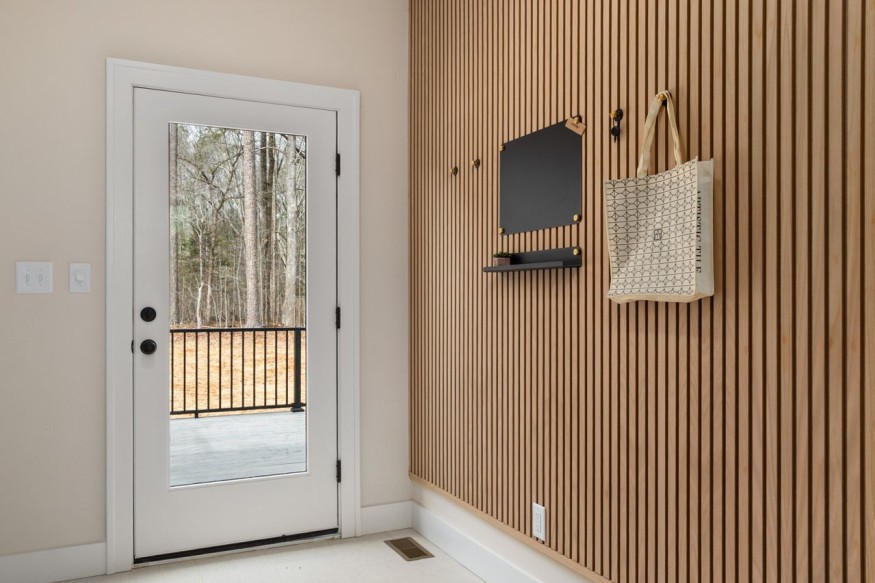
A mudroom and an entryway can both sit near a home's entrance, but they serve different purposes. An entryway is generally designed to welcome people into the house and establish the tone for the interior. A mudroom is more focused on the practical business of coming and going, providing a place for shoes, coats, bags, sports equipment, pet supplies, and other everyday items.
The distinction matters when planning a renovation or decorating an existing space. A household that regularly enters through a garage may benefit from a hardworking mudroom zone, while a home that receives frequent guests may place more emphasis on a polished front entry.
The two spaces can also coexist. In larger homes, an entryway can remain relatively decorative while a mudroom handles the mess of daily life.
What Makes a Mudroom Different?
A mudroom is essentially a transition zone between the outdoors and the more finished areas of the home. It is typically located at an entrance that household members use frequently, such as a garage, side door, or back door.
Storage is central to the design. Hooks, cubbies, benches, baskets, cabinets, shoe storage, and shelves can all be incorporated according to the household's needs.
The Spruce describes mudrooms as utilitarian spaces designed to accommodate everyday belongings such as shoes, bags, coats, and sports equipment. Durable materials are also particularly useful because the room is likely to encounter dirt and moisture.
A mudroom can be highly customized. A family with children might need individual cubbies, while a household with pets could benefit from a dedicated area for leashes and cleaning supplies. Homes in climates with substantial rain or snow may need particularly durable flooring and convenient places to dry wet outerwear.
The important point is that a mudroom is designed around behavior. Its success depends less on how it photographs and more on whether it makes everyday routines easier.
What Makes an Entryway Different?
An entryway generally has a stronger emphasis on arrival and presentation.
Depending on the architecture of the home, it may be a small area immediately inside the front door, a hallway, or a larger foyer. A console table, mirror, artwork, lighting, rug, bench, or decorative object can help define the space.
Storage can still be included, but it does not necessarily need to dominate the design.
The entryway is often the first interior space visitors see, making it an opportunity to establish the home's visual language. Current design advice continues to emphasize balancing function with style in these spaces. The Spruce, for example, notes that a useful surface such as a console can provide everyday storage while also giving an entryway a decorative focal point.
The best entryways are therefore not simply empty areas between the front door and the rest of the house. They can provide a practical landing spot for keys and bags while creating a sense of arrival.
When a Home Needs Both Spaces
There is no reason a house cannot have both an entryway and a mudroom.
A common arrangement is to keep the front entrance relatively polished for guests while locating the mudroom near the garage or secondary entrance. This allows the household to have a designated place for muddy shoes, backpacks, coats, sports equipment, and other everyday belongings without turning the formal entrance into a storage area.
The distinction can be particularly useful in family homes. Children can drop backpacks and shoes in the mudroom rather than leaving them near the front door, while guests entering through the main entrance encounter a cleaner, more decorative space.
The same principle applies to homes with pets. A mudroom can contain leashes, towels, food supplies, and cleaning products near the entrance most commonly used for walks.
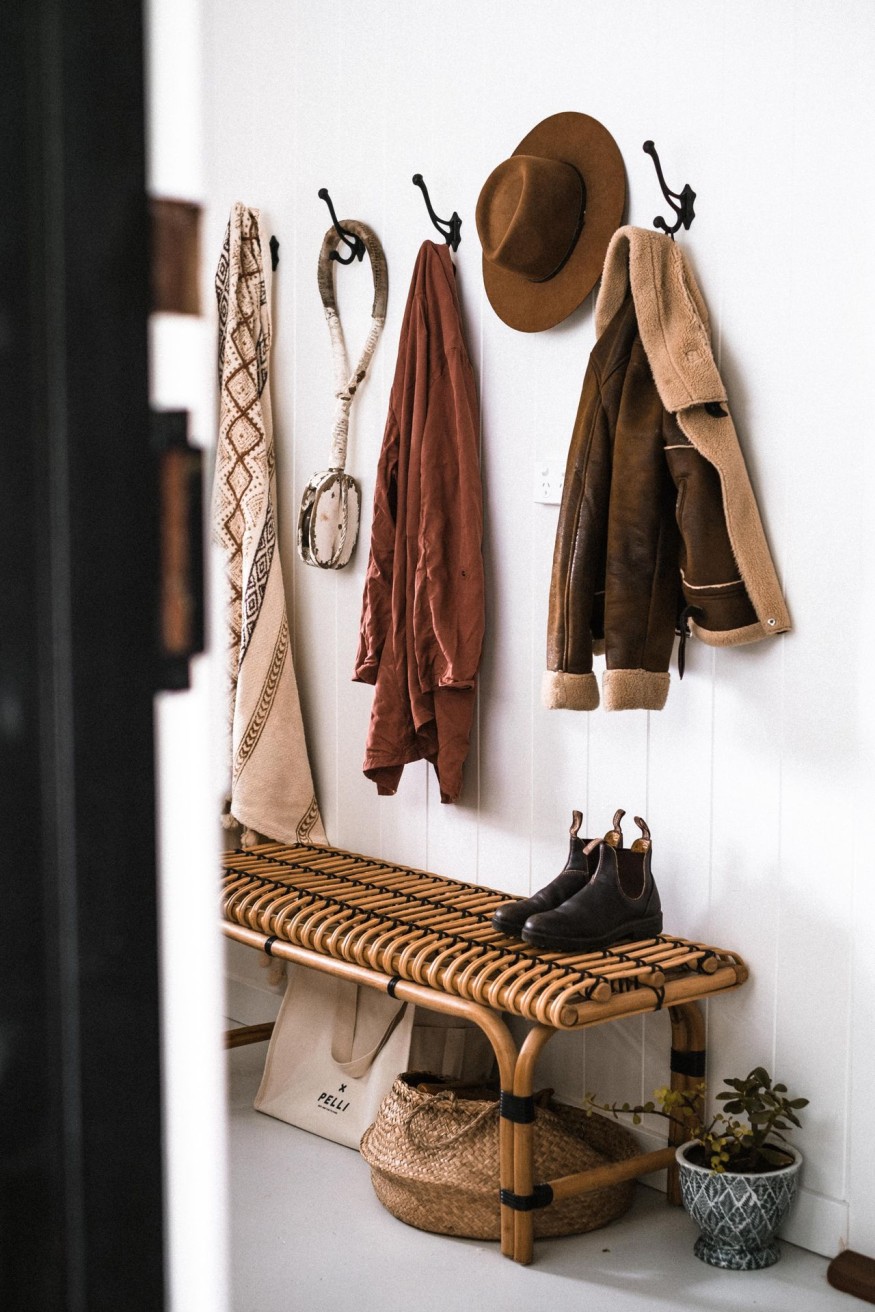
Even without a dedicated room, homeowners can create two distinct zones. A hallway can combine a small bench and hooks for practical storage with a console, mirror, and artwork for a more finished entry experience.
How to Decide Which Space Your Home Needs
The best choice depends on how the household actually uses the home.
First, consider the entrance used most frequently. If everyone enters through the garage, designing an elaborate front-door drop zone may not solve the real storage problem. A mudroom area near the garage could be more useful.
Next, consider what needs to be stored. Households with children, pets, outdoor hobbies, frequent sports activities, or substantial seasonal clothing may benefit from the additional organization a mudroom provides.
Available space also matters. A mudroom does not have to be a separate room. Even a narrow hallway can become a compact mudroom with hooks, a bench, shoe storage, and overhead cabinets.
Material selection should reflect the function of the space. Mudrooms benefit from surfaces that can tolerate everyday wear, while entryways can place greater emphasis on decorative finishes.
Finally, consider how the entrance should feel. A home does not have to choose between practical storage and attractive design. Cabinetry, millwork, baskets, hooks, lighting, and durable finishes can make a mudroom feel intentional rather than purely utilitarian.
The same principle applies to an entryway. A beautiful console is more useful when it provides somewhere to place keys, while an attractive bench can double as shoe storage.
Ultimately, the distinction comes down to purpose. The entryway is primarily about arrival and presentation, while the mudroom is about transition, storage, and everyday function.
For homes with enough space, using both can create a clear division between the entrance guests see and the entrance the household actually lives through. For smaller homes, combining the two functions may be the more practical solution.
The goal is not to create a space simply because it has a particular name. It is to design the entrance around the way people actually move through the home.
Frequently Asked Questions
1. What is the main difference between a mudroom and an entryway?
An entryway generally emphasizes arrival, presentation, and basic drop-zone functions, while a mudroom is designed primarily for storage and managing everyday outdoor gear.
2. Can a small home have a mudroom?
Yes. A mudroom can be a compact zone rather than a dedicated room. Hooks, a bench, shelves, cabinets, and durable flooring can create a functional mudroom area in a hallway or near a secondary entrance.
3. Does a mudroom have to be near the front door?
No. Mudrooms are often located near garages, side doors, or back entrances because those may be the entrances household members use most frequently.
4. Can a home have both a mudroom and an entryway?
Yes. The two spaces can perform different functions. The entryway can serve as a welcoming front entrance, while the mudroom handles daily storage and household traffic.


Glidden's New 2027 Color of the Year Makes a Strong Case for Smoky Blue

Venus Williams' New Crate & Barrel Collection Blends Tennis and Italian Design

Where Should You Put Your Bed? The Feng Shui Rule That Matters Most

The Small Design Decisions You Keep Ignoring Could Be Hurting Your Decor

No Yard? These Small-Space Succulent Garden Ideas Make the Most of Every Inch


