Minwax’s 2027 Color of the Year Is Pickled Oak, a Fresh Take on Natural Wood
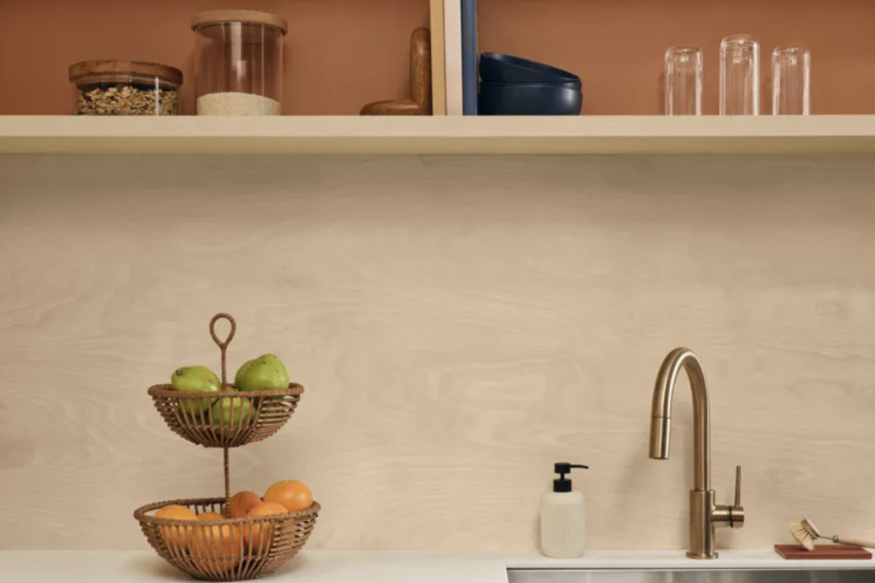
Natural wood is getting a softer, lighter treatment in 2027, and Minwax is making the case for embracing the material rather than covering it up. The wood stain brand has named Pickled Oak (MW260) its 2027 Color of the Year, introducing a pale, warm neutral that highlights the character of wood while giving furniture, cabinetry, and decorative details a fresh appearance.
Unlike conventional paint color announcements, Minwax's annual selection focuses on how stain can change the look of a surface without concealing its natural grain. Pickled Oak reflects an ongoing interest in authentic materials, understated finishes, and interiors that feel calm and connected to nature.
According to Minwax's October 6 announcement, the shade was selected in response to growing interest in natural wood aesthetics and more intentional living spaces. Its light, airy appearance offers an alternative to both heavily stained timber and painted finishes, giving homeowners another way to refresh existing pieces without replacing them.
What Makes Pickled Oak Different?
Pickled Oak is a light neutral with gentle warm undertones. Rather than creating a solid layer of color, the finish gives wood a subtle wash that allows its underlying grain to remain visible.
This distinction is important for homeowners who appreciate the texture and irregularities of natural materials. Wood grain can provide visual depth even when the overall color palette remains restrained, helping a room feel layered without relying on bold patterns or dramatic contrasts.
The finish is particularly relevant to lighter wood aesthetics associated with white oak and vintage pine. Minwax identifies these materials as part of the inspiration behind the selection, which offers a contemporary interpretation of pale, minimally finished timber.
Pickled Oak is also intended to work across different projects. A homeowner might use it to refresh an old dresser, update a bookcase, give a headboard a lighter appearance, or introduce a consistent wood tone across several furnishings.
Why Natural Wood Remains Relevant in Interior Design
The appeal of natural wood extends beyond a particular decorating trend. Its grain, texture, and subtle tonal variations bring organic detail into rooms dominated by smooth surfaces, painted cabinetry, glass, and metal.
Lighter finishes can be especially useful in spaces where homeowners want warmth without a heavy visual effect. Pale timber works with white walls, muted textiles, stone surfaces, and a range of accent colors, making it adaptable to traditional, contemporary, Scandinavian-inspired, and organic modern interiors.
Pickled Oak also reflects a broader shift toward thoughtful updates rather than wholesale replacement. Refinishing a piece of furniture can preserve its original shape and character while helping it fit a new color scheme. This approach may be especially appealing for vintage finds, inherited furnishings, and solid-wood pieces that remain structurally sound.
The finish does not need to be used throughout an entire home to make an impact. A single wooden accent can introduce a natural element into a room, while repeated finishes across selected furniture and architectural details can create a more cohesive look.
How to Use Pickled Oak at Home
The most effective application depends on the existing wood, the lighting, and the surrounding finishes. A light stain can appear different across wood species because each has its own grain pattern, color, and absorption characteristics.
On a dresser or side table, Pickled Oak could provide a softer alternative to a dark brown finish. On cabinetry, it may help create a lighter appearance while retaining the visual interest of the wood. For shelving and bookcases, the finish can complement ceramics, books, greenery, and other decorative objects without competing for attention.
Before committing to a large project, homeowners should test the stain on an inconspicuous area or a sample made from the same wood. The final appearance can vary according to the surface preparation, wood species, application method, and number of coats. Following the product's instructions is essential, particularly when applying stain and a protective topcoat.
Minwax confirms that Pickled Oak is available in its One Step Stain & Topcoat, Premium Water-Based Wood Finish Semi-Transparent Color and Solid Color Stain, and Wood Finish Color Series Premium Oil-Based Stain. Availability may vary by retailer and product line.
The Color Pairings That Make Pickled Oak Stand Out
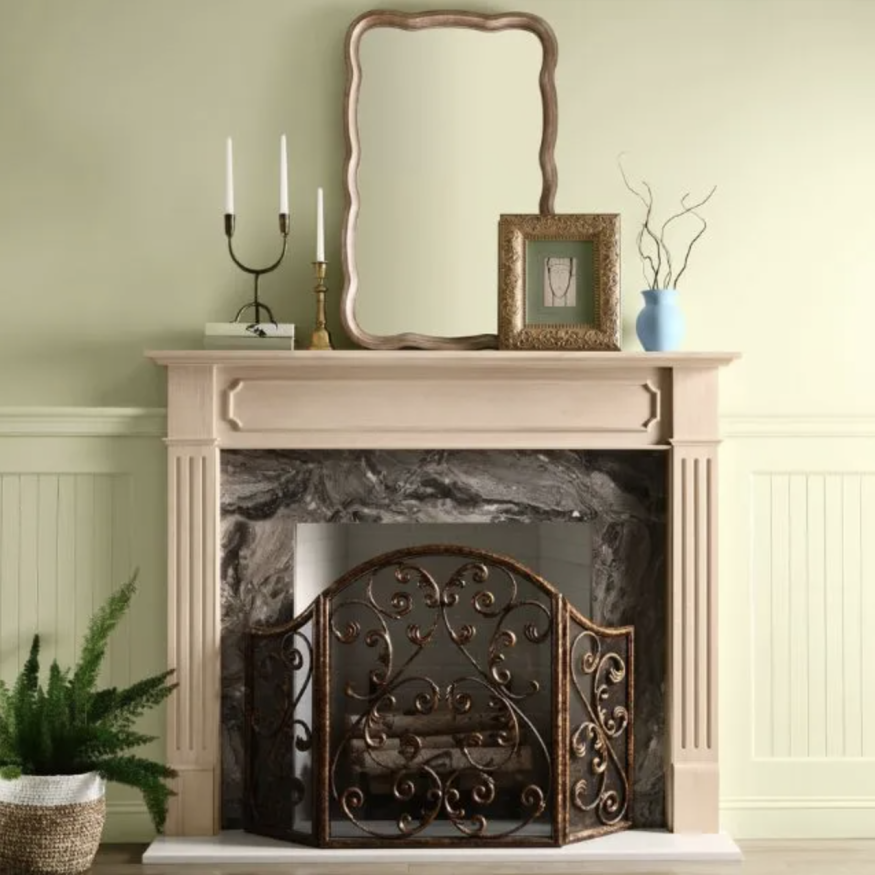
A pale wood finish offers a flexible starting point for a broader interior palette. Minwax has highlighted complementary 2027 selections from other Sherwin-Williams brands, including Celery, a soft green; Dutch Boy Paints' Deep Rooted, an earthy orange; and Valspar's Cottage Door, a grayed blue.
These pairings illustrate several ways to use Pickled Oak. Celery can reinforce a fresh, nature-inspired scheme, while Deep Rooted introduces a richer contrast. Cottage Door offers a cooler counterpoint that can balance the warmth of the wood.
Homeowners do not need to adopt all these colors at once. A single accent wall, a painted cabinet, or a few carefully chosen accessories can introduce color while allowing the wood finish to remain the focal point.
The broader lesson is that natural wood does not need a dark stain or a glossy finish to make a statement. Its texture can provide enough visual character on its own.
Pickled Oak Signals a Softer Direction for Wood Finishes
Minwax's 2027 Color of the Year positions wood stain as an important part of the interior color conversation. Pickled Oak offers a light, warm finish that celebrates visible grain, supports flexible color combinations, and gives existing furniture a potential second life.
For homeowners planning a renovation or a smaller DIY refresh, the shade presents an alternative to painting every surface or replacing furnishings simply to achieve a lighter look. Its appeal ultimately lies in making natural materials feel current without removing the details that make them distinctive.


Farrow & Ball's New Heritage Wallpapers Bring Historic Patterns Into Modern Homes

Little Greene Names Marle Its 2027 Color of the Year, a Warm Brown Made for Cozy Homes

Tyler Perry's 22.5-Acre Beverly Hills Estate Hits the Market for $57 Million

Want a Brighter Room? 7 Designer Tricks That Don't Involve Repainting

Renovating a Bathroom? Designers Say to Fix This Before Anything Else


