The Skirted Furniture Trend Is Returning, and Here’s How to Style It
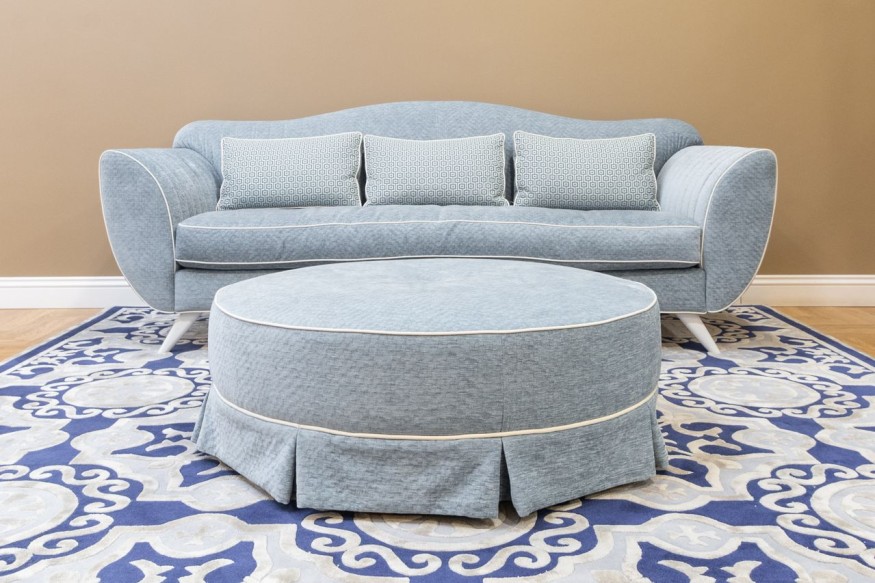
Skirted furniture is making a renewed appearance in interior design, bringing softness, texture, and a distinctly traditional sensibility to contemporary homes. Once closely associated with formal living rooms and country-inspired interiors, fabric-covered furniture bases are finding new applications on sofas, accent chairs, bedside tables, bathroom vanities, and even kitchen sinks.
The appeal extends beyond nostalgia. Furniture skirts can conceal storage, soften angular silhouettes, and introduce decorative fabric without requiring an entirely new piece of furniture. However, the difference between a considered design detail and an outdated look often comes down to proportion, fabric selection, and tailoring.
For homeowners interested in the trend, the objective is not to recreate an old-fashioned room. It is to use fabric strategically to make an interior feel more inviting and individual.
Why Skirted Furniture Is Returning to Modern Homes
Furniture skirts have a long history in traditional interiors, where fabric was used to cover the bases of tables, beds, and upholstered seating. They were practical as well as decorative, helping conceal storage and unfinished furniture components.
The renewed interest in skirted furniture reflects a broader appreciation for traditional detailing, layered textiles, and rooms that feel collected rather than overly coordinated. Compared with exposed metal frames or sharply defined furniture legs, a skirted silhouette creates a softer visual transition between a piece of furniture and the floor.
Fabric also introduces an opportunity to experiment with color and pattern. A simple upholstered chair can become more distinctive with a checked skirt, while a neutral sofa can gain a relaxed, tailored appearance through a contrasting fabric panel.
Recent design coverage has highlighted applications ranging from pleated seating to decorative sink skirts. These examples demonstrate the technique's versatility, although the most suitable treatment depends on the room, furniture type, and intended function.
Choose a Skirt Shape That Suits the Furniture
The shape of a furniture skirt has a substantial influence on its overall appearance. Straight skirts, box pleats, gathered panels, and ruffled designs each create a different effect.
A straight skirt offers a relatively clean silhouette. Its uninterrupted lines make it suitable for contemporary interiors, particularly when the fabric has a subtle texture or restrained pattern.
Box-pleated skirts provide more structure. Their defined folds can complement traditional furniture while creating a tailored appearance that feels intentional rather than fussy.
Gathered skirts introduce greater softness and movement. They work particularly well in relaxed bedrooms, cottage-inspired spaces, and informal sitting areas. Ruffled versions are more decorative and generally suit interiors that already embrace romantic or country-inspired details.
The furniture's proportions should guide the decision. A bulky skirt can make a small chair appear heavier, while an overly narrow or shallow treatment may look unfinished. The fabric should hang naturally without bunching excessively or dragging across the floor.
Select Fabrics That Add Texture and Character
Fabric selection is one of the most important considerations when styling skirted furniture. Even a well-designed skirt can look awkward if the material is too stiff, too thin, or poorly suited to the furniture's shape.
Cotton and linen blends offer versatility for everyday interiors. Their relatively relaxed appearance works well in traditional, coastal, and contemporary spaces. Heavier upholstery fabrics can provide a more structured finish, while lighter materials create softer folds.
Pattern introduces another design opportunity. Gingham, small florals, stripes, and subtle checks can give a skirt personality without overwhelming the room. These patterns often work particularly well on compact pieces, where a limited amount of fabric creates visual interest.
For a more restrained approach, solid-colored fabric with a visible weave can offer depth without competing with nearby upholstery or wallpaper.
Durability should also influence the choice. Furniture skirts near entrances, dining areas, or busy family spaces may collect dust and experience regular contact. Washable or removable fabrics can make maintenance easier, provided the construction allows for practical cleaning.
Before committing to a bold pattern, consider how its colors relate to the room's existing textiles. Repeating one shade from curtains, cushions, or rugs can create cohesion without making everything match.
Use One Skirted Piece as a Deliberate Focal Point
Skirted furniture is often most effective when used selectively. Covering several pieces in the same room can make the design feel repetitive, particularly when each item features a pronounced pattern or elaborate trim.
A single skirted accent chair, upholstered ottoman, or bedside table can provide enough softness to change the room's overall character.
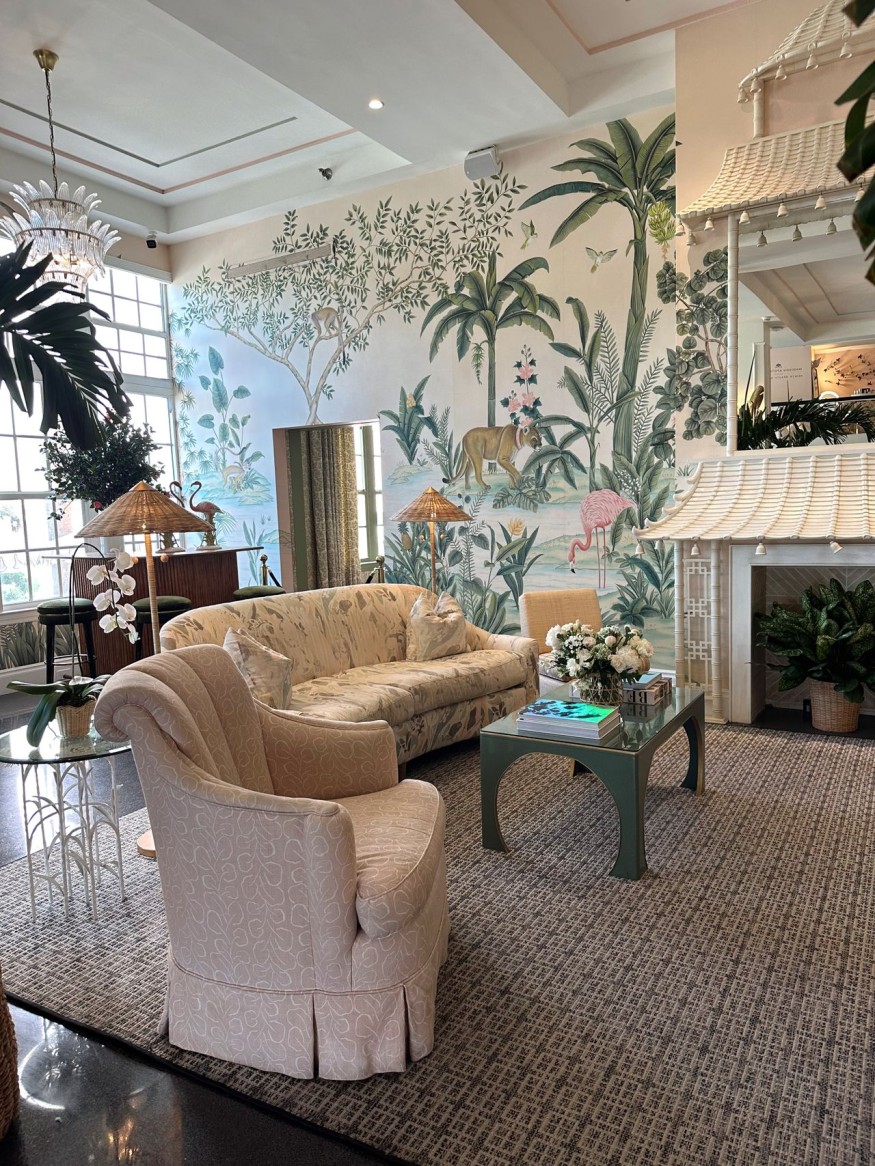
In a living room, a skirted chair can balance a streamlined sofa and a hard-surfaced coffee table. In a bedroom, a fabric-covered bedside table can introduce a decorative layer alongside crisp bedding and simple wood furniture.
A sink skirt offers a different application. It can soften a bathroom or laundry area while concealing plumbing or storage beneath a suitable basin. However, fabric near water should be selected carefully, with attention to ventilation, moisture, and cleaning requirements.
The surrounding furniture does not need to follow the same style. In fact, combining a skirted piece with exposed wood, metal, glass, or stone can create a more balanced composition.
Get the Length and Tailoring Right
Good tailoring separates a polished furniture skirt from one that appears improvised. Uneven hems, inconsistent pleats, and excessive fabric can undermine the entire effect.
The skirt should be measured against the furniture rather than selected by appearance alone. A hem that sits too high may look disconnected from the base, while fabric that pools on the floor can collect dust and interfere with cleaning.
The appropriate length depends on the piece and its setting. Some designs nearly reach the floor, while others leave a small gap that preserves a lighter silhouette.
Pleats should be distributed evenly, seams should sit neatly, and the fabric should hang without twisting. Pattern matching may also matter, especially when working with stripes or checks.
For fitted skirts, custom upholstery or professional alterations can produce a more reliable result than attaching fabric without accounting for the furniture's dimensions. Homeowners adapting existing furniture should also consider how the skirt will be secured and whether it can be removed for cleaning.
Balance Traditional Fabric With Contemporary Details
Skirted furniture does not have to dictate the entire decorating scheme. Pairing it with modern lighting, simple artwork, sculptural accessories, or streamlined furniture can keep the room from feeling overly nostalgic.
For example, a skirted armchair in a small-scale check can sit comfortably alongside a contemporary floor lamp and a plain wool rug. A tailored skirt on a bathroom vanity can soften the space while modern hardware and clean-lined mirrors maintain a current appearance.
Color offers another way to establish balance. Muted greens, warm browns, deep blues, and soft neutrals can complement traditional fabrics without making the room feel overly themed.
The surrounding materials matter, too. Timber, stone, ceramic, and metal can provide contrast against the softness of fabric, creating an interior that feels layered rather than one-dimensional.
Ultimately, the success of skirted furniture depends on thoughtful placement. The technique works best when it responds to the room's architecture, practical needs, and overall visual balance.
Frequently Asked Questions
1. Is skirted furniture still in style?
Skirted furniture is receiving renewed attention in contemporary interiors. Its appeal comes from its ability to add softness, texture, and traditional character to both classic and modern spaces.
2. Which fabrics work best for furniture skirts?
Cotton, linen blends, and suitable upholstery fabrics are versatile choices. The best option depends on the desired structure, pattern, durability, and cleaning requirements.
3. Can skirted furniture work in a modern living room?
Yes. Straight skirts, crisp pleats, and restrained fabrics can complement contemporary furniture. Pairing one skirted piece with clean-lined furnishings helps maintain a balanced appearance.
4. How can homeowners keep skirted furniture from looking dated?
Choose a suitable silhouette, pay attention to tailoring, and avoid covering every piece in the room. Combining fabric skirts with contemporary lighting, natural materials, and simpler furnishings creates a more current result.


Stefano Boeri Architetti Wins Competition for Loco Park, a Green Neighborhood in Tbilisi

Three Architecture Firms Win Competition for Cultural Hub in UNESCO-Listed Valle Camonica

IKEA's New Art Collection Turns Everyday Home Decor Into Affordable Designer Art

Sherwin-Williams's 2027 Color Forecast Unveils 48 Rich Colors to Refresh Your Home in 2027

Modern Kids' Rooms Are Changing: The Kids' Bedroom Ideas Designers Want Now


