Why Marbling Is Becoming One of the Biggest Decorative Trends in Interior Design
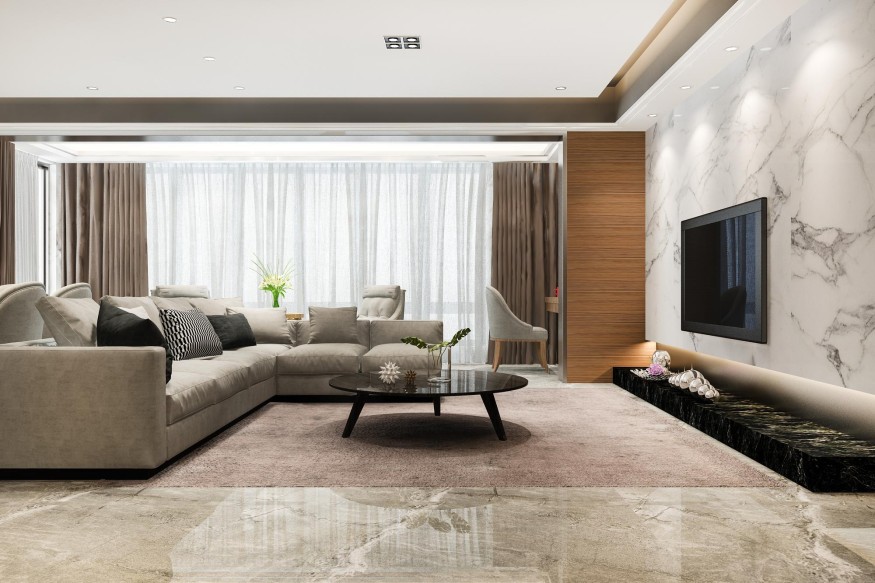
Interior design is moving beyond perfectly uniform surfaces as homeowners look for ways to introduce personality, movement, and craftsmanship into their spaces. One decorative technique gaining renewed attention is marbling, a centuries-old art form known for its fluid patterns, swirling colors, and organic appearance. Once associated primarily with decorative paper, bookbinding, and classical ornamentation, marbling is finding new applications across contemporary interiors, from statement walls to furniture, lampshades, and textiles.
The appeal lies in its ability to make familiar surfaces feel distinctive. Unlike repetitive geometric prints or completely uniform finishes, marbling creates patterns that appear naturally formed. Each variation can introduce depth and visual interest without relying on elaborate ornamentation.
What Makes Marbling Appealing in Interior Design?
Marbling involves creating patterns that resemble the veins, clouds, and flowing colors found in natural stone. Traditional techniques often involve manipulating pigments on a liquid surface before transferring the resulting design onto paper or another material. Contemporary interpretations can also be produced through painting, printing, wallpaper, and decorative finishes.
Its renewed appeal reflects a broader interest in interiors that feel collected, tactile, and individual. After years of popularity for restrained palettes and understated finishes, designers are increasingly exploring surfaces with greater visual expression. Marbling offers an alternative to flat color while retaining a sophisticated appearance.
The technique is also remarkably versatile. Depending on the colors, scale, and intensity of the pattern, it can appear delicate and understated or bold and dramatic. Pale gray swirls against an ivory background can complement a quiet contemporary interior, while deep burgundy, forest green, or cobalt blue can create a more expressive focal point.
This flexibility makes marbling suitable for different decorating approaches, including traditional, eclectic, contemporary, and maximalist interiors.
Marbled Walls Add Movement Without Heavy Ornamentation
Walls provide one of the most effective opportunities to introduce marbling. A marbled wallpaper or painted finish can transform an otherwise simple room by adding subtle variation and visual depth.
Rather than covering every wall with a strong pattern, homeowners can concentrate the treatment on a single surface. An entryway, powder room, reading nook, or dining area can benefit from a marbled feature wall that establishes the room's character without overwhelming it.
The color palette matters as much as the pattern itself. Warm neutrals, muted greens, and soft blues create a restrained effect, while high-contrast combinations produce a more dramatic result.
Marbling can also be used to complement existing architectural features. When the pattern incorporates tones already present in flooring, cabinetry, or upholstery, it helps establish continuity between different materials.
However, heavily patterned walls work best when balanced with simpler furnishings. Allowing the marbled surface to remain visually prominent prevents the room from feeling overcrowded.
Furniture and Decorative Objects Offer Smaller-Scale Applications
Marbling does not need to dominate an entire room to make an impression. Furniture and decorative accessories provide accessible ways to explore the technique without committing to a permanent finish.
A marbled side table, cabinet front, decorative tray, or picture frame can introduce an unexpected artistic element. These smaller applications are particularly useful in neutral rooms where a single patterned object can provide contrast.
Marbled furniture can also create an interesting relationship between old and new. A contemporary table with a swirling finish may feel more expressive when paired with traditional wood furniture, vintage accessories, or sculptural lighting.
For homeowners who enjoy changing their decor seasonally, removable decorative pieces offer flexibility. A marbled vase or tabletop accessory can refresh a space without requiring substantial renovation.
Material selection remains important. A printed imitation marble finish differs from natural stone, and each has distinct maintenance requirements. Decorative finishes intended for furniture should be selected according to the surface, expected wear, and manufacturer's care instructions.
Marbled Lighting and Textiles Bring the Pattern Into Softer Spaces
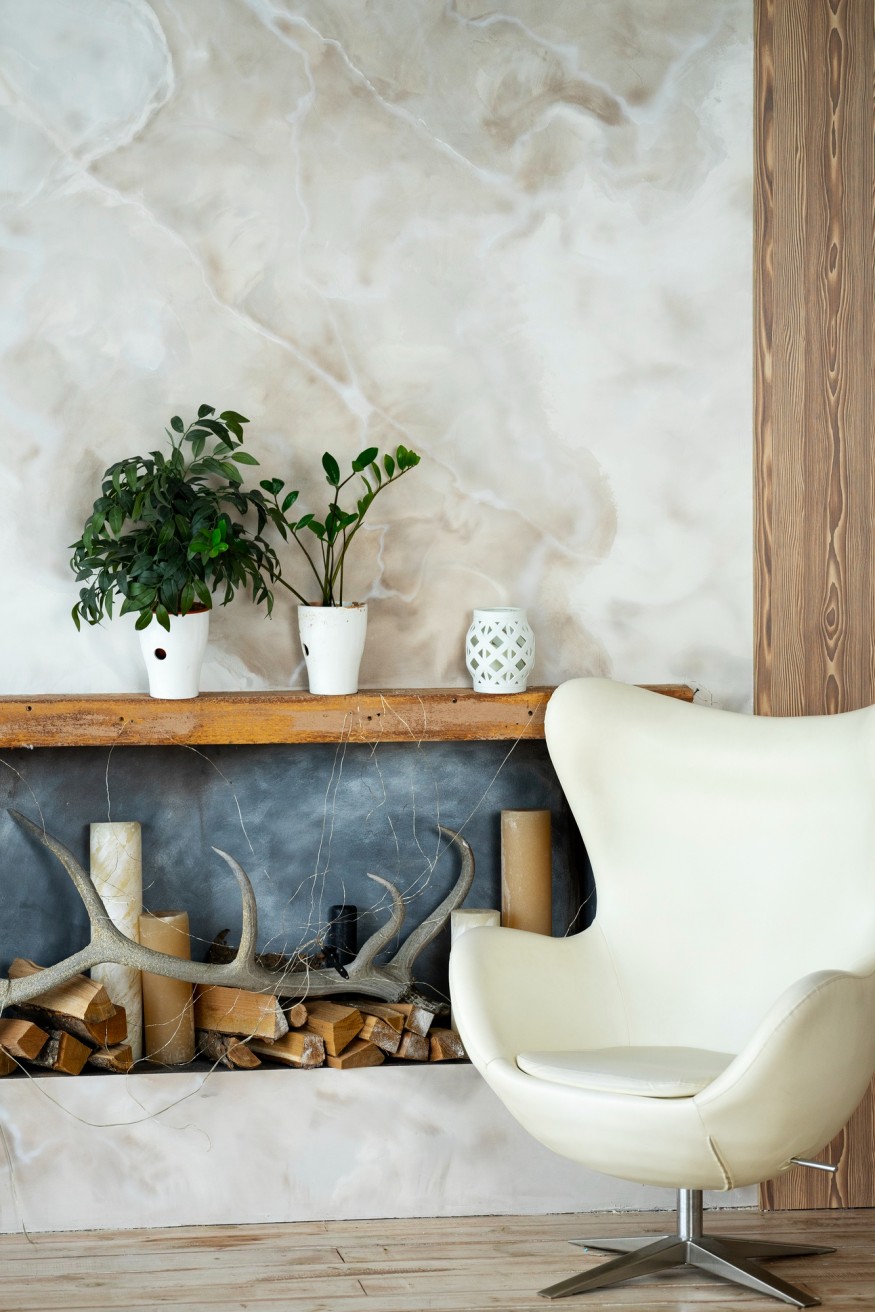
Lighting provides another opportunity to experiment with marbling. Patterned glass, decorative ceramic bases, and marbled lampshades can introduce color and texture while remaining functional.
A lamp with a softly veined shade can complement a traditional bedroom, while a more graphic interpretation may work in a contemporary living room. When illuminated, translucent materials can reveal additional tonal variation, although the effect depends on the material and light source.
Textiles offer similar possibilities. Marbled cushions, curtains, rugs, and upholstery can soften the appearance of a room while introducing movement. These applications are especially effective when the pattern incorporates colors already present in the surrounding furnishings.
How to Use Marbling Without Overwhelming a Room
The most successful marbling schemes establish a clear visual hierarchy. Instead of treating every surface as an opportunity for pattern, designers can choose one principal application and support it with quieter materials.
For example, a marbled wall might be paired with solid-colored upholstery, simple window treatments, and natural wood. Alternatively, a room with understated walls could accommodate a more expressive marbled coffee table or pair of lamps.
Color coordination can make the difference between an intentional design and a collection of unrelated patterns. Repeating one or two tones from the marbling elsewhere in the room creates cohesion without requiring exact matches.
Marbling Offers a Lasting Alternative to Disposable Decor Trends
Although marbling is receiving renewed attention, its history extends far beyond contemporary decorating cycles. That heritage gives the technique a quality that many purely trend-driven patterns lack.
Its longevity, however, depends on how it is used. A carefully chosen marbled accessory or restrained wall treatment can remain appealing even as surrounding furnishings change. Extremely bold applications may require more consideration, particularly when they cover expensive or difficult-to-replace surfaces.
The most effective approach is to treat marbling as a decorative material rather than a requirement for an entire room. Its purpose is to add character, not simply to signal familiarity with a current trend.
As homeowners continue to seek interiors that balance simplicity with individual expression, marbling offers a way to introduce craftsmanship and visual movement without abandoning practical design principles.
Frequently Asked Questions
1. What is marbling in interior design?
Marbling is a decorative technique that creates flowing patterns resembling the veins and swirls of natural stone. It can appear on wallpaper, furniture, lighting, textiles, decorative objects, and painted surfaces.
2. Is marbling suitable for modern interiors?
Yes. Minimalist rooms can benefit from restrained marbling in complementary colors, while eclectic interiors can accommodate more dramatic patterns. The key is choosing an application that suits the room's proportions and existing finishes.
3. Where should marbling be used in a home?
Popular applications include feature walls, powder rooms, side tables, lampshades, trays, and decorative accessories. Smaller objects are a practical starting point for homeowners who want to experiment with the pattern.


Stefano Boeri Architetti Wins Competition for Loco Park, a Green Neighborhood in Tbilisi

Three Architecture Firms Win Competition for Cultural Hub in UNESCO-Listed Valle Camonica

IKEA's New Art Collection Turns Everyday Home Decor Into Affordable Designer Art

Sherwin-Williams's 2027 Color Forecast Unveils 48 Rich Colors to Refresh Your Home in 2027

Modern Kids' Rooms Are Changing: The Kids' Bedroom Ideas Designers Want Now


