What Is a Building Envelope? A Homeowner’s Guide to Its Components
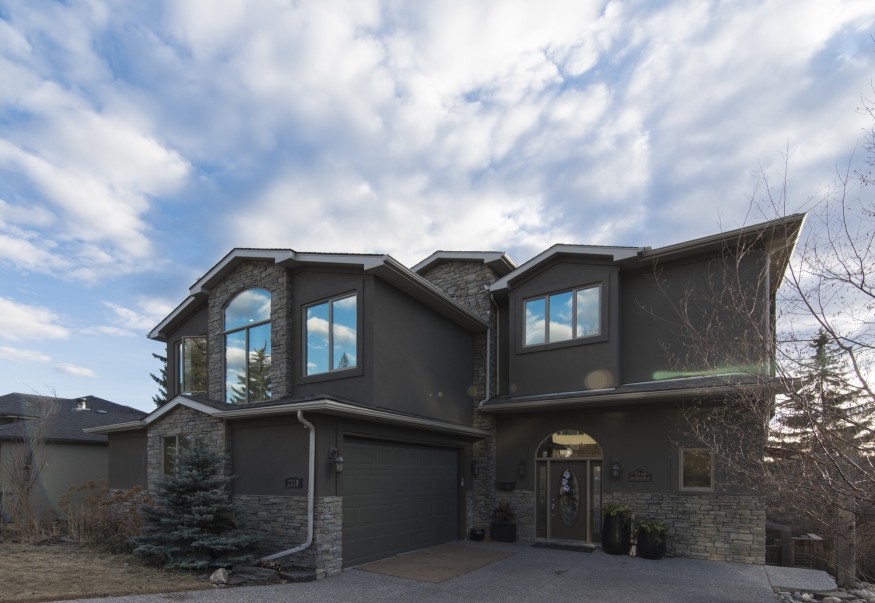
A home's building envelope does more than define its appearance. It serves as the protective boundary between indoor living spaces and the outdoor environment, helping regulate temperature, manage moisture, and keep weather outside where it belongs.
The term refers to the collection of components that separate a building's interior from its surroundings. These typically include the roof, exterior walls, windows, doors, foundation, and the materials and systems that connect them. Together, they influence indoor comfort, energy use, moisture management, and the long-term durability of the structure.
Although building envelopes are often discussed in architecture and construction, homeowners also have practical reasons to understand them. Problems such as persistent drafts, water leaks, condensation, and uncomfortable indoor temperatures can sometimes be traced to weaknesses in the building envelope.
Understanding how its components work together can help homeowners recognize maintenance concerns, plan renovations, and make better decisions about improving their property's performance.
What Does a Building Envelope Do?
The primary function of a building envelope is to separate the indoor environment from outdoor conditions while allowing the home to remain comfortable and functional.
Depending on the climate and building design, this means controlling heat transfer, limiting unwanted air movement, directing rainwater away from vulnerable areas, and managing moisture within walls and roofs.
For example, insulation helps slow the movement of heat through exterior walls and the roof. Properly installed windows and doors reduce unwanted air leakage, while flashing and water-resistant layers help prevent rain from entering the structure.
The building envelope also affects natural lighting, sound transmission, and the home's overall resilience to weather. A well-designed system can reduce the strain on heating and cooling equipment, although the actual benefits depend on construction quality, climate, ventilation, and how the building is used.
According to the U.S. Department of Energy's Building Envelope initiative, the envelope is an important part of building performance because it influences thermal conditions, natural lighting, ventilation, and energy demand.
The Main Components of a Building Envelope
1. Roof and Ceiling Assembly
The roof is one of the home's primary defenses against rain, wind, sunlight, and other weather conditions. Its outer covering may consist of shingles, metal panels, tiles, membranes, or another suitable roofing material.
Beneath that covering, additional layers may include underlayment, flashing, structural decking, insulation, and air-control materials. Their arrangement varies according to the roof design and local climate.
The ceiling and attic assembly can also play an important role in thermal performance. Insulation helps limit heat transfer between the living areas and the roof or attic, while air sealing reduces uncontrolled movement through gaps around wiring, fixtures, and other penetrations.
2. Exterior Walls and Cladding
Exterior walls provide structural support in many building designs while forming a major part of the protective envelope. Their construction varies widely, ranging from concrete and masonry to timber framing and lightweight wall assemblies.
The outermost finish, often called cladding, may include siding, brick, stone, stucco, or other materials. It provides the visible appearance of the home and offers varying degrees of protection against weather.
However, cladding alone does not necessarily create a fully weatherproof wall. Many wall assemblies incorporate additional layers behind the exterior finish to manage water, control air movement, and provide insulation.
3. Windows and Exterior Doors
Windows and exterior doors provide access, daylight, views, and ventilation while creating openings in the building envelope.
Because these openings interrupt otherwise continuous wall assemblies, their installation details matter. Frames must be properly integrated with surrounding materials, and flashing should direct water away from vulnerable joints.
Weatherstripping and suitable seals help limit unwanted air movement around operable windows and doors. Glazing performance also affects how much heat enters or leaves the home, depending on the glass specification, frame construction, orientation, and climate.
Older or poorly installed units may contribute to drafts, water infiltration, condensation, or uncomfortable temperature differences near the opening.
4. Insulation and Thermal Control
Insulation slows heat transfer through the building envelope. It can be installed in wall cavities, above ceilings, beneath roofs, and in suitable foundation or floor assemblies.
Common materials include fiberglass, mineral wool, cellulose, and various rigid or spray-applied foams. Each has different properties, installation requirements, and moisture-related considerations.
The appropriate choice depends on the building's construction, climate, available space, and performance requirements. Insulation should be installed according to the relevant specifications, without significant gaps, compression, or voids that reduce its effectiveness.

5. Air Barriers and Moisture-Control Layers
Air barriers help control unwanted airflow through the building envelope. They may consist of sealed rigid panels, membranes, suitable building boards, or other materials that form a continuous system.
Their effectiveness depends on continuity. Gaps around windows, doors, service penetrations, and connections between walls and roofs can undermine performance if they are not properly addressed.
Moisture control requires a separate but coordinated approach. Rainwater must be directed away from the structure, while water vapor and moisture carried by air need to be managed according to the wall assembly and climate.
Why the Building Envelope Matters to Homeowners
A well-performing envelope can contribute to more consistent indoor temperatures, reduced drafts, better moisture management, and lower heating or cooling demand.
It can also help protect structural materials and interior finishes from damage caused by persistent water intrusion or condensation.
However, envelope improvements should be planned as part of a coordinated system. Making a home more airtight, for example, can change its ventilation requirements. Adequate ventilation remains important for indoor air quality and moisture management.
How to Maintain a Home's Building Envelope
Regular inspections help homeowners identify developing problems before they cause extensive damage. Roof coverings, gutters, downspouts, exterior sealant, wall finishes, and window and door connections deserve particular attention.
Inside the home, recurring damp patches, peeling paint, musty odors, condensation, and unexplained temperature differences can indicate issues that need investigation. These symptoms do not always identify the exact cause, so persistent problems should be assessed rather than simply covered with new paint or sealant.
After severe weather, checking for visible damage and water entry can help identify urgent repairs. Homeowners should also maintain drainage around the foundation and ensure that water is directed away from the structure.
When undertaking renovations, it is worth considering how new materials will connect to the existing envelope. Replacing one component without accounting for adjacent layers can create gaps in water management, insulation, or air control.
Ultimately, the building envelope is not a single product or material. It is an interconnected system whose performance depends on sound design, proper installation, and ongoing maintenance.
Frequently Asked Questions
1. What are the main components of a building envelope?
The main components typically include the roof, exterior walls, windows, exterior doors, foundation, insulation, air barriers, and materials that control water and moisture.
2. Is insulation the same as a building envelope?
No. Insulation is one component of the building envelope. The envelope also includes structural assemblies, openings, weather-resistant layers, and systems that control air and moisture movement.
3. What are common signs of building envelope problems?
Recurring leaks, drafts, condensation, damp patches, peeling paint, damaged exterior finishes, and unexplained indoor temperature differences may indicate problems that require investigation.


Stefano Boeri Architetti Wins Competition for Loco Park, a Green Neighborhood in Tbilisi

Three Architecture Firms Win Competition for Cultural Hub in UNESCO-Listed Valle Camonica

IKEA's New Art Collection Turns Everyday Home Decor Into Affordable Designer Art

Sherwin-Williams's 2027 Color Forecast Unveils 48 Rich Colors to Refresh Your Home in 2027

Modern Kids' Rooms Are Changing: The Kids' Bedroom Ideas Designers Want Now


