The August Gardening Secret: Turn Shrub Cuttings Into Free Plants This Late Summer
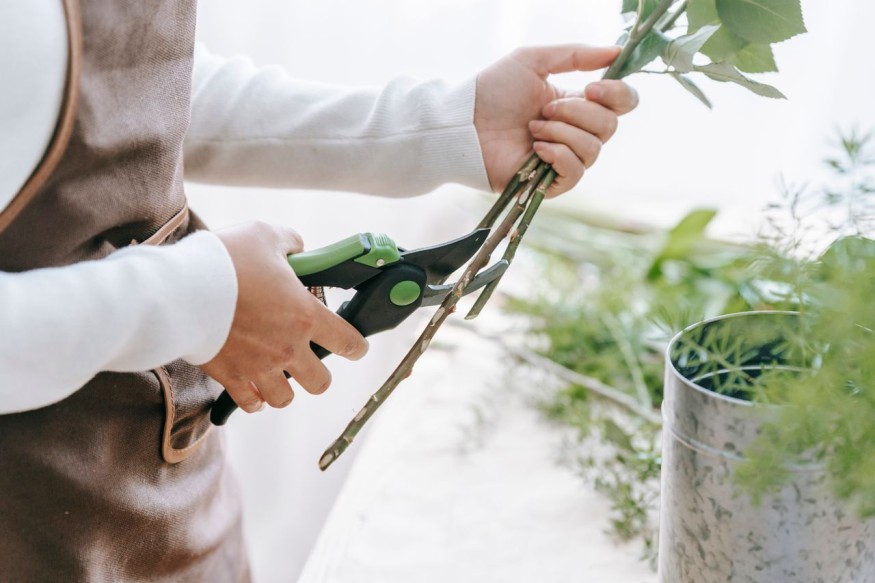
Late summer is often associated with harvesting vegetables, tidying flower beds, and preparing gardens for the changing seasons. However, August is also one of the most rewarding times to grow new shrubs without spending money. As many shrubs shift from soft spring growth to firmer stems, they reach the ideal stage for propagation. This makes shrub cuttings an easy and practical project for gardeners looking to expand their landscapes.
Whether the goal is to fill empty borders, create a privacy hedge, or simply multiply favorite plants, taking cuttings is one of the most effective free gardening ideas. With a few healthy stems, a suitable growing medium, and a little patience, gardeners can raise new plants that are ready to thrive in the months ahead. For anyone interested in late summer gardening, August offers the perfect opportunity to start.
Why August Is the Best Time for Shrub Cuttings
Many popular shrubs produce semi hardwood stems by late summer. These stems are no longer soft and delicate like fresh spring growth, but they have not yet become fully woody. This stage gives cuttings the strength to resist drying out while still being flexible enough to produce new roots.
Warm soil temperatures also encourage healthy root development. Although daytime temperatures may still be high, cooler evenings help reduce stress on young cuttings. Combined with regular moisture, these conditions create an environment where many shrubs establish themselves more easily than they would later in autumn.
Gardeners also have the advantage of seeing which shrubs performed best during the growing season. Healthy, vigorous plants make excellent parent specimens for propagation, allowing new plants to inherit the strongest growth habits.
Which Shrubs Are Easy to Propagate?
Not every shrub roots at the same speed, but many common landscape favorites respond well to propagation during late summer.
Popular choices include:
- Hydrangeas
- Lavender
- Weigela
- Boxwood
- Euonymus
These shrubs are widely grown in home gardens and often produce strong semi hardwood stems during August. Choosing disease free branches with healthy leaves improves the chances of successful rooting.
How to Take Shrub Cuttings Successfully
The process is simple enough for beginners while remaining rewarding for experienced gardeners. Healthy stems should be selected early in the day when plants are fully hydrated.
Cuttings generally perform best when they measure several inches long and include multiple leaf nodes. The lower leaves should be removed to prevent moisture loss and reduce the chance of rot after planting.
A clean, sharp pair of pruning shears helps create smooth cuts that heal quickly. Although rooting hormone is optional, it can encourage faster root formation for more challenging varieties.
Once prepared, the cuttings should be inserted into a container filled with a well draining propagation mix. A combination of perlite and peat moss or coco coir creates the balance of moisture retention and drainage that young roots need.
Keeping humidity around the cuttings is equally important. A clear plastic cover or propagation dome helps reduce water loss while allowing light to reach the developing plants.
What Is the Best Growing Medium?
The growing medium should remain moist without becoming waterlogged. Garden soil is generally too heavy because it compacts easily and can encourage fungal problems around tender stems.
Instead, propagation mixes made with lightweight materials allow oxygen to reach developing roots while holding enough moisture for steady growth. Containers should also include drainage holes so excess water can escape.
Bright, indirect light is ideal during the rooting stage. Strong afternoon sun can cause cuttings to wilt before roots have formed, while deep shade may slow development.
Should Rooting Hormone Be Used?
Rooting hormone is not essential for every shrub, but many gardeners find it useful for improving consistency. The powder or gel helps stimulate root production and protects freshly cut stems during the early stages of growth.
Natural alternatives such as willow water or diluted honey are sometimes used by gardeners who prefer homemade solutions. While these methods may support rooting under the right conditions, proper moisture, cleanliness, and healthy plant material remain far more important than any additive.
Caring for New Cuttings
Freshly planted cuttings require steady attention during the first several weeks. The growing medium should remain evenly moist without becoming saturated. Gentle watering is often enough to prevent disturbance around developing roots.
As new leaves begin to appear, gardeners can gradually increase airflow by removing humidity covers for short periods each day. This helps young plants adapt to outdoor conditions before transplanting.
Once a healthy root system develops, the new shrubs can be transferred into larger containers where they continue growing until planting season arrives.
Common Mistakes to Avoid
Many propagation failures result from a few simple mistakes rather than difficult growing conditions. Taking time to prepare properly greatly improves success.
Avoid these common errors:
- Using unhealthy or damaged stems
- Allowing cuttings to dry out before planting
- Overwatering the growing medium
- Placing containers in direct afternoon sunlight
- Using dirty cutting tools
Avoiding these problems allows new shrubs to establish roots with less stress.
Why Shrub Cuttings Are One of the Best Free Gardening Ideas
Growing shrubs from cuttings offers more than financial savings. It also allows gardeners to preserve favorite plants, replace aging shrubs, and create a more unified landscape using varieties that already perform well in the garden.
For new homeowners, propagation provides an affordable way to fill borders and foundation plantings over time. Experienced gardeners often use the technique to expand pollinator gardens or create backup plants in case mature shrubs become damaged during storms or harsh winters.
As interest in sustainable gardening continues to grow, propagation remains one of the simplest ways to reduce waste while making the most of existing plants. It also creates opportunities to share rooted shrubs with friends, family, or neighbors, helping beautiful gardens spread throughout the community.
Grow Your Garden for Free With August Shrub Cuttings
August offers ideal conditions for turning healthy stems into thriving new shrubs. By taking advantage of warm soil, semi hardwood growth, and careful aftercare, gardeners can enjoy one of the easiest methods of plant propagation. Whether the goal is to expand borders, refresh aging landscapes, or simply explore new free gardening ideas, learning how to grow shrub cuttings is a valuable skill that supports successful late summer gardening for seasons to come.
Frequently Asked Questions
1. What are shrub cuttings?
Shrub cuttings are sections of healthy stems taken from an existing shrub and rooted to produce a new plant that is genetically identical to the parent.
2. Why is August a good time to take shrub cuttings?
August provides semi hardwood stems and warm soil conditions that encourage root development while reducing stress on young plants.
3. How long does it take shrub cuttings to root?
Many shrub cuttings develop roots within several weeks, although timing varies depending on the plant variety, temperature, and growing conditions.
4. Can shrub cuttings stay in pots over winter?
Yes. Many newly rooted shrubs can remain in containers through winter if they are protected from severe cold and kept evenly moist until they are ready for planting.


10 Low-Light Houseplants That Can Thrive in Your Home's Shadiest Corners

Staud Home Has Arrived With Playful Ceramics, Leather Goods and More

Don't Leave Your Empty Fireplace Bare: Designers Share What to Do Instead

Cold Minimalism Is Losing Ground. This Is What Designers Want Instead

The Essential Guide to Designing a Root Cellar for Winter Produce


