Open Bar Shelving vs. Liquor Cabinets: Smart Home Bar Storage Ideas That Look Great
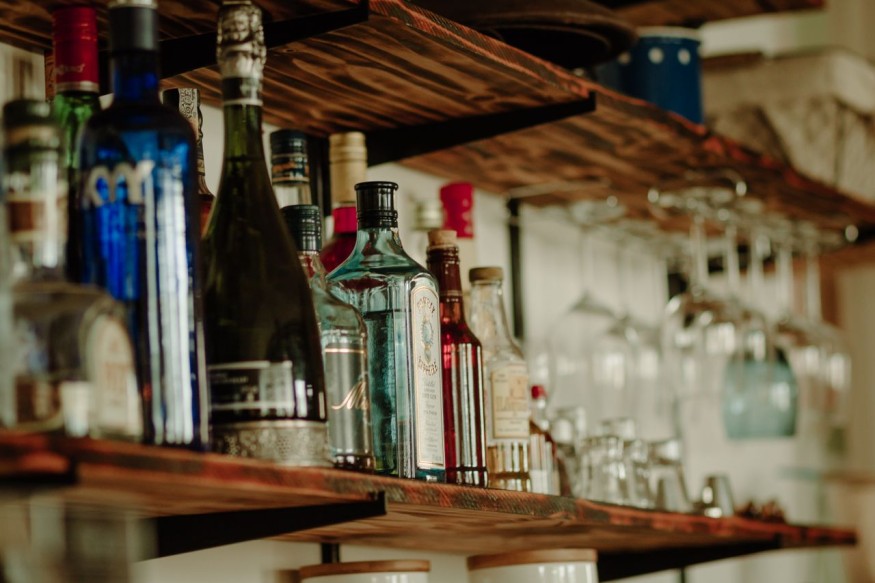
A well-designed home bar does more than hold bottles. It can become a focal point in a dining room, kitchen, living area, or entertaining space, which makes the choice between open shelving and enclosed storage an important design decision. Liquor cabinets create a polished, streamlined appearance, while open bar shelving turns bottles and glassware into part of the room's décor.
Neither option is automatically better. The right choice depends on the home's interior style, available space, collection size, and how the bar is used. In many well-planned spaces, a combination of both provides the most balanced approach to home bar storage. Designers frequently use open shelves for display and concealed cabinetry for items that are better kept out of sight.
What Is the Difference Between Open Shelving and Liquor Cabinets?
Open shelving keeps bottles, glasses, decanters, and bar accessories visible. This makes the collection part of the room's visual design and allows frequently used items to remain within easy reach.
Liquor cabinets, by contrast, conceal their contents behind doors or drawers. They provide a cleaner appearance and make it easier to hide bar tools, mixers, backup bottles, and other items that can make a display feel crowded.
The difference is therefore not simply about storage. It affects how the entire bar area looks and functions.
Is Open Bar Shelving Good for Liquor Storage?
For homeowners with an attractive bottle collection, open bar shelving can create an eye-catching display without making the space feel heavy. Floating wood shelves, glass shelves, or built-in shelving can complement everything from contemporary interiors to traditional home bars.
Open shelving also makes frequently used spirits and glassware easy to reach. However, the exposed design requires more attention to styling and cleaning. Too many bottles or mismatched accessories can quickly make the area appear cluttered.
The strongest open-shelf designs tend to treat bottles as décor rather than simply placing every available item on display.
What Are the Advantages of Liquor Cabinets?
Liquor cabinets are particularly useful when a homeowner wants the bar to look neat even when it is not being used. Doors conceal visual clutter while drawers and compartments can accommodate tools, mixers, linens, and extra glassware.
They can also create a more substantial, furniture-like appearance. Built-in cabinetry can be coordinated with surrounding millwork, while freestanding cabinets can introduce contrast and character.
Glass-front cabinets offer another option by keeping bottles visible while providing a more contained presentation. They can be especially effective when lighting is incorporated inside the cabinet.
Which Looks Better: Open Shelving or Cabinets?
The answer largely depends on the desired atmosphere.
Open shelving tends to suit interiors where an airy, relaxed, or curated look is the goal. It can make a compact bar feel visually lighter and allows attractive bottles and glassware to become decorative elements.
Cabinets tend to suit interiors where a refined, orderly, or integrated appearance is more important. They can make a home bar feel like a permanent architectural feature rather than a collection of individual storage pieces.
For homeowners unsure which direction to take, the surrounding room can provide the answer. A room already filled with patterns, accessories, or open displays may benefit from concealed storage. A minimalist room with plenty of visual breathing room may benefit from carefully styled shelving.
Is It Better to Have Open Shelves or Cabinets in a Home Bar?
The most practical choice depends on what needs to be stored. Open shelves work particularly well for attractive items used regularly, while cabinets are better for supplies that do not need to be displayed.
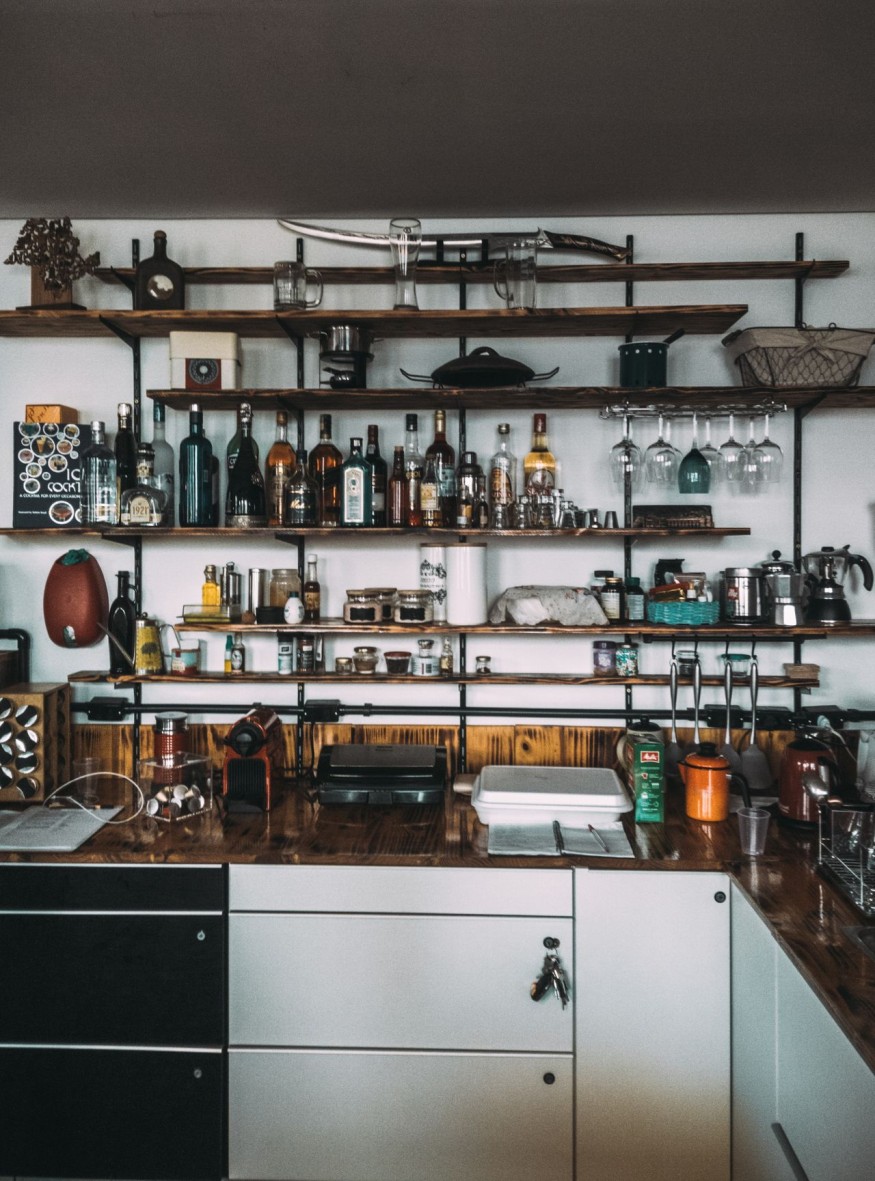
A mixed arrangement is often the most versatile solution. One home bar design, for example, can combine open shelving for bottles and glasses with lower cabinetry for barware and additional supplies. This approach provides both accessibility and visual control.
What Should Be Displayed and What Should Be Hidden?
- Open shelves: Favorite spirits, attractive decanters, cocktail glasses, and visually appealing barware.
- Cabinets: Backup bottles, mixers, cleaning supplies, napkins, and miscellaneous accessories.
- Glass-front cabinets: Collections that deserve visibility but benefit from a more contained presentation.
- Drawers: Cocktail tools, bottle openers, strainers, and smaller accessories.
- Lower cabinets: Larger or less decorative items that could make open shelving look crowded.
How Do You Organize Liquor on Open Shelves?
Organization becomes part of the design when bottles are exposed. Grouping spirits by type can make the collection easier to navigate, while varying bottle heights can create a more interesting composition.
Glassware can be positioned alongside the bottles, but the shelves should retain some empty space. Decorative objects can also be incorporated sparingly to give the display a residential rather than commercial feel.
Lighting is another important consideration. Integrated shelf lighting can emphasize bottles and glassware while adding warmth to the bar area.
How Do You Make a Liquor Cabinet Look Stylish?
A liquor cabinet does not have to disappear into the background. Its finish, hardware, doors, and interior lighting can make it a defining feature of the room.
Wood cabinetry can introduce warmth, while painted cabinetry can coordinate with the home's existing palette. Metal hardware can add contrast, and glass doors can soften the visual weight of solid cabinetry.
For a more architectural appearance, built-in liquor cabinets can be designed around the proportions of the wall, countertop, or surrounding cabinetry. This creates a cohesive look rather than making the bar feel like an unrelated piece of furniture.
Can Open Shelving and Cabinets Be Used Together?
Combining the two is often the strongest approach for home bar storage. Open shelving provides a place to showcase favorite bottles and glassware, while cabinets handle the less attractive practical necessities.
This arrangement also allows the homeowner to control the amount of visual activity in the room. A few carefully styled shelves can provide personality without requiring the entire collection to remain visible.
Contemporary home bar designs frequently use this layered approach, pairing open upper shelving with closed lower storage.
Which Home Bar Storage Option Works Best for Small Spaces?
Open shelving can be particularly useful in compact rooms because wall-mounted shelves occupy little visual and floor space. They can create storage without introducing a large block of cabinetry.
However, small spaces can also benefit from enclosed storage because clutter is more noticeable when there is less room. A narrow cabinet with a few open shelves above it can provide a practical compromise.
Ultimately, the best solution is the one that provides enough storage without overwhelming the room's proportions.
Open Shelving and Cabinets Can Both Make a Home Bar Look Better
There is no universal winner between liquor cabinets and open bar shelving. Open shelves are ideal when bottles and glassware are intended to become part of the décor, while cabinets provide a cleaner way to conceal everyday bar essentials.
For many interiors, the most successful solution combines both. Open shelving can create the visual interest, while closed cabinetry keeps the practical side of home bar storage organized. When materials, lighting, and proportions complement the surrounding room, either approach can make a home bar feel intentional, stylish, and genuinely useful.
Frequently Asked Questions
1. Are liquor cabinets better than open shelving?
Liquor cabinets are better for concealed storage and clutter control, while open shelving is better for displaying bottles and glassware. The choice depends on the home's style and how the bar is used.
2. Does open bar shelving make a home bar look bigger?
Open shelving can create a lighter visual effect because it does not form a solid block across the wall. This can be especially useful in smaller home bars.
3. How do you keep open liquor shelves from looking cluttered?
Limiting the number of displayed bottles, grouping similar items, varying heights, and leaving some empty shelf space can create a more intentional arrangement.
4. Can liquor cabinets and open shelving be combined?
Yes. Combining open shelves with enclosed cabinets provides a balance between display and concealed storage, making it one of the most versatile approaches to home bar design.


Dunn-Edwards' 2027 Color of the Year Is a Rich Brown With a Subtle Plum Undertone

6 Timeless Home Décor Choices That Will Still Look Good 10 Years From Now

Brise-Soleil Is Back: The Architectural Sun-Shading Feature Designers Are Using Again

How Breezeways Are Transforming Modern Homes With Air, Light and Outdoor Connection

IKEA's New Art Collection Turns Everyday Home Decor Into Affordable Designer Art


