The Best Way to Furnish a Small NYC Apartment Without Making It Feel Cramped
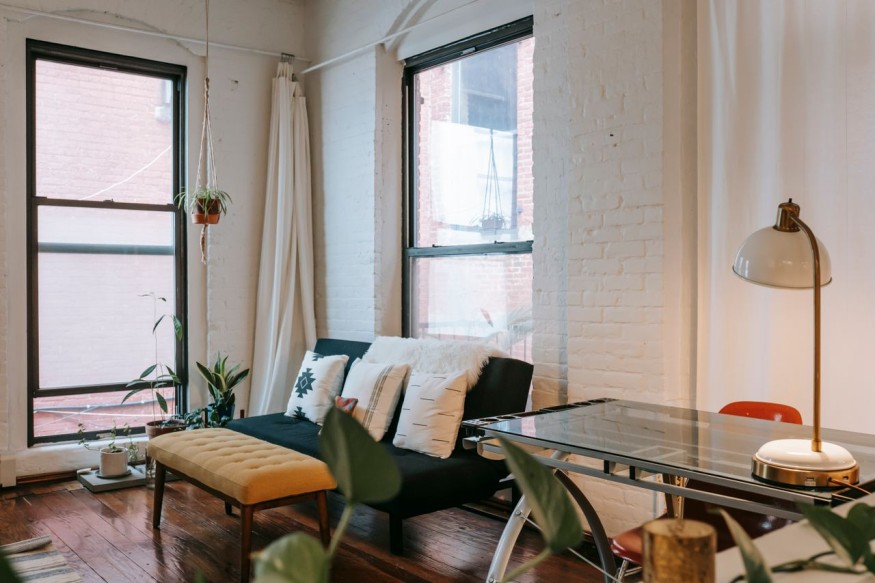
Furnishing a tiny New York City apartment is not simply a matter of finding smaller versions of everything you want. When square footage is limited, every piece of furniture affects how the apartment functions.
A sofa can determine whether you have enough room to walk comfortably. A dining table can consume the floor space you hoped to use as a work area. Even a seemingly harmless accent chair can make a small room feel crowded.
That is why designers tend to approach compact apartments differently. Instead of filling the space immediately, they focus on function, proportion, circulation, and flexibility.
One of the most useful pieces of advice is surprisingly simple: live in the apartment before buying everything. In a profile of a small New York apartment transformation, Frederic Magazine highlighted how designer Hudson Moore waited to experience the space before settling on the final layout and additional furniture purchases.
Here is how to apply that thinking to your own tiny NYC home.
Start With the Floor Plan, Not the Shopping Cart
Before buying furniture, measure the apartment. Record the dimensions of each room, the location of doors and windows, radiator positions, outlets, closets, and any other architectural features that affect where furniture can go.
Then create a basic floor plan. You do not need sophisticated design software. Even a simple sketch can help you understand how much usable floor space you actually have.
Mark the main walking paths first. You should be able to move naturally between the entryway, kitchen, bathroom, bedroom, and living areas without navigating an obstacle course. Only after establishing circulation should you start deciding where major furniture pieces belong.
Choose a Few Hardworking Pieces
Tiny apartments benefit from furniture that performs more than one job. A storage ottoman can function as seating, a footrest, and concealed storage. A dining table can double as a desk. A sleeper sofa can provide a guest bed without requiring a separate bedroom. A console can act as an entryway surface, workspace, or dining station depending on its dimensions and placement.
The important part is not buying every multifunctional product you can find. Too many clever pieces can actually make a small apartment feel overengineered.
Instead, identify the problems you need to solve and choose furniture accordingly. If you rarely host dinner parties, for example, you may not need a full-size dining table taking up permanent floor space.
Prioritize Vertical Space
When you cannot expand outward, look upward. Tall bookcases, cabinets, wardrobes, and shelving can provide considerably more storage without occupying the footprint of multiple low pieces.
Recent advice from Livingetc on small New York apartments similarly emphasizes vertical storage, including tall furniture that adds storage without spreading across the room.
Just be careful not to fill every wall from floor to ceiling. Tall storage is most effective when it is integrated into the room rather than making the space feel boxed in. If possible, choose pieces that are relatively narrow and visually simple.
Pay Attention to Furniture Proportion
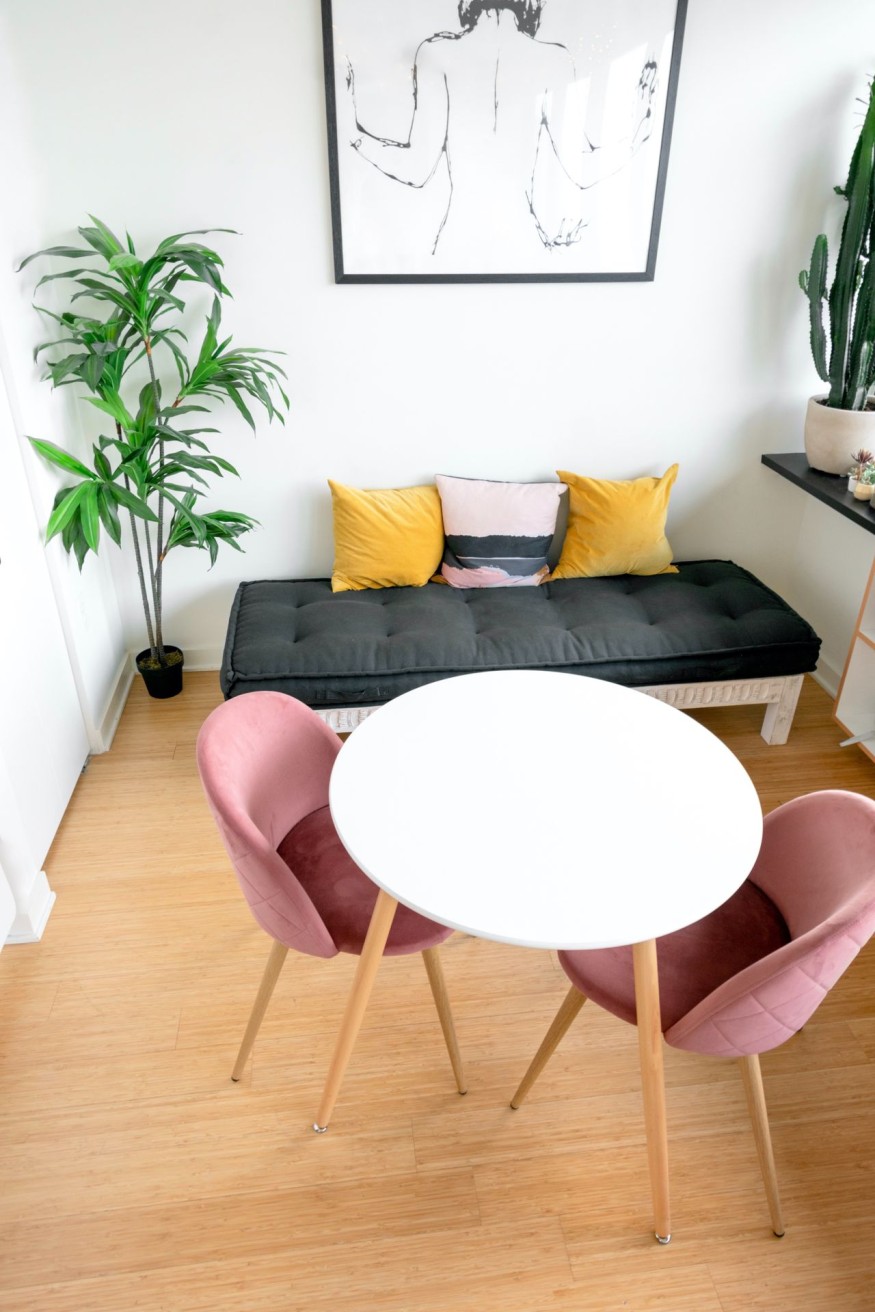
Small does not automatically mean appropriate. A tiny sofa may technically fit your apartment but provide very little usable seating. A bulky sectional may offer plenty of seating but overwhelm the room.
Proportion matters more than simply choosing the smallest available item. Measure the furniture before purchasing and compare its dimensions with the room. Consider depth as carefully as width. A sofa that is only slightly narrower than another model but several inches shallower may make a surprisingly large difference to the available floor area.
Furniture with visible legs can also help create a sense of openness. Architectural Digest recently highlighted how elevated furniture can help small rooms feel more expansive because more of the floor remains visually visible.
Leave Some Space Empty
One of the biggest mistakes in a tiny apartment is trying to use every available inch. That instinct is understandable. In a city where every square foot is valuable, empty space can feel wasteful.
But visually, empty space is what allows the furniture you do own to breathe. Instead of buying a chair because there is technically enough room for one, ask whether the chair improves the apartment. Instead of filling a wall with small shelves, consider whether one substantial piece would be more effective.
A compact home generally looks more sophisticated when its contents appear intentional rather than accumulated.
Furnish in Stages
You do not need to finish your apartment in one weekend. Start with the pieces you need most: a bed, sofa, dining or work surface, and essential storage. Live with them for a while.
You may discover that the side table you planned to buy is unnecessary, that your sofa works better against another wall, or that the space needs a narrow cabinet rather than another shelving unit.
This staged approach also helps prevent expensive mistakes. Your first apartment does not need to look like a finished showroom. It needs to work for the way you actually live.
Make the Apartment Feel Like Yours
Once the functional foundation is established, bring in personality through art, textiles, lighting, books, plants, and a few meaningful decorative objects.
A small apartment does not need to be bland to feel spacious. It simply benefits from editing. Choose pieces you genuinely love rather than filling surfaces because they look empty. Repeat materials or colors to create cohesion, and allow certain objects to become focal points.
The smartest tiny NYC apartment is not necessarily the one with the most ingenious furniture. It is the one where every major piece earns its place.
Frequently Asked Questions
1. What furniture should you buy first for a tiny NYC apartment?
Start with essential pieces such as a bed, sofa, dining or work surface, and necessary storage. Establish the layout before purchasing secondary furniture.
2. Should furniture in a small apartment be small?
Not always. Proportion matters more than simply choosing miniature furniture. One appropriately scaled piece can work better than several undersized pieces.
3. How can I make a tiny NYC apartment feel bigger?
Keep walking paths clear, use vertical storage, avoid overcrowding, choose furniture with appropriate proportions, and leave some visual breathing room.
4. Is multifunctional furniture worth it in a small apartment?
Yes, when it solves a genuine space problem. Prioritize pieces that combine functions you actually need rather than buying multifunctional furniture simply because it is marketed for small spaces.


Is Your Wall Paint Looking Dull? Here's Why It Happens and How to Bring Your Walls Back to Life

Inside Madrid's Brand-New F1 Circuit: The Designer Explains the Dramatic Ideas Behind the Madring

MAD's Lucas Museum Is Set to Open in Los Angeles on September 22

The Basement Is Getting a Design Makeover, and It's No Longer Just for Storage

French Windows Never Really Went Out of Style—Here's Why Designers Still Love Them


