How to Decorate a Home With Uneven or Asymmetrical Walls
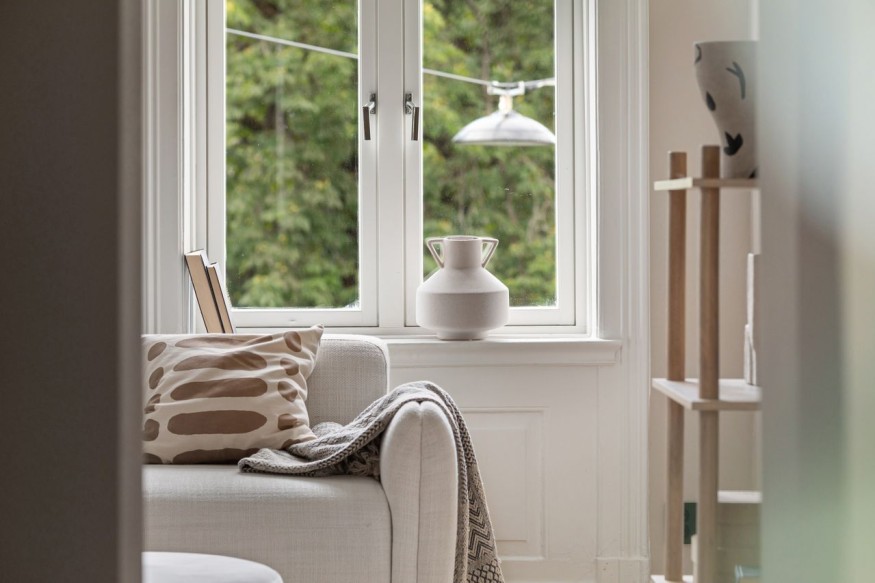
Uneven and asymmetrical walls can make furniture placement, artwork arrangement, and storage planning more challenging, but unusual architecture can also give a home its character. From sloping ceilings and angled corners to recessed alcoves and walls interrupted by windows, these features offer opportunities to create interiors that feel distinctive rather than awkward.
The key is to work with the room's existing proportions instead of forcing everything into a symmetrical arrangement. Thoughtful furniture placement, carefully scaled artwork, and intentional use of color can make irregular walls feel like part of a cohesive design.
Whether decorating an older property with unconventional architectural details or a contemporary home with dramatic angles, a few practical strategies can help make the most of the available space.
Understand the Wall Before Decorating
Before selecting furniture or hanging artwork, homeowners should identify what makes a wall difficult to decorate. An angled wall presents different challenges from one with an off-center window, an uneven surface, or an alcove that interrupts the available space.
Measuring the wall's height and width at several points can help establish where furniture will fit and whether standard shelving or cabinetry will work. It is also important to note the positions of electrical outlets, windows, doors, radiators, and architectural features that cannot easily be moved.
For sloping walls, the angle and height of the ceiling determine which pieces can fit comfortably underneath. Lower furniture, such as a bench, bed, or low-profile cabinet, may work better beneath a steep slope than a tall bookcase.
Use Furniture to Establish Visual Balance
Furniture placement can make an asymmetrical room feel intentional. Rather than automatically centering every piece against the wall, homeowners can use the room's function and existing architectural features to determine the most practical arrangement.
A sofa, for example, can be positioned in relation to a coffee table and seating area rather than the midpoint of an irregular wall. In a bedroom, the bed can become the primary anchor, with bedside tables and lighting arranged to create a balanced composition even when the surrounding architecture differs on either side.
Low-profile furniture is particularly useful beneath slanted ceilings. A low dresser, upholstered bench, or built-in storage unit can occupy space that might otherwise be difficult to use. In rooms with narrow alcoves, shallow shelving can provide storage without making the area feel cramped.
Make Artwork Work With Unusual Wall Shapes
Artwork does not always need to occupy the exact center of a wall. When a doorway, window, or architectural projection interrupts the surface, positioning a painting according to the usable space or the furniture beneath it can produce a more natural result.
A gallery wall is particularly effective on asymmetrical surfaces because several frames can be arranged as one visual composition. Mixing different frame sizes introduces flexibility, while consistent spacing and a shared color palette help maintain cohesion.
For a more structured appearance, homeowners can align the bottom edges of several frames or arrange artwork around a common centerline. A looser arrangement can work well in eclectic interiors, provided the overall grouping feels connected rather than scattered.
Sloping walls require additional consideration. Artwork may look distorted when placed at an extreme angle, so it can be better to position framed pieces on a nearby vertical surface. Where wall conditions permit, picture ledges can also provide a flexible way to display smaller works without committing to a complicated hanging arrangement.
Use Paint and Wallpaper to Highlight the Architecture
Color can change how uneven walls are perceived. Painting the walls and ceiling in the same shade can soften the visual distinction between surfaces, particularly in rooms with sloping ceilings or complicated angles.
Light neutrals can help small spaces feel more open, although darker colors can create an intimate atmosphere in rooms where the architecture already feels enclosed. Rather than assuming every unusual surface should be painted white, homeowners can consider the room's natural light, existing finishes, and intended mood.
An accent color can also draw attention to a recessed alcove or architectural projection. Painting an entire alcove in a contrasting shade gives it a defined identity, making it suitable for a reading nook, display area, or compact workspace.
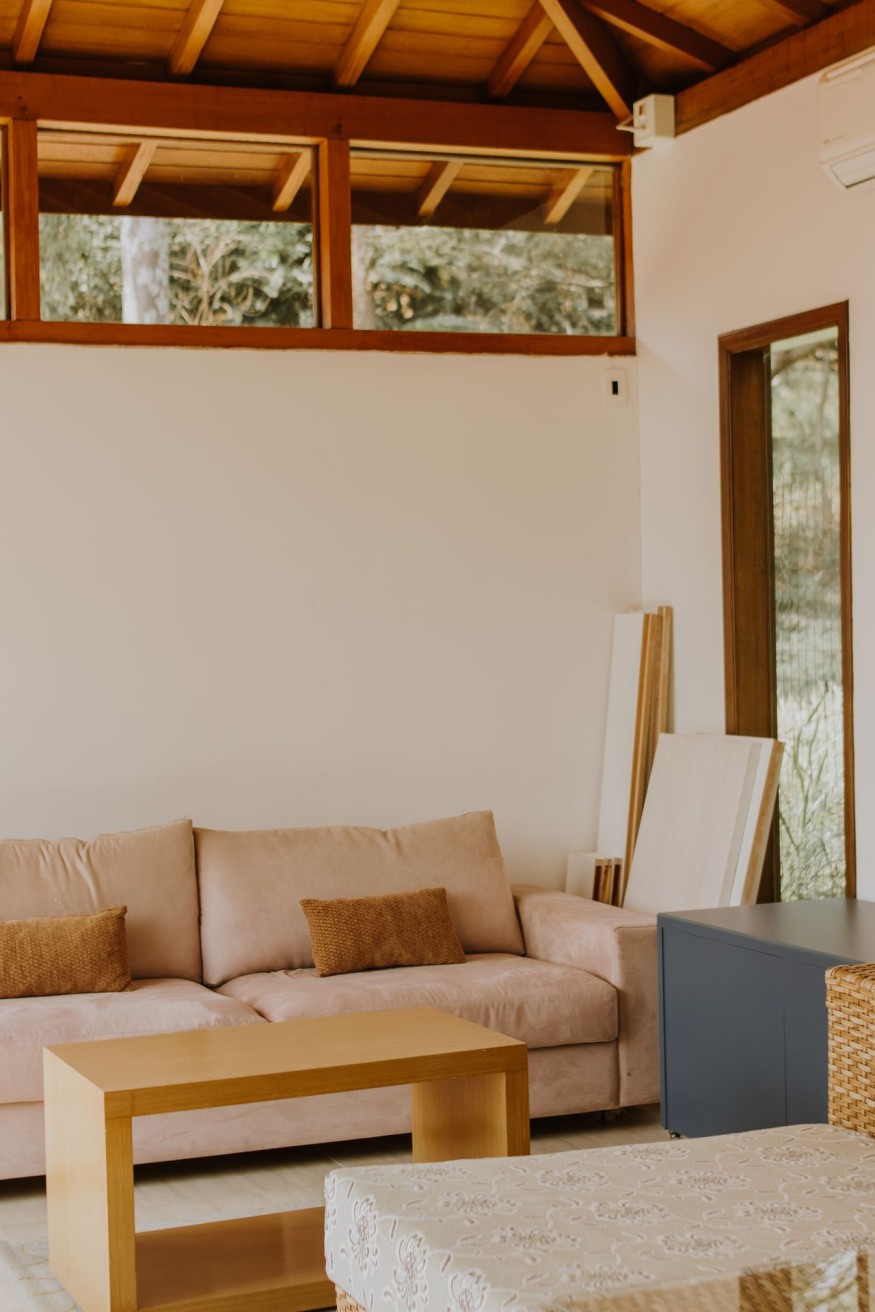
Choose Lighting That Complements the Room's Shape
Lighting can help an irregular room feel balanced by drawing attention to specific areas and reducing dark corners. Wall sconces, floor lamps, and table lamps can create layers of illumination without relying entirely on a central ceiling fixture.
In a room with sloping ceilings, carefully positioned lamps can illuminate lower areas that receive less natural light. Adjustable fixtures are useful when the ceiling angle limits where lighting can be installed.
For alcoves, a small wall light or concealed LED strip can make the recess feel purposeful. Lighting built into custom shelving can also highlight displayed objects while making storage areas easier to use.
Homeowners should consider how light interacts with wall finishes. Grazing light, which travels across a surface at a shallow angle, can emphasize texture and architectural details. However, it can also reveal imperfections in plaster or drywall. Surfaces should therefore be assessed before installing fixtures designed to highlight them.
Create a Cohesive Interior Around Asymmetrical Walls
Decorating uneven walls becomes easier when the room is approached as a whole rather than as a collection of isolated surfaces. Furniture, artwork, lighting, and color should work together to establish a clear visual hierarchy.
Not every wall needs a decorative treatment. Leaving one irregular surface relatively simple can give the room breathing space, particularly when another wall already features wallpaper, built-in shelving, or a substantial artwork.
Repeating materials and colors across different parts of the room can also help establish continuity. A wood finish used on shelving, for example, can be echoed in a coffee table or picture frames to connect separate areas.
Ultimately, asymmetry does not require every element to be different. A room can still feel balanced through repetition, scale, and carefully considered placement, even when its walls are far from perfectly uniform.
Frequently Asked Questions
1. How can artwork be arranged on an asymmetrical wall?
Artwork can be arranged around the usable portion of the wall, aligned with furniture, or grouped into a gallery arrangement. Consistent spacing and a shared color palette help make the display feel intentional.
2. What furniture works best beneath slanted walls?
Low-profile furniture, including benches, beds, low dressers, and built-in drawers, usually works well beneath sloping ceilings because it uses lower areas without obstructing circulation.
3. Should uneven walls be painted a light or dark color?
Both can work. Light shades can make compact rooms feel more open, while dark shades can create depth and emphasize architectural features. The best choice depends on natural light, room proportions, and the desired atmosphere.
4. Are custom cabinets worth considering for awkward walls?
Custom cabinets can be useful when standard furniture cannot fit properly. They maximize available space but should be planned around access, ventilation, maintenance, and budget.


Stefano Boeri Architetti Wins Competition for Loco Park, a Green Neighborhood in Tbilisi

Three Architecture Firms Win Competition for Cultural Hub in UNESCO-Listed Valle Camonica

IKEA's New Art Collection Turns Everyday Home Decor Into Affordable Designer Art

Sherwin-Williams's 2027 Color Forecast Unveils 48 Rich Colors to Refresh Your Home in 2027

Modern Kids' Rooms Are Changing: The Kids' Bedroom Ideas Designers Want Now


